It’s pointless to travel to save the world but there’s nothing wrong with setting an intention and identifying where the money of your trip goes.
The purpose of tourism should be the flurishing of a place and the legacy for future generations.
Introduction
I am conflicted about writing this. When I planned my trip to Tanzania, I wanted to find ways to support not just locals but local initiatives run by natives. Thus, none of what a simple internet search would give me would be a genuine lead. There is no word choice that would skilfully dodge the work of the SEO team of any of the first world travel companies offering a fabricated purchasable “authentic” experience.
Travelling used to be about discovering a place, a culture, people, a new outlook on life, wealth, success, nature, learning something new about oneself… But you are confronted with already discovered places and experiences designed for the consumption of tourists, a manufactured bucket list of must sees and must dos. We end up with disappointing massified places with long queues where tourists’ needs are anticipated, and the comforts from back home reproduced. In this context, the purpose of travel, to me, is lost. The means by which we meet locals is in isolation of their way of life and in spaces where the tourist’s relationship with the host is strictly hierarchical. But how can I ever share the off the list, off the route experiences I have had abroad without somehow contributing to this fabrication? So I am conflicted about writing this despite the lack of transcendence of this post.
On the one hand I want to support locally led initiatives like Mulala Cultural Tourism because I want to help fund their project whichever way they think they can best help their community. I also want to avoid taking part in popularising this kind of tourism and turning something pure into something that can be capitalised on with the right investment and bridges to first world countries. And thus, end up giving money back to wealthy countries while massaging our own ego telling us we are doing a good deed and perpetuating a postcolonial relationship “guiding” people in other countries how to progress.
However, on the other hand, I am aware that there is no financial transparency in initiatives such as Mulala Cultural Tourism and that, as much as I dislike first world profiting off ‘authentic’ and/or ‘ethical’, ‘sustainable’ experiences, they may be obligated to offer more accurate clarity over how each penny is spent and the improvements offered each year as well as their plans for the future.
But, even if the family I give my money to does not directly invest it in the community but on themselves, isn’t that still more ethical? Even if no taxes are paid from it? That money can’t change the world or that community but there is nothing wrong with setting up a purpose when travelling or at least wonder where the money of your trip is going.
The funds donated to Mulala Cultural Tourism may very well be invested in the education of the children in the family first but in turn that education can build a bridge in that community with people abroad to support their project without intermediates. And so the experience is about the host first and foremost while offering the visitor the chance to discover something truly unique. An exchange where tourism has the purpose to build trust, put faces to cultures and discover something genuinely new without altering the economy of the place. Preventing at all costs making a community dependent on tourism without the tools to sustain that industry sovereignly. Foreign investment if not aimed at regenerating and embracing the customs, environment, culture and wellbeing of residents, can perpetuate a hierarchical relationship expropriating autochthonous areas from its ancestral inhabitants and their history, the true value of that land.
How I found Mulala Cultural Tourism
It is hard to avoid starting a holiday without searching for something like ‘top 10…’, ‘must visit…’ or ‘best sunset spots’… While some research is always essential in my opinion, this cannot solely be followed by chasing a perfect picture we have seen a million times in its most perfect light of the year and in perfect isolation. When we then encounter a place crowded with other tourists queueing to take that perfect picture they’ve seen many times before, we feel disappointed.
The expansion of the growing industry of tourism illustrates very well how the desires and aspirations we seek are designed to be purchasable, consumed. The world has become a checklist of things to do, places to visit, experiences we ‘must’ amass. So those experiences we should cherish now perish from their instant obsolescence while the value of those places is suddenly at the mercy of the number of visitors seeking to reproduce that photograph of dreamy isolation we are sold. But the matter of fact is that, usually, as soon as some place appears in Lonely Planet, Time Out or some list that an SEO team has placed top on the Google search, is probably gentrified as you are reading the article.
While the idea of simply flying with no return ticket and set plan is exciting, I wanted to do some research before my trip and start communication with locals months prior to my flight. It was a priority for me that my time in the country was as much a contribution to residents. To my surprise, a lot of the initiatives I found that seemed very much locally owned and run had banking details based in Europe. On the one hand, I think it is important to have this conversation and raise awareness about who we are profiting during our time abroad. But, on the other hand, I fear initiatives such as Mulala Cultural Tourism can become so attractive that foreign investors choose to capitalise on it and fabricate experiences that don’t contribute to the community.
As I investigated each national park, wildlife migration, transport, the cultures and languages of tribes, I failed to find good leads to find a genuine way to contribute without intermediates on Google. So I bought a RoughGuides book on Tanzania. Amongst the more than 500 pages of content I learned about Cultural Tourism Tanzania established in response to a request from Longido’s Maasai community in 1995 to stimulate tourism that would benefit them directly. Like most ground-breaking ideas towards sustainable solutions, this one is as simple as going back to basics. You connect directly with a community, they show you their lifestyle, their environment, history, conflicts, struggles, language and identity without altering their way of life. It’s an intimate and immersive form of connecting with locals and having the chance to support them directly or any community-led projects.
Via tanzaniaculturaltourism.com I found out about several different projects operating through the northern national parks and more specifically in the municipality of Arusha. This website is currently suspended but was operational when I did my research. The website was not clearly designed by a specialised SEO and web design team and most of the links to projects ended up being websites to other kinds of services such as electronic repairs or mechanics. I emailed everyone whose projects were on the webpage. Used to dealing with top search websites, these seemed rather suspicious. Is it possible that we trust the organisation behind a website more the better the design is? If we want to support a place with less resources, does it not make more sense that those websites would indeed look more basic?
Some of the emails facilitated didn’t work and others never responded. While at the time it seemed dodgy or that I was chasing dead leads, it was simply a reminder of how used we are to corporate customer service with teams dedicated solely to answer enquiries promptly to keep us interested in hiring their services. This is a completely different situation, I was after ‘authenticity’ so no marketing team, no SEO specialist to put it on top of your online search, no customer service answering phone calls five to six days a week, no automatic email response thanking you for your interest and assuring a response within 48h. This is a community of people, living their lives, making a living and running this on the side for extra income whenever someone finds them. This is how I finally found Mulala Cultural Tourism, without a doubt the best part of my time in Tanzania.
Arriving to Mulala
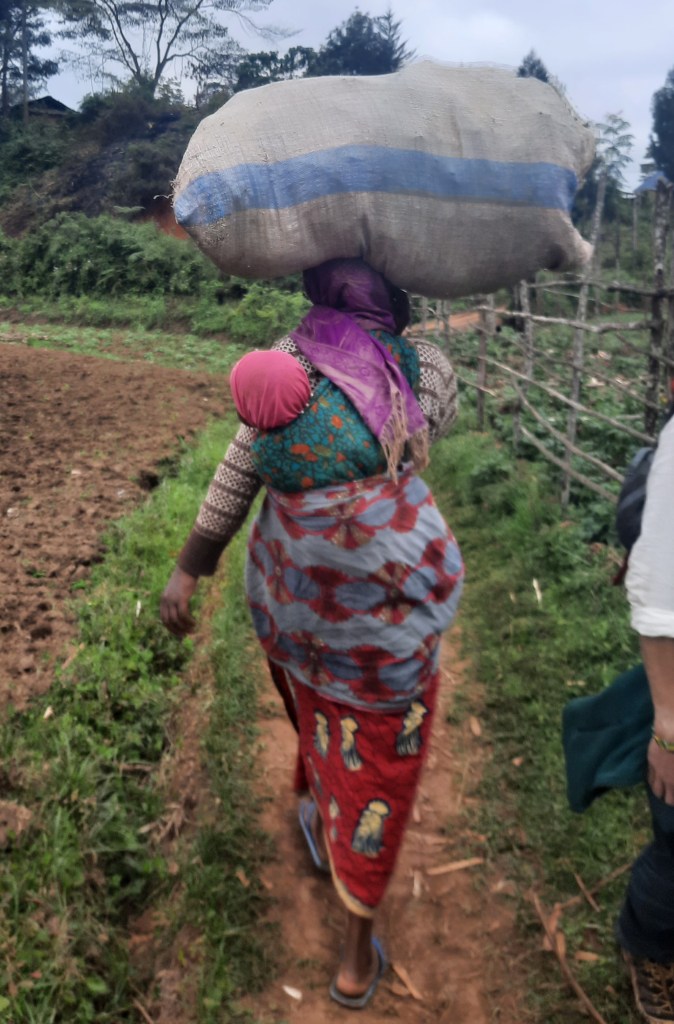
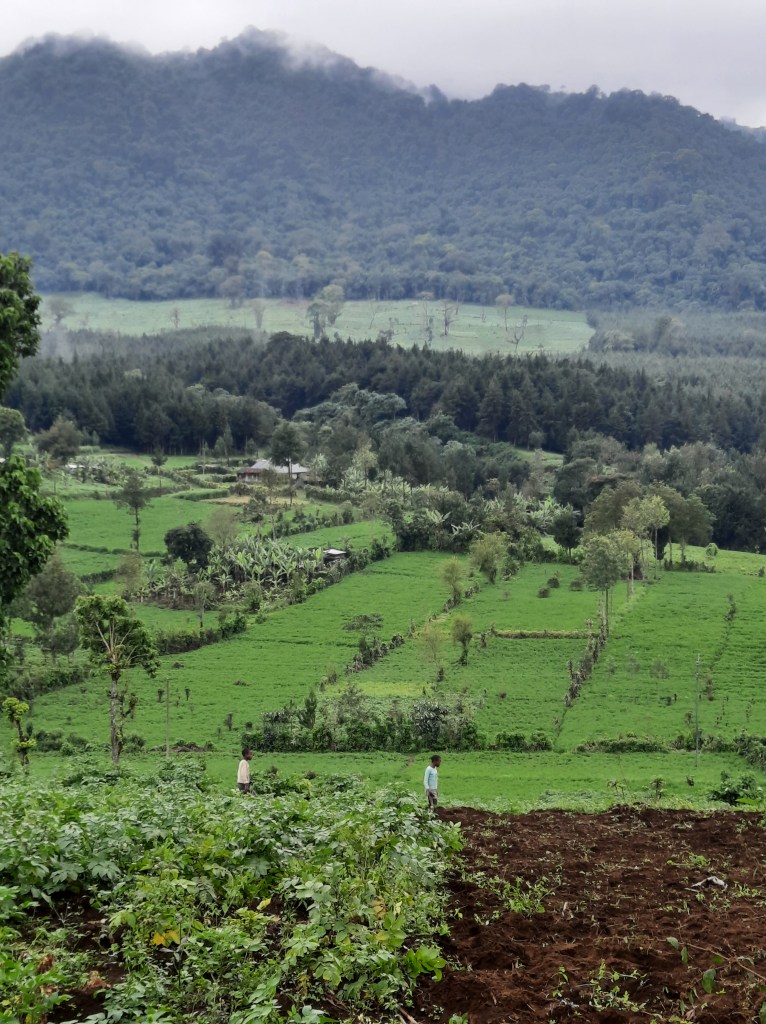
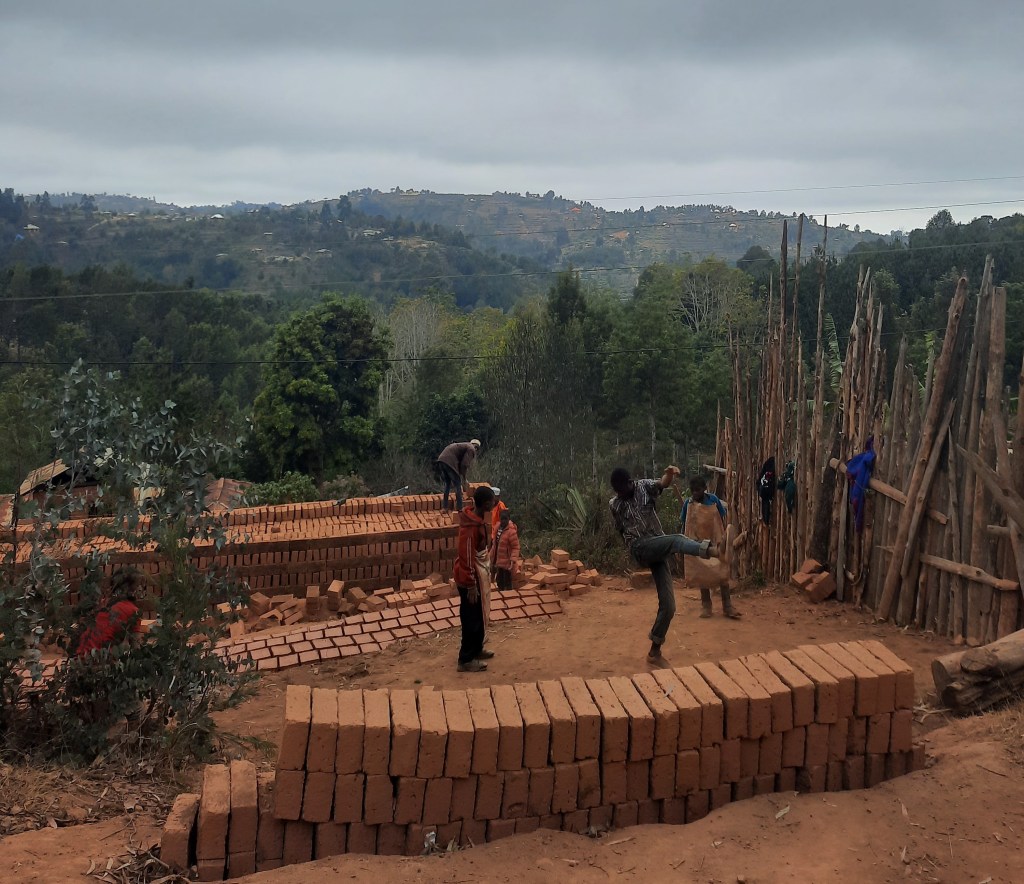
Mulala Cultural Tourism is one of the projects funded by the Agape Women Group to enable ways to support the local economy of the community in Mulala, a village on the slopes of Mount Meru (4,556m of altitude) rising above 1600m above sea level. Despite the proximity to the third largest city in the country, Mulala is very isolated. The path to the village is unpaved and extremely uneven and only motorbikes can avoid the bumps yet it still takes nearly an hour to drive the distance to the main road.
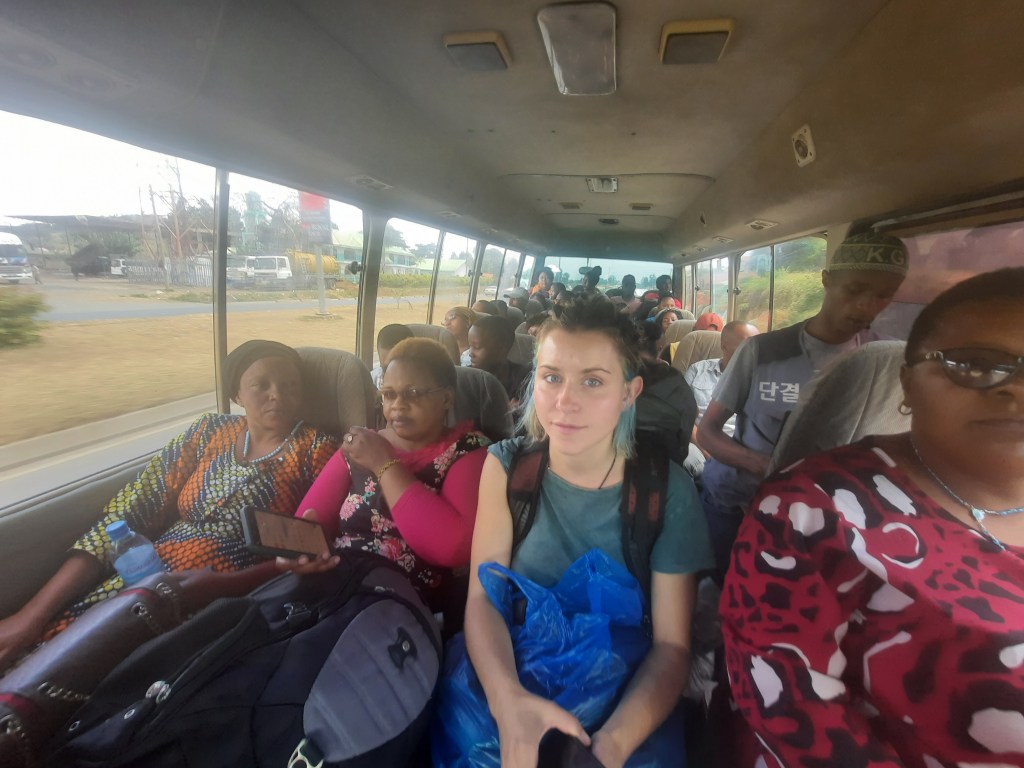
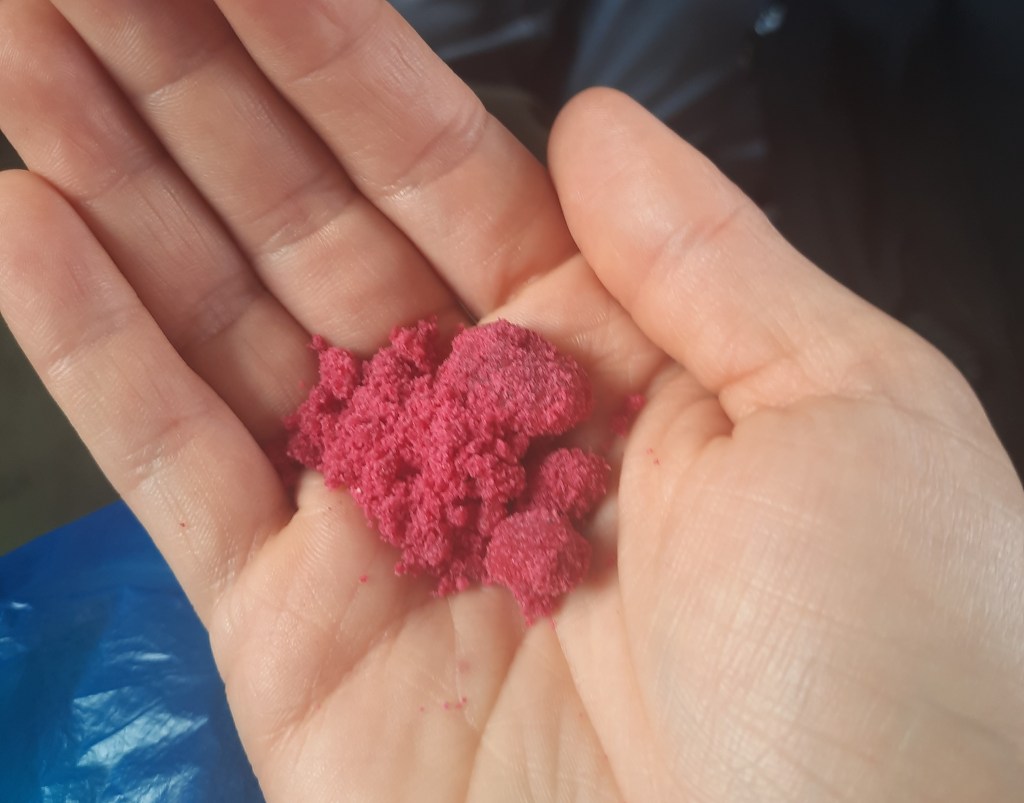
We took a bus from Karatu to Arusha, then a very small and tight bus to Liganga. Buses over there don’t leave until it is completely full and completely full is a completely different notion than in Europe. But Tanzanians are very friendly, and I felt safe at all times (note I didn’t visit the capital, Dar Es Salaam). City buses in Africa are indeed tight so it’s worth trying to interact with other passengers while you wait for the bus to be overflowing enough for the driver to consider it is ready to start the engine. We always had snacks on us and it was usually a good way to break the ice, in exchange we got offered fruits and sweets I would not be able to describe that I would have completely missed if it wasn’t for those interactions.
By the time we got to Liganga, the whole bus knew the two ‘wazungu’ were getting off and so they yelled the name of the stop and made space for us to get off the vehicle and waved us goodbye. We had lingered in Arusha too long and we were behind schedule with no way to let the family know about our delay as signal was extremely poor. Walking up to Mulala would take us more than two hours and it was getting dark, so we decided to get a taxi. It doesn’t take much for a ‘mzungu’ to find someone offering a lift. We asked every taxi driver about the location of Mulala Cultural Tourism but nobody had ever heard of it. We found a taxi driver that agreed to take us despite his confusion as to why we wanted to go somewhere nobody knew. The drive was hard on the car and we could tell the taxi driver regretted it but we made it there.
Mulala, Mama Anna and her family
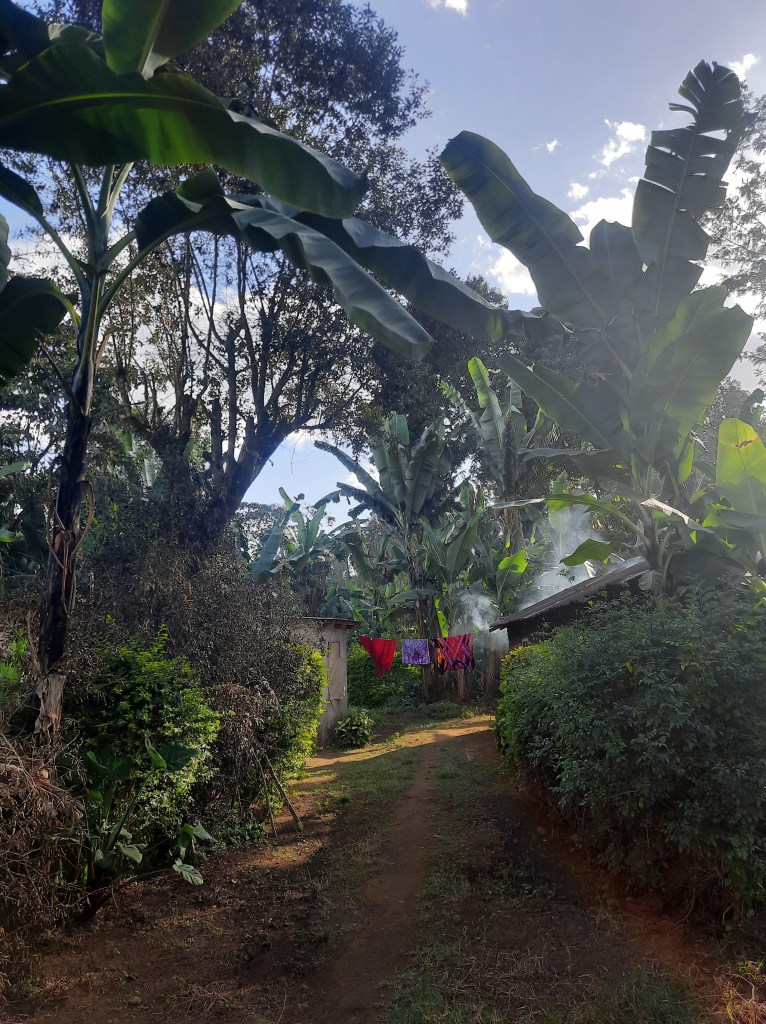
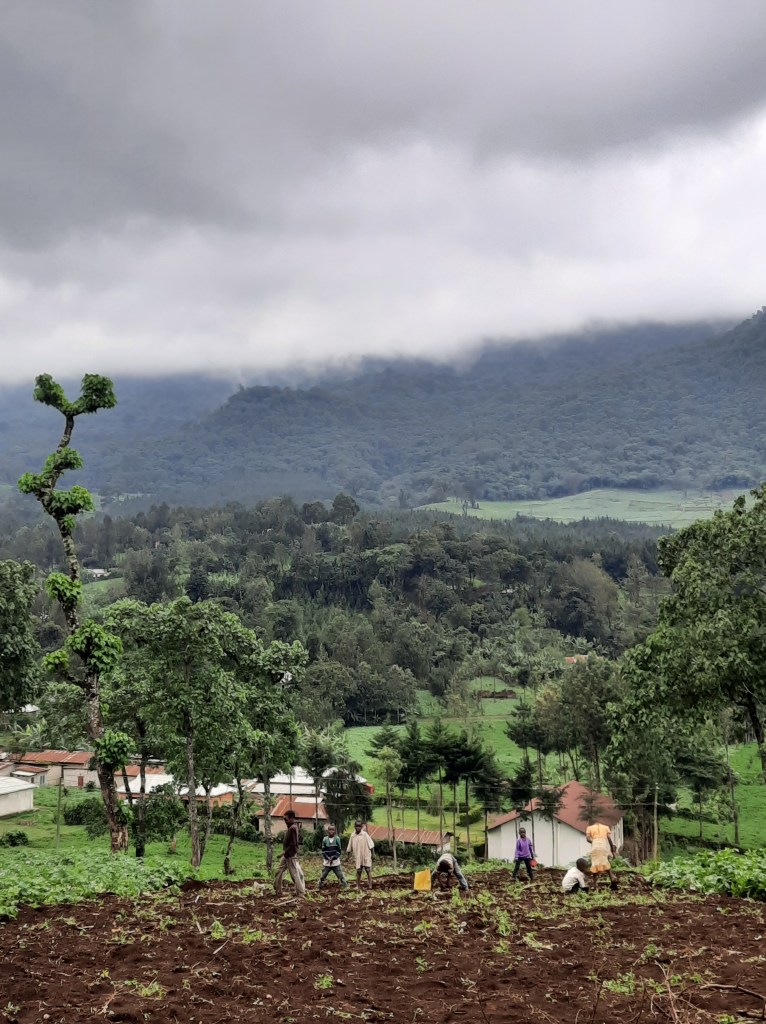
After a long day commuting in the heat of tight busses from the hot, dry and orange Karatu to the busy city of Arusha, we made it to green, cold, humid and foggy Mulala. The village is up the slopes of Mount Meru and overlooking Mount Kilimanjaro on a clear day (which we were only lucky enough to witness the peak looming over the clouds for only a couple of minutes before the fog took over the view).
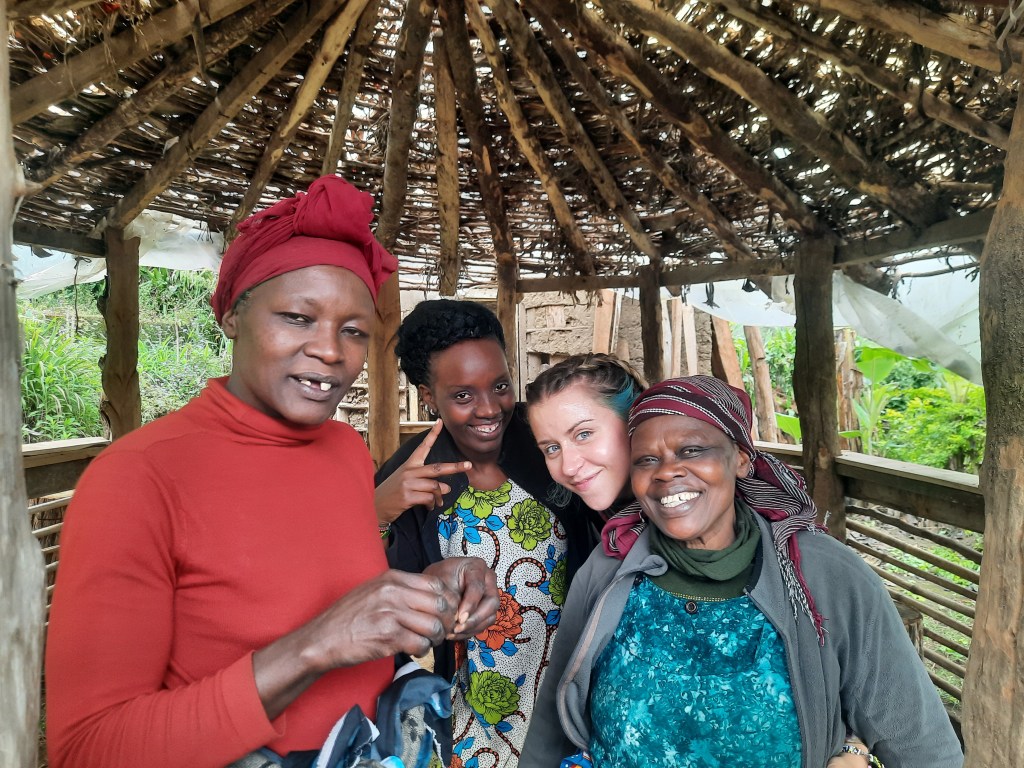
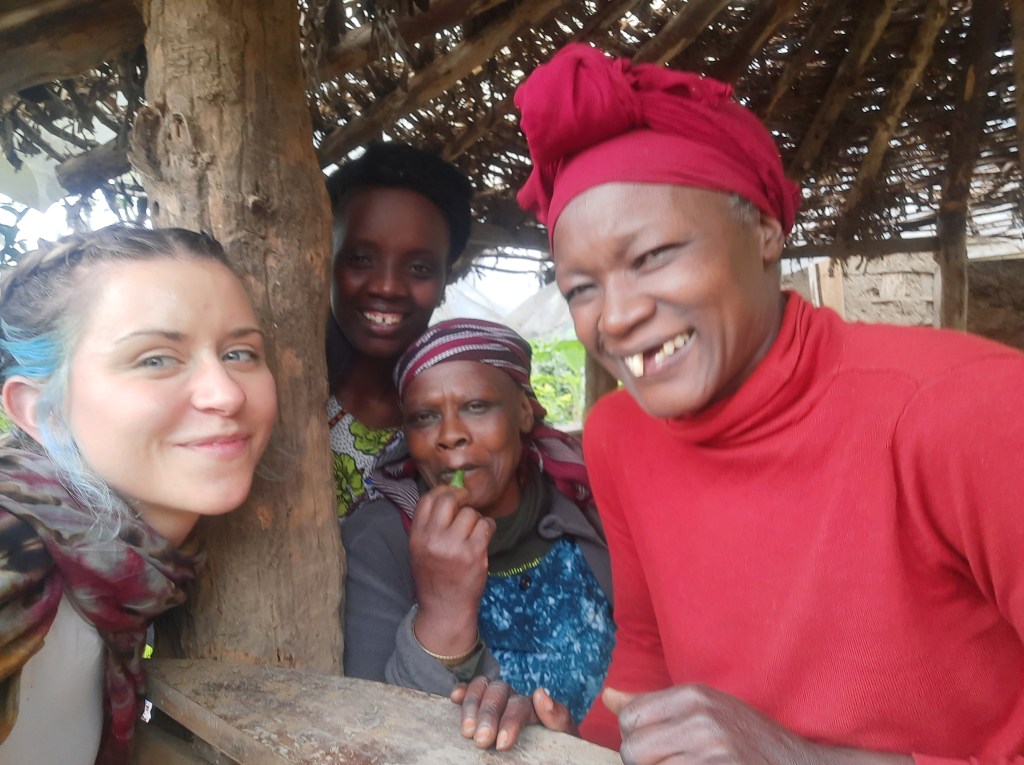
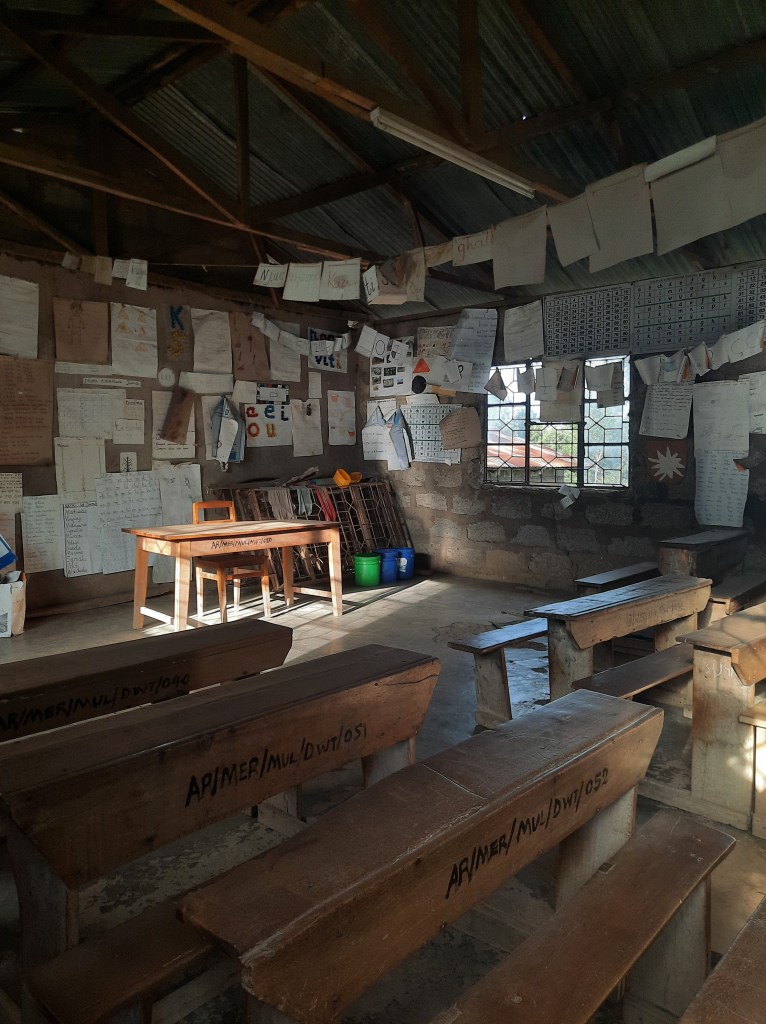
We were enthusiastically received by the whole family and children of the Pallangyo family with hot tea and homegrown and roasted coffee. We were welcomed by Mama Anna’s two eldest grandsons, Bryan 11 and Justin 29. Bryan spoke excellent English thanks to the education he was receiving partly funded by the programme founded by his grandmother. Bryan told us the story of how the collective of women had learned the process of making different cheeses, collect honey and imported sustainable ideas to improve the farming techniques of the people in the village. He told us about how the bridge they had established with tourists had allowed them to boost their home and in turn, expand it to host teachers as they invested in growing and improving the infrastructure of the school.
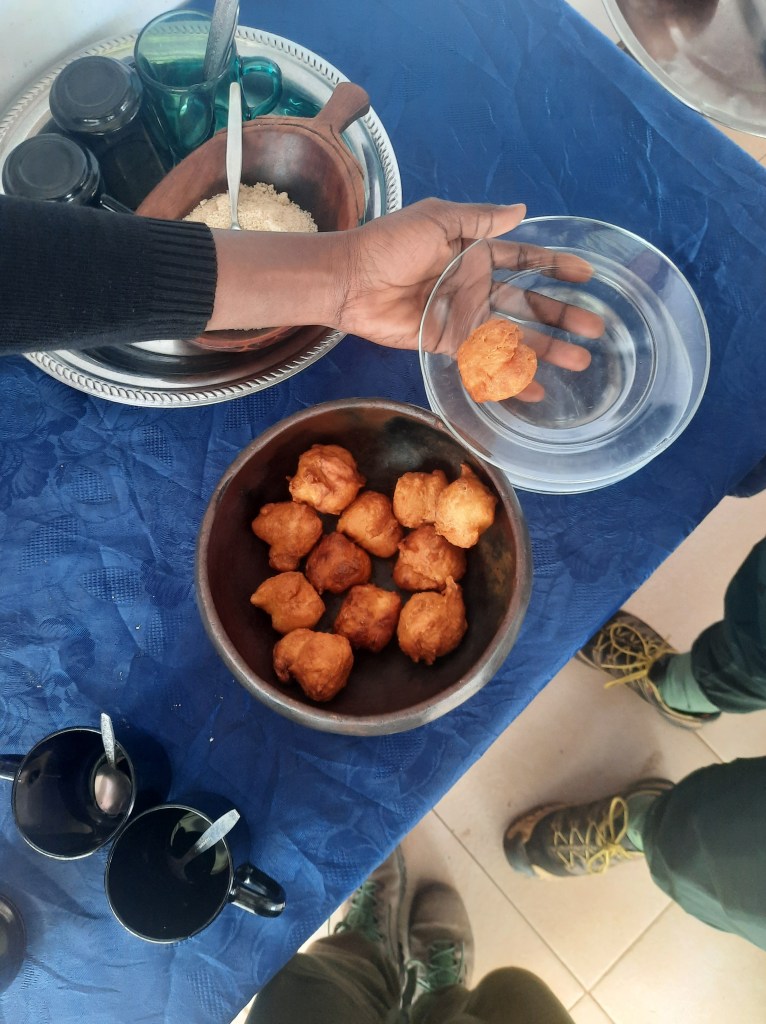
We spent a few days living with the Pallangyo family, during that time we only drank hot beverages and their home grown coffee which kept us warm throughout the day. We had breakfast, lunch and dinner with the whole family in the living room. They cooked a variety of plates for each meal, all made with ingredients cultivated in Mulala and therefore mostly vegan as opposed to the meat we had been offered in our Safari experience. Every plate was a new experience of food we had never seen before or after. Over each meal we exchanged stories, they asked us questions about our family, our home, our work, our travels, our relationships and our plans for the future. We asked them questions about Tanzania, their government, education, climbing mount Meru, seasonal fruits, relationship with the Maasai, Meru language and dreams for the future through Bryan who translated it all.

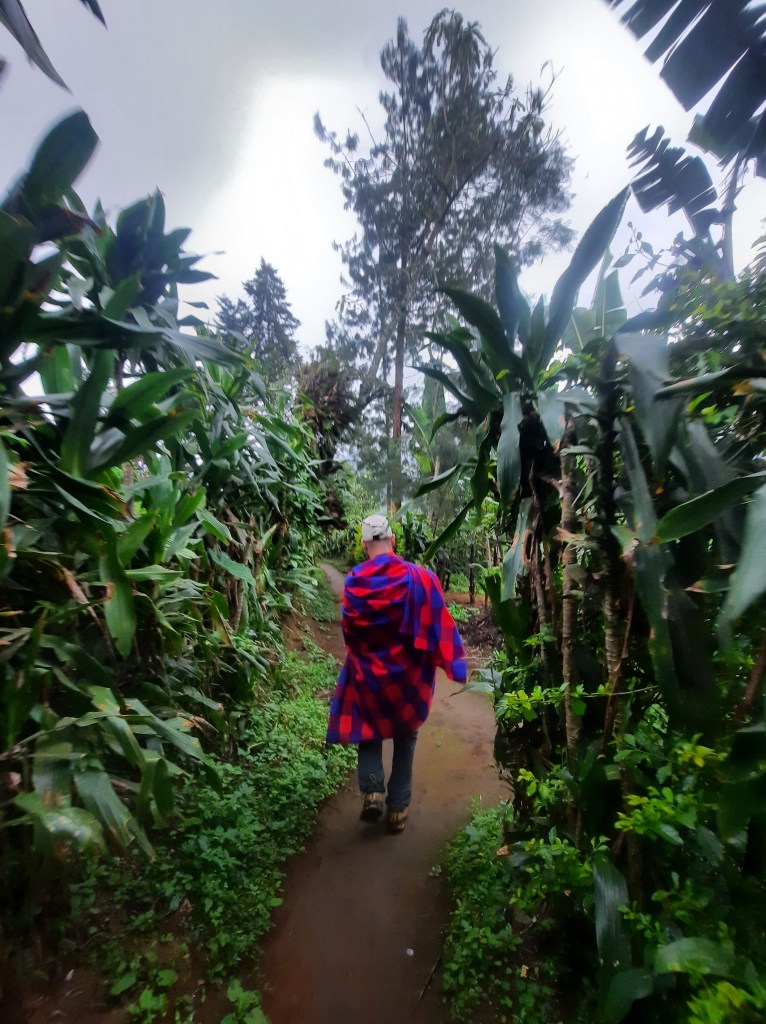
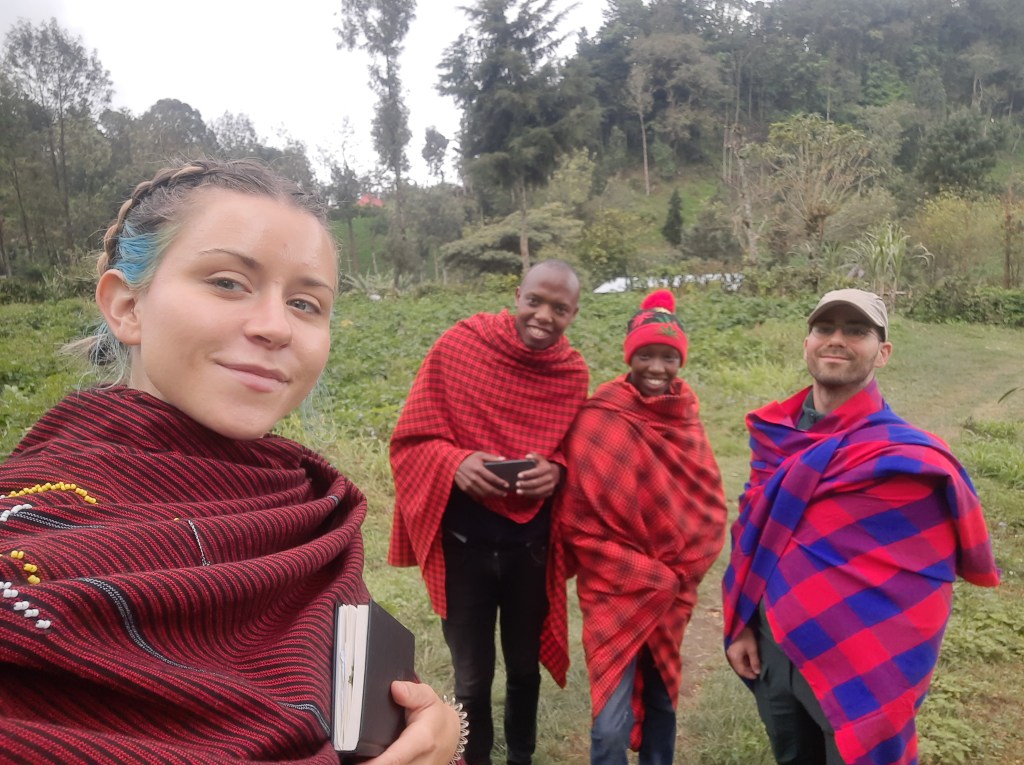
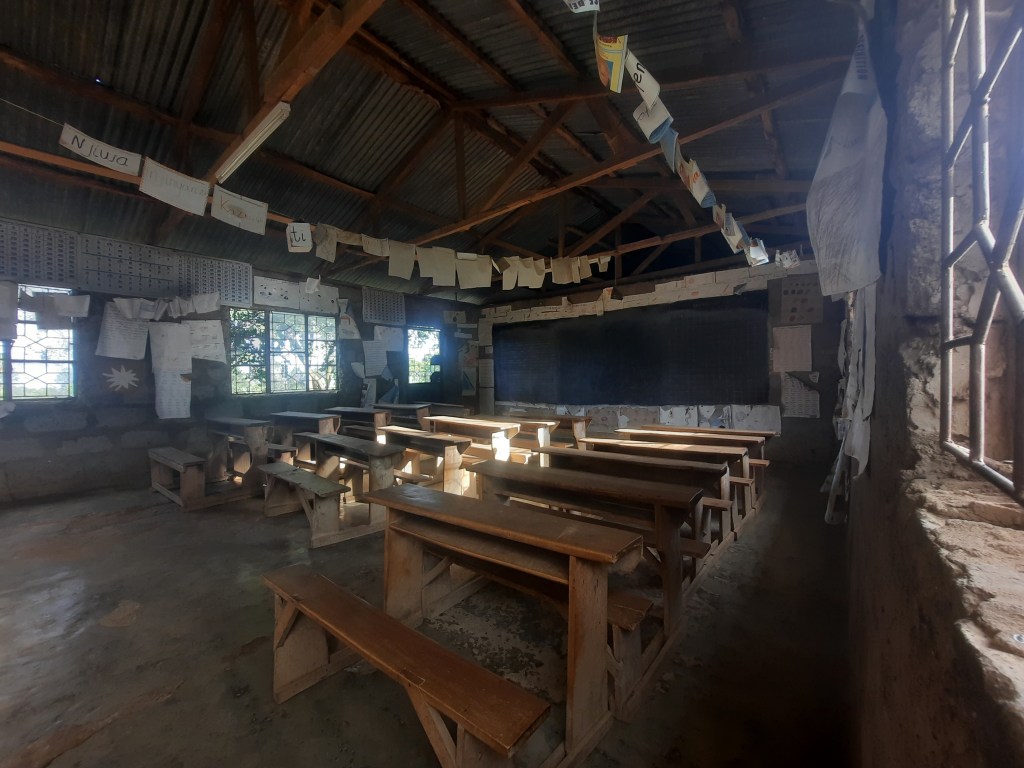
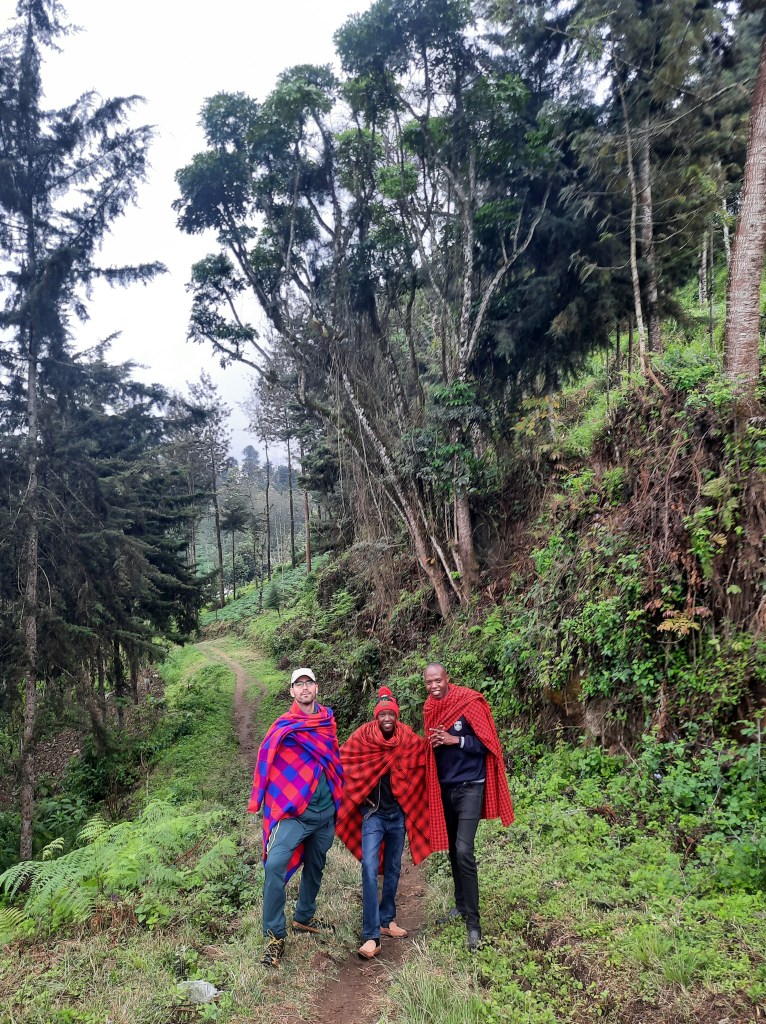
Justin and Bryan took us for a foraging hike around the village. They told us about the medicinal properties of each plant, how they prepare it and what remained mostly a mystical belief. They dressed us with ‘shuka’ cloth to keep us warm and told us how and why the female clothings are decorate differently. With our little knowledge of Meru language, we greeted everyone we saw as we explored the fields of the village. People were pleasantly surprised we would be able to respond to basic communication and made a real difference to the inevitable attention our presence attracted anyway. We learned about their cultives, their seasonal crops and they showed us the school and introduced us to some of the children doing their homework after classes finished.
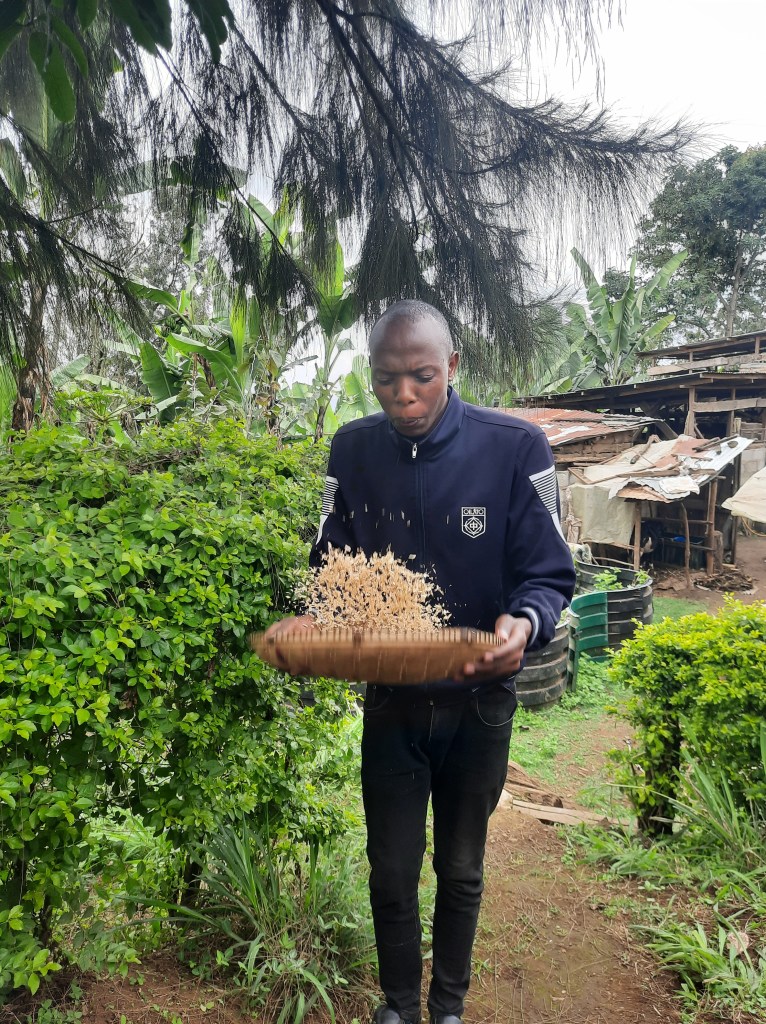
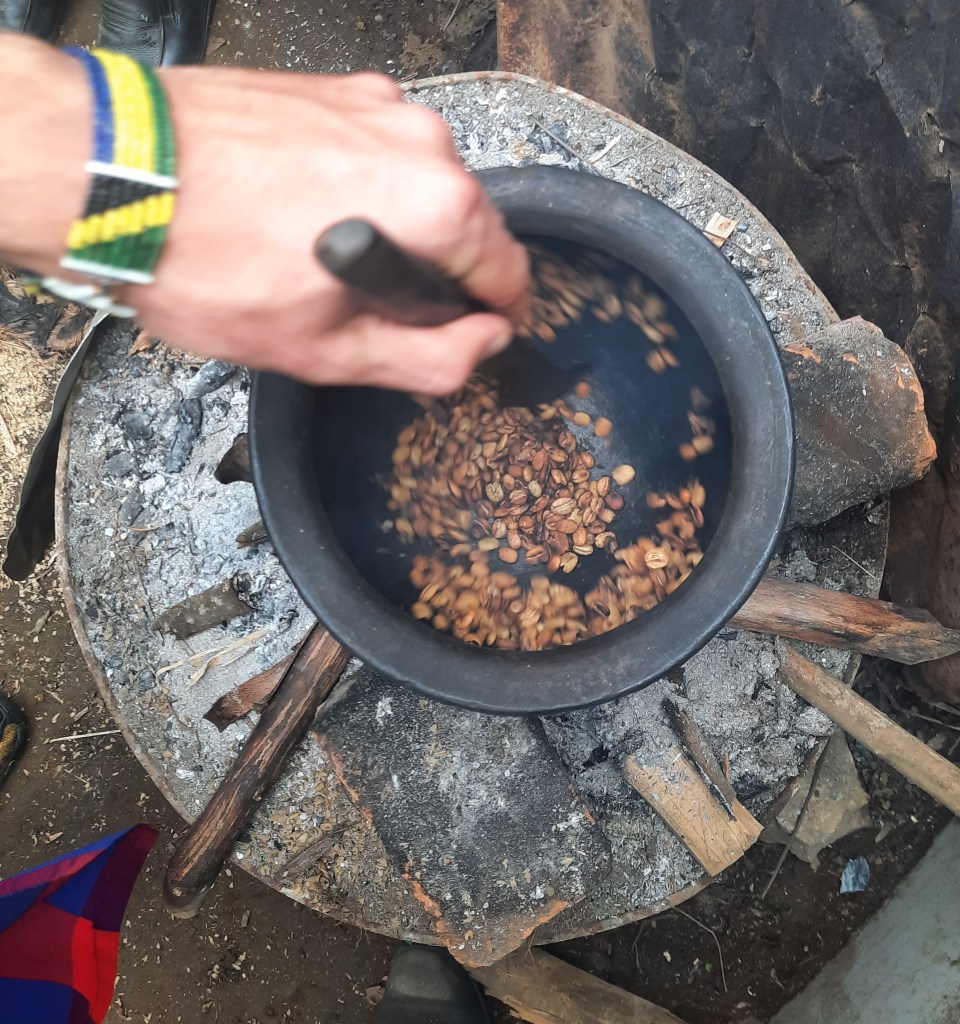
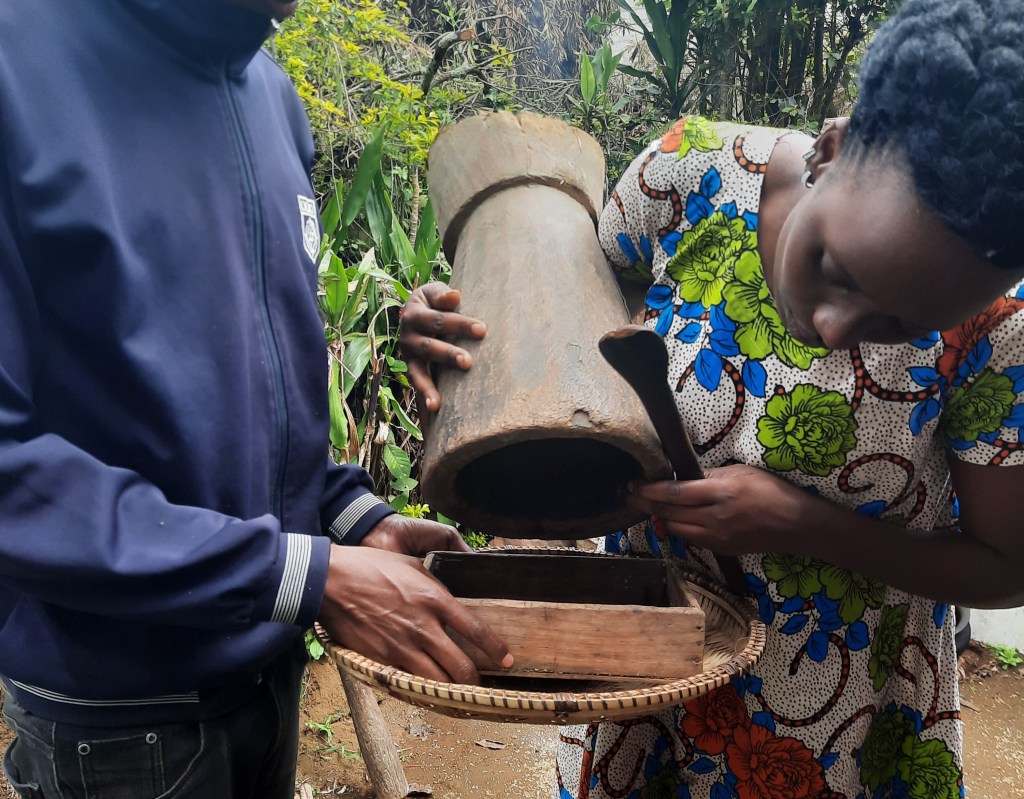
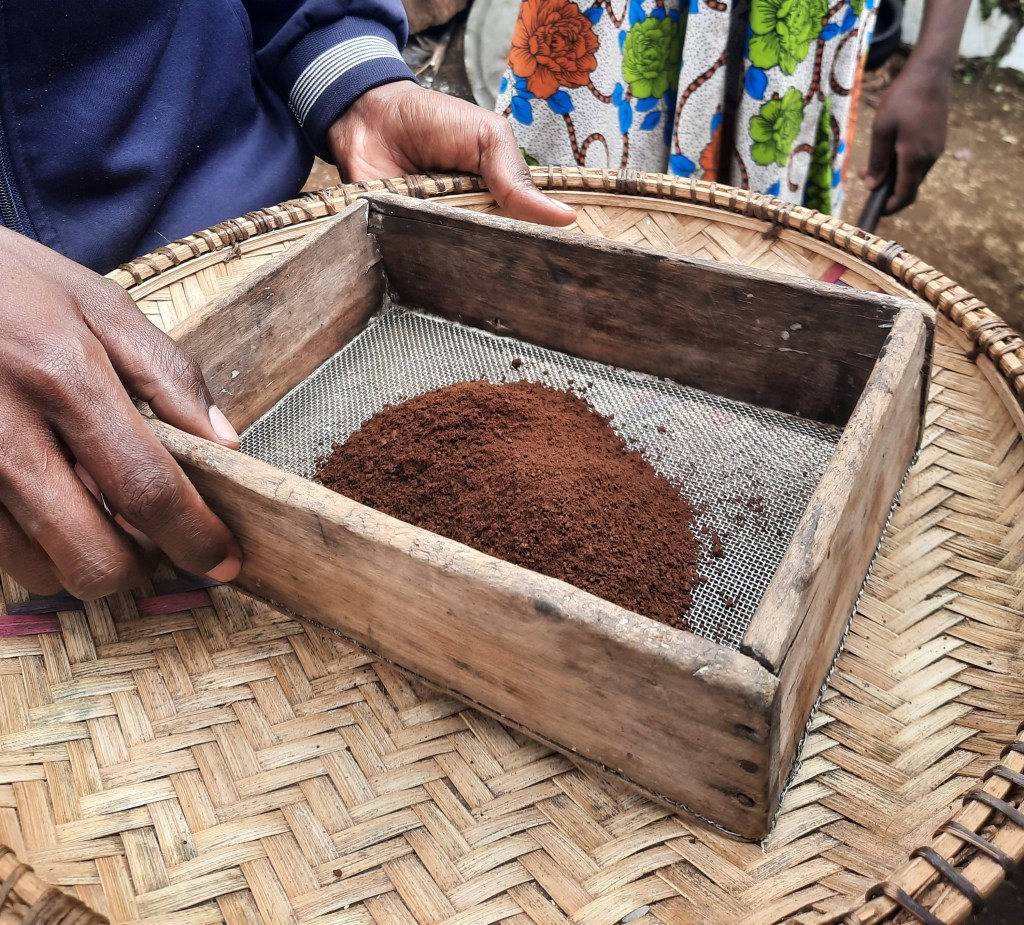
Back in the Pallangyo home, we made coffee from scratch. In Tanzania, two types of coffee are grown, Robusta and Arabica. Row beans are covered by a hard skin between green and red. Inside they are white and covered by a sweet layer. After sunroasting them for three days, the fun process starts. The process to grind coffee beans with the mortar is tiring so the family gathers together to do it and sing and dance cheering the person with the large wooden mortar. We all took turns to break the beans to then separate skilfully separate the shells. In the picture below is Justin flippin the beans on this plate in a way that the skin falls out but the beans remain on the plate. The beans were then roasted until they turned black and finally resemble the coffee beans we have all see in Europe. We then all took turns to grind them with the heavy wooden mortar, filtered the powder and boiled it with water. To serve it, the coffee is filtered again with a little colander.

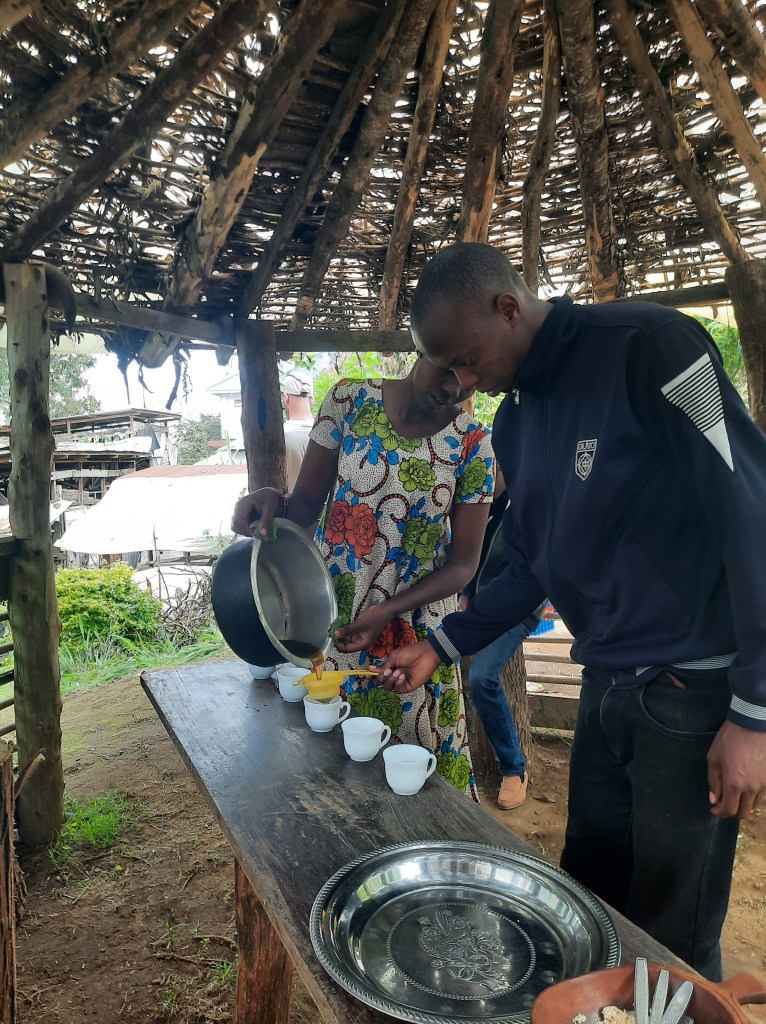
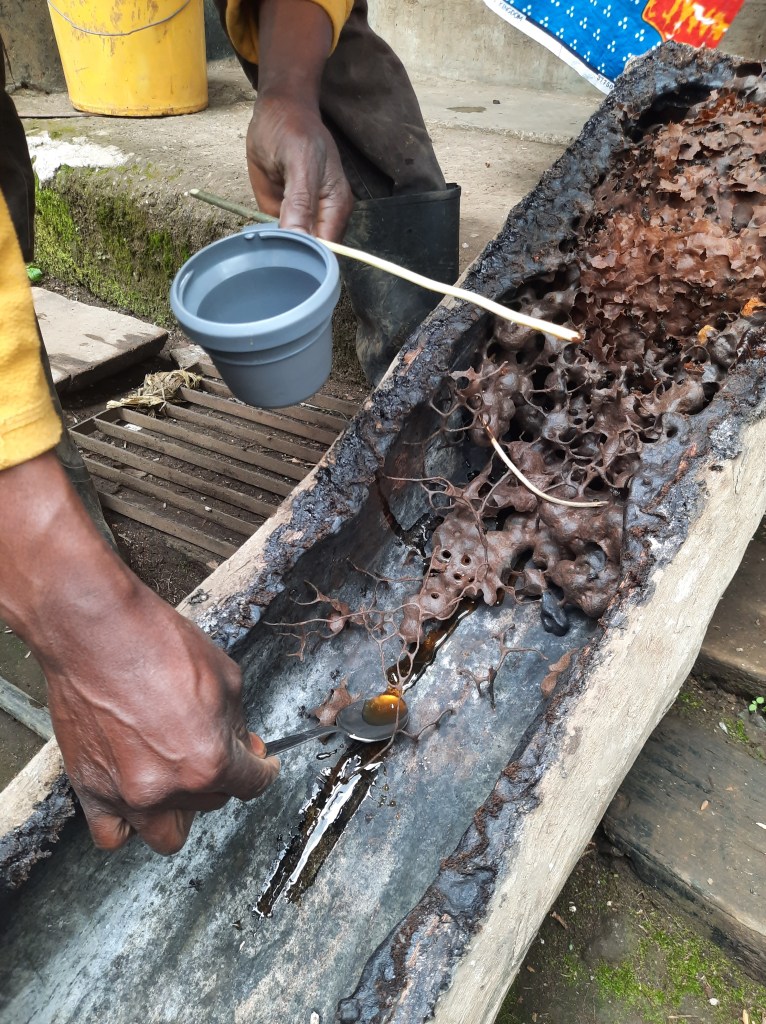
The family showed us the different types of cheeses they produce and they explained us how they make them. And they revealed us how these very unique stingless bees nest inside a log which the family opened for us. Inside the the structure of the hive is comepletely different to the hexagonal we had seen before in Europe. Instead this one presented a very dark color, irregular shapes and dry texture. With a stick, they would break one of the spheroids and the honey would slip away. Before closing the log again, they dust the ramaining honey with flour to prevent bees from getting stuck in it.
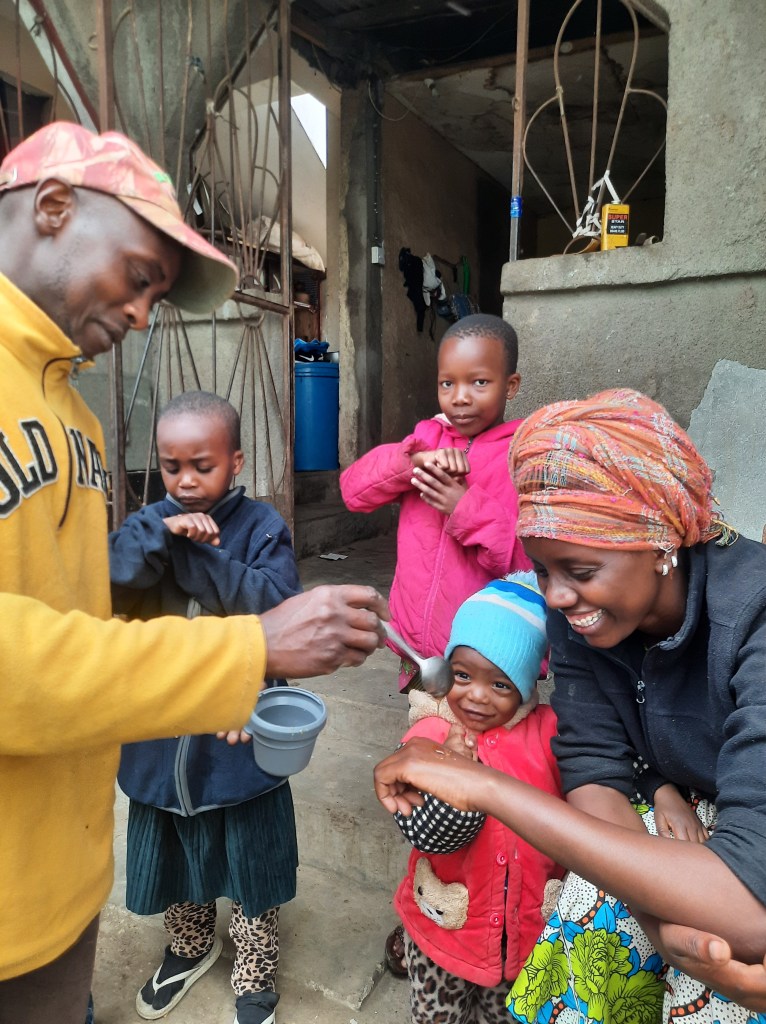
Our experience there cannot be encapsulated in one picture, it was the immersion, the untangible closeness we felt with other human beings who welcomed us in their home.
Our time with the Pallangyo family was the most meaningful and special of our time travelling through northern Tanzania. This was the time we treasure the most.
 Purposeful Disorientation