My parents traveled a lot in the 70s and 80s separately and together. They grew up in a dictatorship in Spain and they were one of the few amongst their group of friends who would backpack for at least a month at a time. They never lived abroad like many of us today but their experience of traveling seemed nonetheless more immersive and authentic.
The adventure of the trip would start long before it would happen. They would go to their local travel agent who would, by then, know them by name. That person would tell them stories from their customers and maybe even their own. Travelling then was not that dreamy spontaneous decision ‘let’s go to Paris this weekend!’ type of moment on a Thursday night. Travelling then would start months before, it would be present in every decision they made to save in anticipation for the trip. For every night they wouldn’t go out or every extra shift they would do to afford the holiday,hey would establish a relationship with their travel agent who would make suggestions and act as a bridge with locals in the country.
My parents would buy travel guides and study them religiously but still travel to the unknown. They would have no ties to those countries, there was no sense of entitlement, to being accommodated or the expectation that their needs would be met or that the country needed their money for their economy. They would try to learn a few phrases, and accept they would be eating things they would have never eaten before. They didn’t have many friends from abroad in the Barcelona of the 70s and 80s where they always lived as not many people would migrate to Spain until it joined the European Community in 1985 (Marti Romero, 2015). In other words, there was certainly less of a clear image of what the experience of a place should look like, feel like and certainly there would not be the guilt or concern there is today in the awareness of travelling sustainably. They felt like genuine explorers going to places only a few would be privileged enough to see, brave enough to venture and open enough to immerse themselves in. It’s that sense of unfamiliarity that would make one feel like a traveler rather than a tourist, being able to come home and tell stories of a place nobody has yet seen where most people had never been abroad.
I never travelled with my parents. My dad would say that travelling was not the same. I would look at their albums of photos, my favourite corner of the house, and dream that I was there too, a time when travelling was not yet ruined. I had not many certainties on what I wanted or expected but I did know I wanted to be there, everywhere, experiencing the stories they would tell me from a time before travelling was “spoiled”.
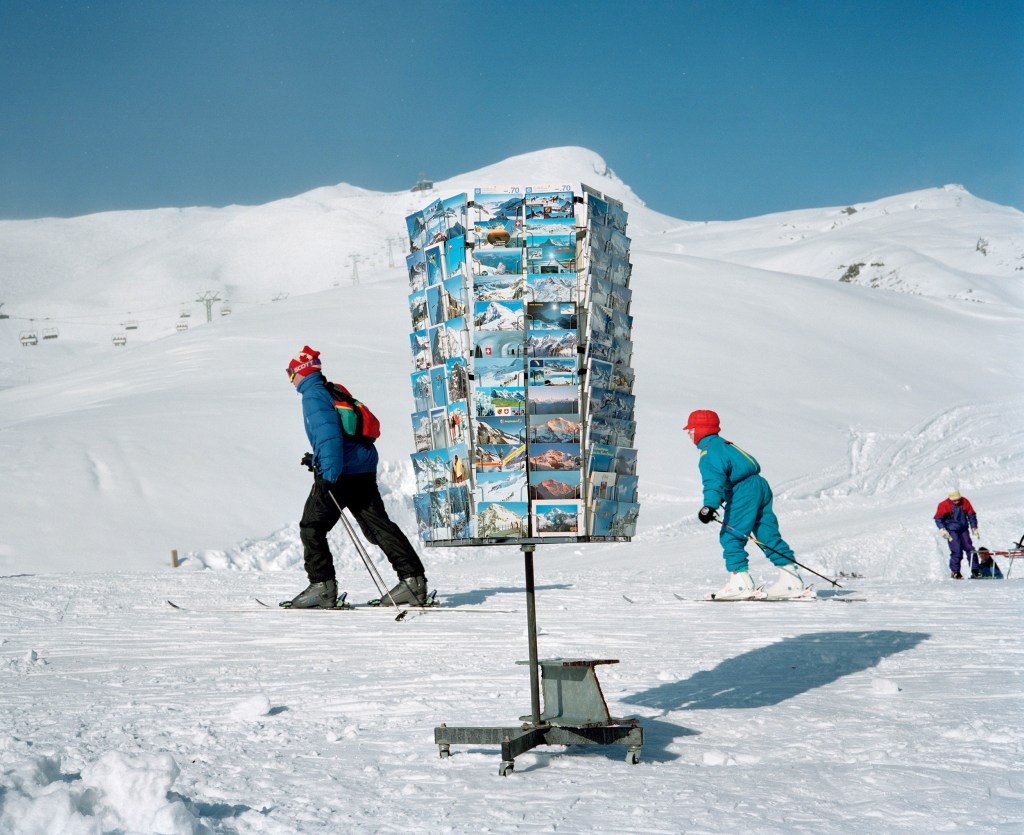
That view my parents would hold is a pretty narrow minded perception of a combination of multiple issues. Most of those reasons are the same reasons that travelling needs to be reimagined with a sustainable approach at its core while bearing in mind.
- Firstly, it is impossible not to allude to the privilege of travelling abroad in the 70s and 80s as white Europeans. Like everything, it is more special to do it if you are one of the few people able to do so. In the old continent, there is definitely a inherent culture that is not so present in sub-Saharan countries, for example. When I think of the nationalities I find travelling it is always people from first world countries.
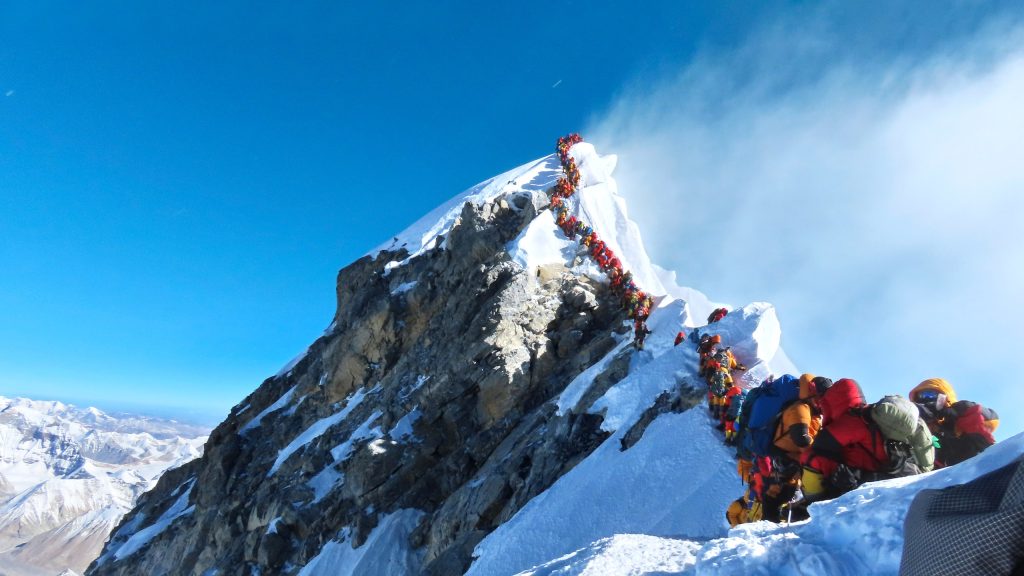
- Secondly, we can all agree that the way we ideally want to imagine our experience in our destination of choice would be in near isolation but instead find ourselves with hundreds of people who had the same thoughts and wishes. However, there are many parts of the world extremely special but less photogenic that can be boosted with tourism.
- Thirdly, it is impossible to allude to the dose of nostalgia that the memories of my parent’s travels are filled with. Memories of their youth, a time when the world just opened up to them to be explored and discovered before we were spammed with images from all over the world reminding us of what we are missing out on.
- Fourthly, precisely this, the bombardment of images, films, social media posts. We are constantly failing to experience something because there is so much in appearance available to us. Marketing is designed to make you feel that anxiety. You could always be more fulfilled in your personal life, friendships, body image, social life, sexual side and professionally. But as personal as those anxieties may appeal, they are designed to target a wider audience. So it is not about you, it is human yet very much a construct of neoliberal expectations that we now live by where our life could be better and there is always something we are missing out on. We know it is not possible to have everything we are shown we could have but we’ll be told it is simply a matter of effort and hard work and that if you don’t have access to all of it, you are failing somewhere somehow. But surprise surprise, the social elevator is not real and neither is meritocracy but even if it was, you’ll always miss out on something. Marketing turns what is political into something personal but this blog’s aims to turn the personal into political. Don’t turn the structural issues into personal issues, but identify your personal struggles in the structures you live in.
- Finally, the availability of travel by plane. Most of us will be well aware of how much flight prices seem to go down while train tickets and fuel seem to go up. The expanding market of air routes and airports seems to have caught up with the big downfall from the pre-pandemic years and while cities and regions are introducing strategies to limit access and improve the experience of visitors in targeted areas, the industry of tourism will continue growing.
When talking about overtourism, my home town, Barcelona is often referenced. Barcelona is a clear example of overtourism in its peak season. However the reason it is so widely referenced is not due to its undeniable popularity but rather how the city council has been regulating it since Ada Colau took over in 2015.
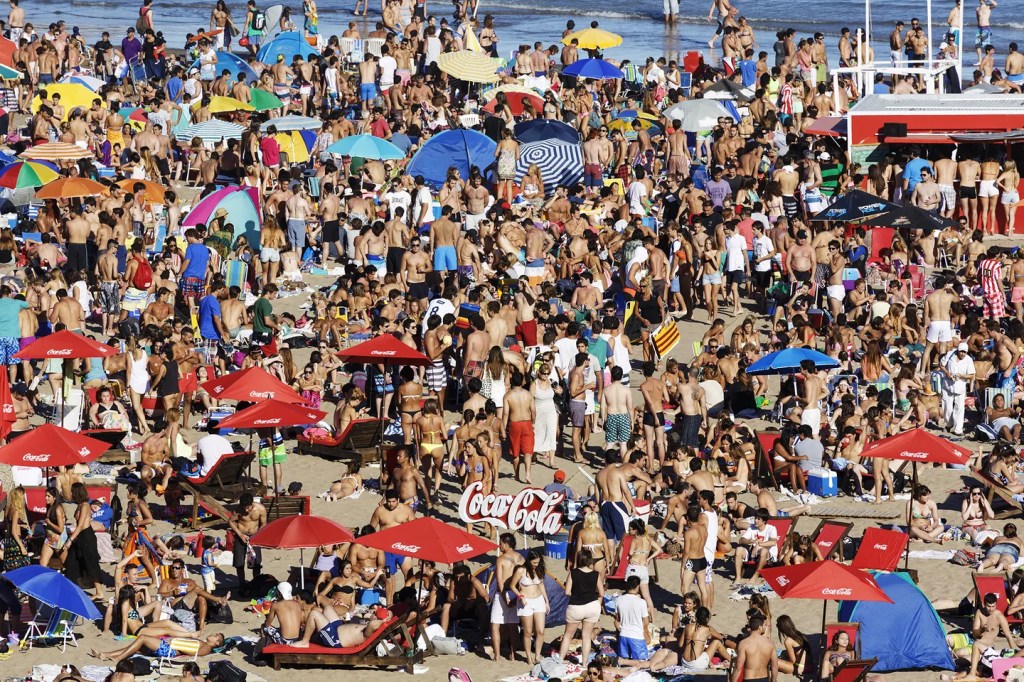
Like many other cities, countries and regions, Barcelona’s regional government has played a fundamental part in marketing the city for visitors since the 1992 Olympics. There seems to be a sense of entitlement and view that those destinations need tourists, that they should be at the mercy of visitors and cater for their needs and expectations or that their consumer choices and schedules should put them before locals. This is not and shall never be the case. The value of a city like Barcelona is in its unique identity in its lifestyle, gastronomy, architecture and its unique identity as the capital of Catalonia. What is the value of visiting such a charismatic city if the centre ends up becoming a theme park of foreign expectations on Spanishness and its coast adopts the look of a resort of prepaid package holidays? Tourism should be an exchange for growth for both visitors and hosts. Tourism can promote old traditions that are in decay, bring back to life what no longer has room in the modern world, tourism can give value to isolated areas and communities struggling to be self-sufficient and for visitors to taste something extremely singular and authentic.

 Purposeful Disorientation
Leave a comment