- Food, ask a local where they eat on a Sunday or what is special about that season. Of course we all want to eat a Paella when we visit Spain even if we’re not travelling to Valencia. But as a Spaniard I can’t conceive eating one anywhere but a fishing village with the sound of the waves and smell of the sea. Having a paella in the middle of La Rambla with the romantic sound of traffic is not so much about culture and gastronomy as it is about ticking a box and preconceived expectations.
- Reserve at least one day to go somewhere else outside the city you are visiting. Far from gentrifying other locations, you are distributing your financial spending while seeing more than the tourist destination specially catered to host tourists.
- Try to learn a few words, always. The more one tries to integrate, the more one is reminded of what is specifically targeted at tourists or even manufactured to appeal as a ‘must do/buy’ and what is truly local. Learning the language brings you closer to finding those signs that are not designed to trick the tourist.
- In cities there is always a museum of the city that outlines how the city has changed. It is always a must because it portrays the history of the city and how it has shaped it.
- If the street you are walking by is full of ice cream stands, phone case shops and t-shirts with the name of the city, you will probably appreciate how you are mostly surrounded by other tourists. You are most likely walking through some of the most beautiful streets of that city and locals will probably avoid it because it is now a touristy area. With that in mind, look around, are the souvenirs the same? Do you recognise the setup of the ice cream shop? Have you seen the same menu a couple of streets before? If yes to any of those, you are in front of a chain designed solely to cater for tourists’ expectations on the essence of the place you are visiting. If you venture yourself a bit further out the centre, you will realise it is not at all what locals consume. If the menu is in English before the native language, no locals eat there. Now, this is very particular to oneself when travelling. If you are one who travels with specific ideas on what you want to experience, eat and see and to you travelling is relaxing and getting it all done for you, go ahead and enjoy treating yourself. Go ahead and search for a pizza in Bologna and a paella in San Sebastian. Bear in mind to keep your standards down in terms of quality. You are most likely eating something from frozen, potentially mass produced, only partly cooked on site and where the staff are neither proud of their product nor are they paid anything above a minimum wage. But if you landed in the country for an appetite of what you were made to think is traditional, go ahead. On the other hand, if you travel to seek that disorientation, the alertness of being surrounded by unfamiliarity and to try new things coming back with something new within you, then walk away from those establishments and venture yourself. You will find restaurants with engaging staff who might not be able to host you in English but you will have the chance to watch them interact with locals who they may even know by name. And if the menu is not in English, I’m sure you know how to find a translating tool in your phone.
Most tourists visit the same few places in each city which causes high congestion in very specific areas of the centre at specific times of the day and months of the year. With such traction, it is natural that rents around those areas would increase, pushing out residents potentially working in those areas in favor of turning their homes into tourist flats, cashing in more per night. And furthermore forcing small businesses out where big chains can afford losses in the low season can capitalise while changing the character of the culture offering their international menu.
- AirBnB, Hotels, Hostels or Couchsurfing?
- AirBnb – Needless to raise the many reasons why AirBnB is such an attractive and convenient choice, let me highlight what to look for when you pick your host. First of all, avoid a host who owns multiple properties. I am not against people doing with their properties whatever they want or how they should capitalise on it but I do believe that they have a responsibility and that housing is a human right and as such not a game to speculate on making it harder for working class people to live near their families or their places of work. Secondly, check if the city you are travelling to is having an approach to AirBnB like the one initiated by Barcelona’s mayor Ada Colau in 2017. In 2019, over 19,000 properties were registered in Barcelona on the online platform, meaning 12 AirBnB apartments per 1,000 inhabitants and bigger cities like Paris scoring 28 flats per 1,000 inhabitants (Congostrina, 2020) . Barcelona sued AirBnB for 600,000 Euros for listing properties without a license with the council, this action prompted the online platform to start negotiating with the mayor’s office (Brown, 2019). Until their threat, unlicensed flats were advertised and capitalised on while not paying any taxes to the local council while AirBnB generated $5.9 billion in revenue in 2021 (Curry, 2022). Like most of us, I have used AirBnB on many occasions but the best experience of all was my first. It was October 2016 in Paris when not many people would travel to the French capital. My partner at the time and I rented a room at the flat of a mid 40s gay nurse. Not only was the apartment located in an area of the city with a more real accessible feel than the expensive centre, but we had the opportunity to have late night conversations with him, learn about his life, his tales of Paris and his involvement in the horrors lived in the city in 2015. I have lived and forgotten many of my amazing AirBnbs rentals but this one more than any other remains fresh and special in my mind.
- Hotels and Hostels – Are definitely licensed and as such they are contributing to their shared responsibilities within the community they exist in addition to producing jobs. However, in my most recent experience in a hotel, I found myself staying in the most beautiful hotel and location I had ever been to yet became more aware than ever of the contradictions I found myself in.
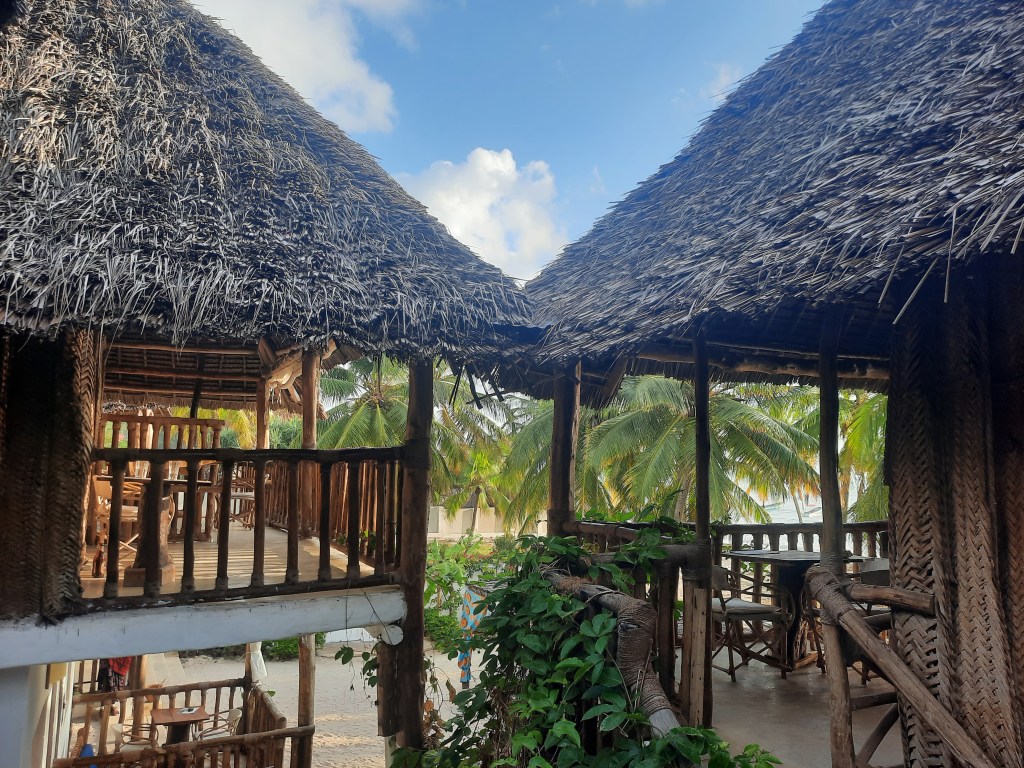
To put you in context, I travelled to Tanzania and did home stays, some hotels and stayed with some nuns in the Usambara mountains as well as some community run accommodation. But on my last two nights in the country I decided to visit the east coast of the island of Zanzibar. I stayed in a hotel in Pingwe. I found myself surrounded by the dreamiest of places, the bluest water and the whitests finest sands with beautiful sustainable looking hotels and dreamy palm trees. Local people would gather on the beach trying to make a sale, either souvenirs or boat trips while children would come in the water to sing to us and ask for money. It was quite a contrast from our experience hiking around Mount Meru and Usambara where people seemed busy working, transporting and being able to be an active part in their communities farming, creating bricks to build houses, transporting food, goods and interacting with us purely out of curiosity. As we ventured ourselves to walk through that peninsula, we realised that the palm trees were only right on the seafront by the hotels, that the houses inland were very precariously built, that the roads were poorly maintained and that the big hotels were run and owned by white foreigners. In other words, this fabricated paradise was a loss of sovereignty of local people to acquire or own their land and exploit it whichever way they wish to do because they cannot compete with big foreign investors creating a tourist model where the wealth generated would not actually arrive to locals nor improve their lives in any visible way. I couldn’t help but imagine what those beaches would have looked like before someone who came to visit decided to capitalise on that land.
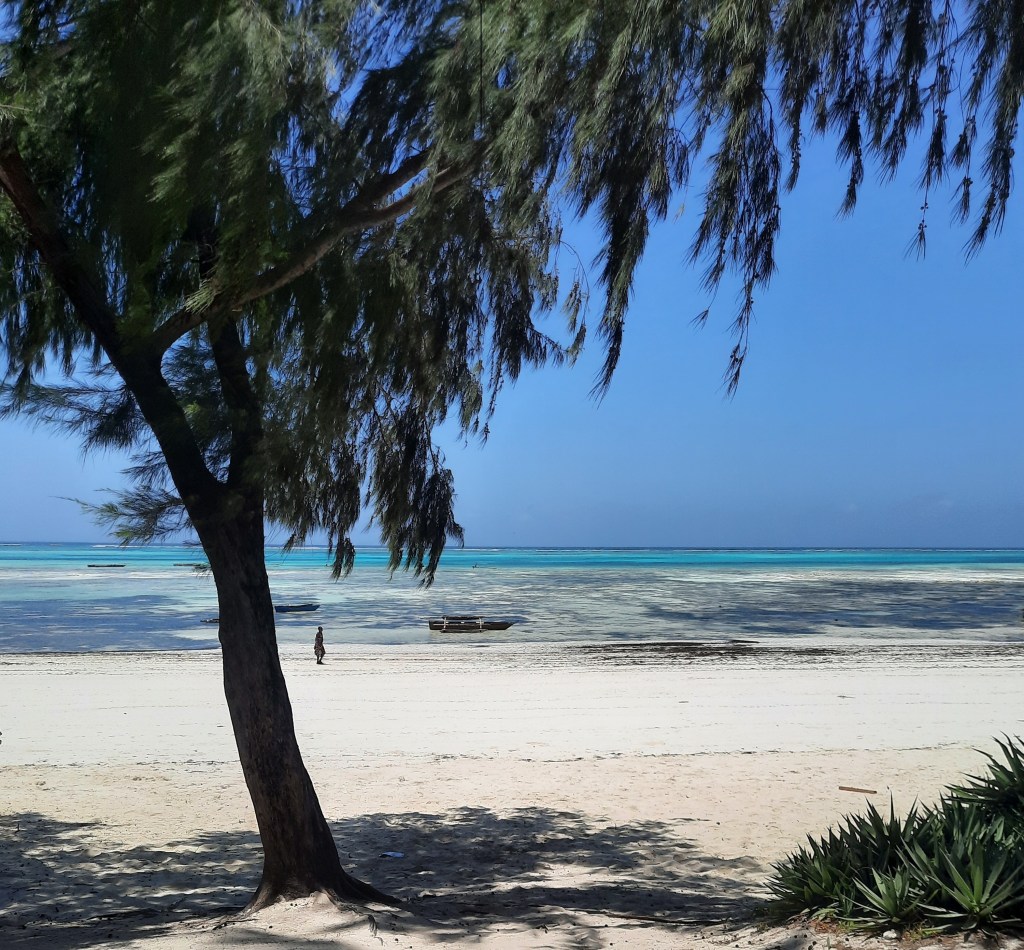
I can imagine those remote beaches being the landscape of local people growing up, from playing football with their friends to long walks along the sea, seaweed farming and long days fishing, seafood sales on the beach and people playing checkers like I had seen in the outskirts of Zanzibar just outside the popular area of Stone Town. I wonder if that is somehow what Pingwe was like before someone came to visit the place and decided to buy land and build hotels that now separate the villages from the sea. If tourism does not protect or improve the quality of life of locals, it does not work.

3. Couchsurfing – I have hosted and couchsurfed through this platform and I can honestly say that it revealed to me just what travelling used to be. I was used to going on city trips exclusively and staying in hotels, I used to view travelling like many people still do today. Naturally we do not all travel for the same reasons nor everyone who chooses couchsurfing has the same motives. For those who see travelling as those days in the years of comfort where you get everything done for you in exchange of money, Couchsurfing is not for you. While this platform is free, it is very much aimed for those who look for the little discomfort of feeling in debt to someone and are willing to dedicate some of their time, skills, stories or gift to return the favor.

- Travel by train whenever you can and avoid renting a car. It’s more sustainable, more economical and parking takes a lot of space in streets. Manage your time well, check public transport in advance. Supporting public transport if not travelling at peak times is the best way to invest in improving or protecting the quality of life of locals.
- Travel in off peak seasons if you can. This is specially relevant in very popular destinations because the economy of that city and/or region will end up becoming highly reliant on visitors. However, like many summer holiday destinations, small businesses struggle to make ends meet when the tourists leave and jobs become increasingly seasonal leaving many people with a termination of their contract at the end of the summer.
 Purposeful Disorientation
Leave a comment