MADEIRA. How I made my trip more sustainable
Itinerary
Day 1
- Hike Ponta de São Lourenço
- Punta dos Gaviotas
- Prainha do Caniçal
- Miradouro do Caniçal
- Ponta do Rosto
- Night at Caniçal
Day 2
- Sunrise from Ponta da Bode
- Miradouro do Gambão
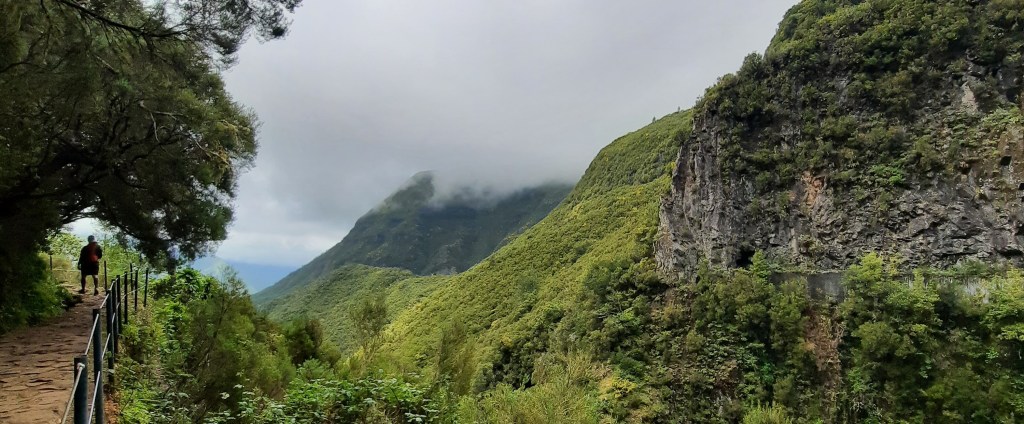
- Hike Levada dos Balcões
- Hike Pico do Arieiro to Pico Ruivo
- Night at Porto da Cruz –> Rural San Roque
Day 3
- Miradouro do Guinaste
- Praia da Maiata
- Casas Tipicas de Santana
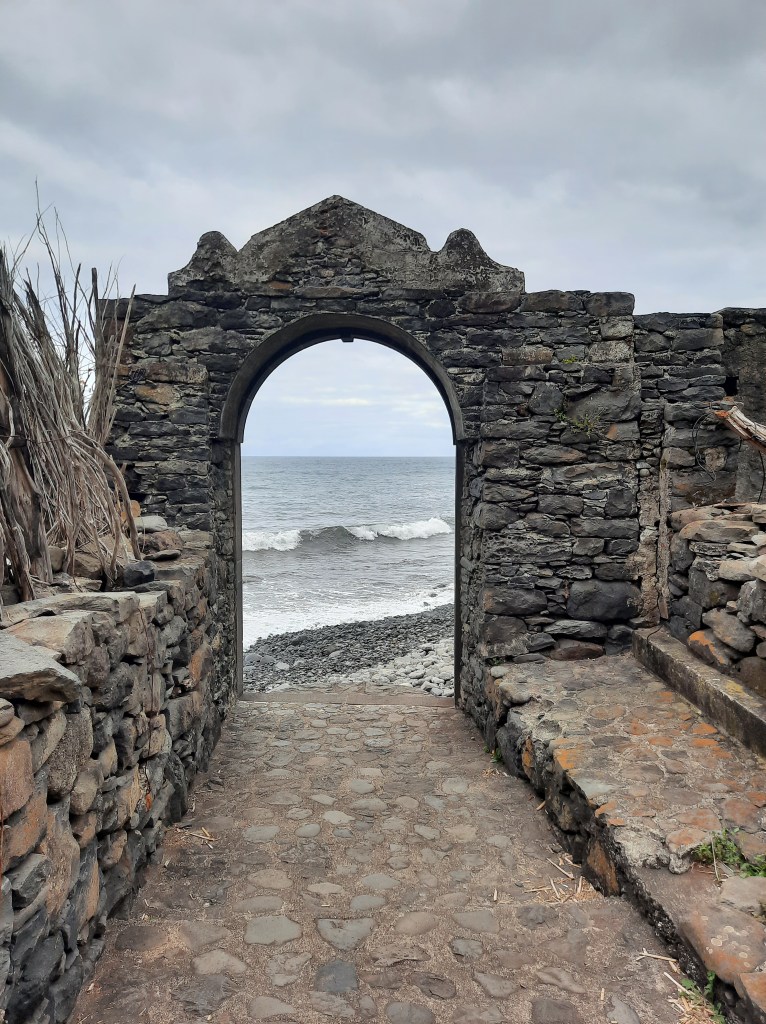
- Ruínas de São Jorge (Ruins of St. George)
- Miradouro Boca das Volstas – sunset (if clear)
- night at Santana –> Santana in Nature
Day 4
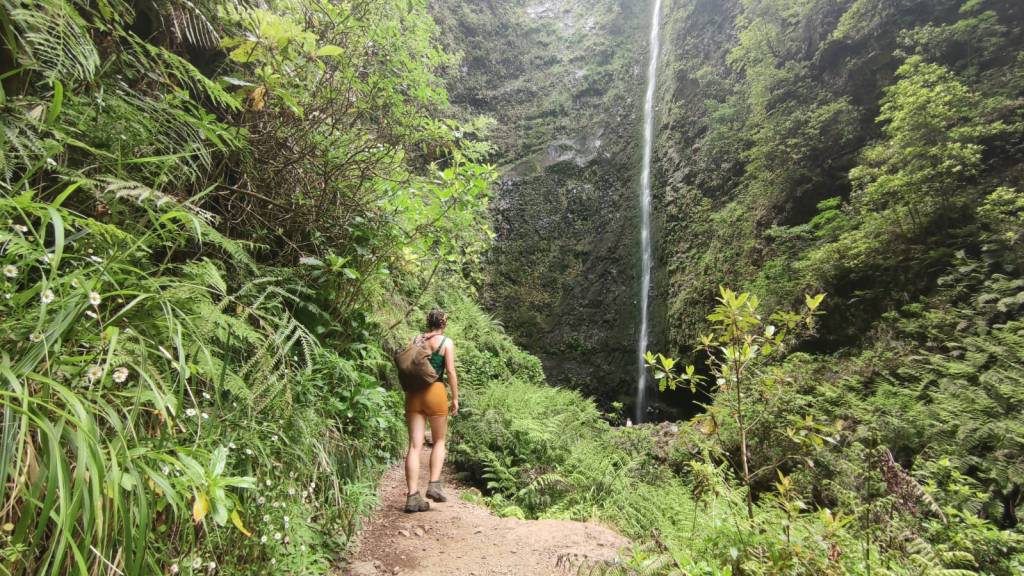
- Hike Levada do Caldeirão Verde (13Km)
- Hike to Caldeirão do Inferno
- night at Granny’s Farm
Day 5
Day 6
- Chao dos Louros Hiking Trail
- Bica da Cana – Pinnacle
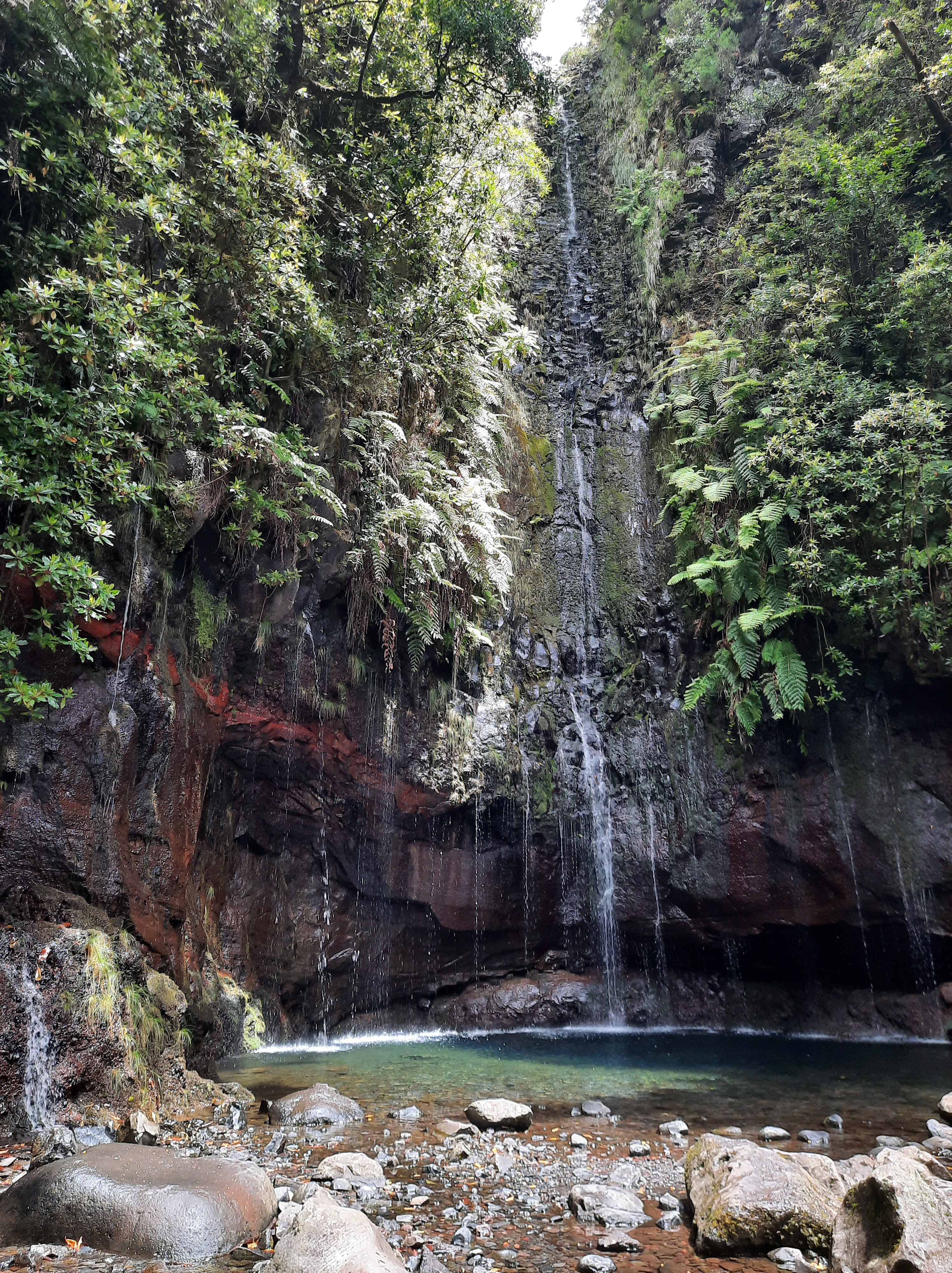
- 25 Fontes Falls – Hike Vereda das 25 Fontes + Levada do Risco
- second night at North Coast Guest House
Day 7
- Seixal – Natural Pools
- Porto Moniz – Natural Pools
- Ponta da Pargo
- Night at Paul do Mar
Day 8
- drive to Funchal
- Mercado dos Lavadores
- Rua Santa Maria
- Cable car
- Jardim Botanico
- Monte Palace Madeira
- Madeira Story Centre
Day 9
- Fly back
This guide is aimed at showcasing how travelling more nomadic can save unnecessary petrol, distribute spending in less affluent areas outside the capital and spend more time immersing oneself in the culture in areas less targeted at tourists. For in depth information about Madeira food, culture, hikes and architecture, I have listed some good links at the end of my itinerary and throughout the post.
We made our trip more sustainable by drawing a route through the island without going back on ourselves, renting a car, sleeping every night in a different village and packing our bags after breakfast, reducing the amount of driving and spending more time in each location, staying in smaller accommodation and getting to know the locals. Travelling through and staying in small villages, it surprised us just how little to no tourists we encountered. In an island like Madeira that is so topographically challenging, the distribution of resources and wealth in comparison to the capital is too great for such proximity. While Funchal has everything a city can have, villages in the north are seeing their population age as young people move to the capital. This is why it is important to understand the economy of your destination and distribute your financial spending contributing to what actually supports small communities, their local produce and their way of life.
Madeira has won once again the award in the category of ‘World’s Leading Island Destination’ for the eighth time. Madeira has it all, gastronomy, landscapes, weather, nature activities and a very interesting history that involves Portugal and its relationship with Japan, the Canary Islands, Africa, pirates, slave trade,… Madeira is the island where the “infamous” (I’m a Barcelona and Manchester United fan in the UK) football player Cristiano Ronaldo is from. And, frankly, after travelling across the island and finding not more than 5 metres of flat surface, I can completely understand how this man grew to be so skilled, strong and determined.
I travelled to Madeira in June 2021, peak time of the year if it wasn’t because of the travel regulations of the years of the pandemic. Madeira is a small island and you can drive its perimeter within a few hours. It is for this reason that most people usually stay in the capital or a resort in the south where the weather is better and commute back and forth every day.
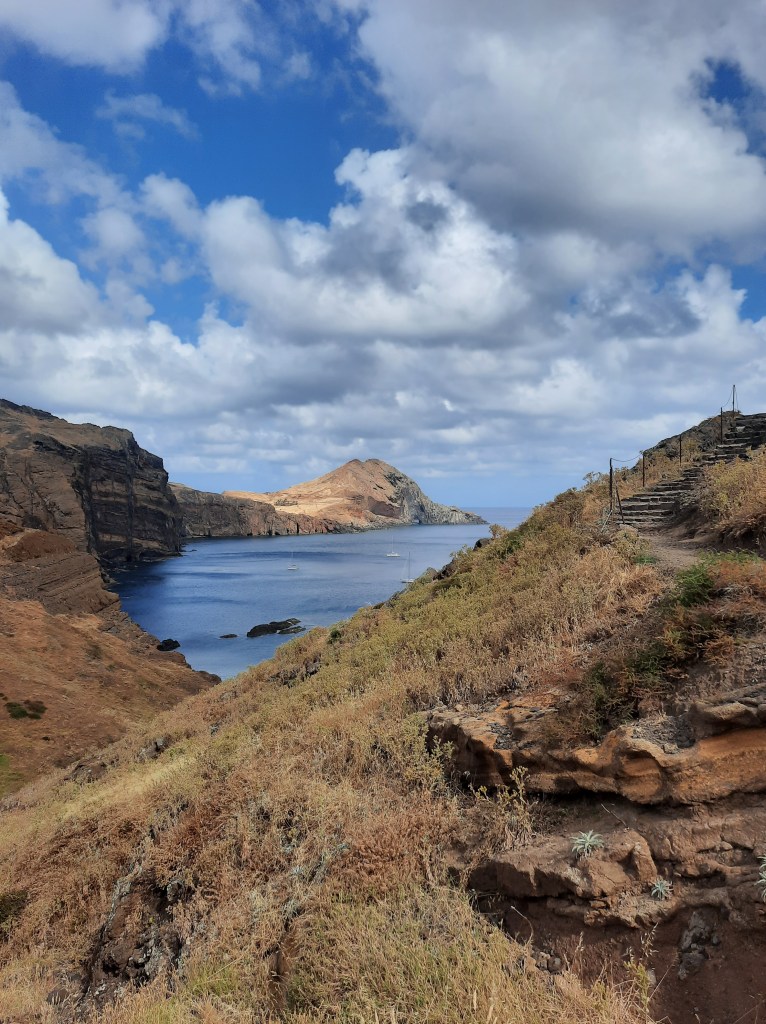
DAY 1 – We decided to tour the island clockwise. After picking up the rental car at the airport, we drove to Caniçal, only 15 min drive away from the Aeroporto. Caniçal is a small village and as such most businesses are locally owned. That afternoon we went to hike Ponta de São Lourenço only 10 minutes drive to the car park for the 8km hike that with the incline can take 2 to 3 hours. This is the driest part of the island. In Madeira it doesn’t rain much but it is often foggy. When you stand on the edge of the Ponta de São Lourenço, you can see have a 180° of the island and spot how the weather changed around its green and mountainous centre.

DAY 2 – We began our day early to witness the sunrise at Ponta da Bode.

We began our day watching the sunrise from Ponta do Bode then proceeded to drive 25 minutes inland to hike Levada dos Balcões parking anywhere between John’s Poncha and Restaurante Snack Bar Fainsca. It is a short but stunning hike of 2-3km depending where you park.

This is a good warm up for the iconic hike from Pico do Arieiro to Pico Ruivo, an 11km hike of constant ups and downs. So, although the hike can be completed back to back in 3 hours, it is wise to bear in mind that you will want to enjoy the views and take some breaks. The sunrise and sunset from Pico do Arieiro is spectacular but due to the elevation, the chances of poor visibility and fog are high. This is a very exposed hike with not a lot of shade so do remember to cover your head and shoulders.
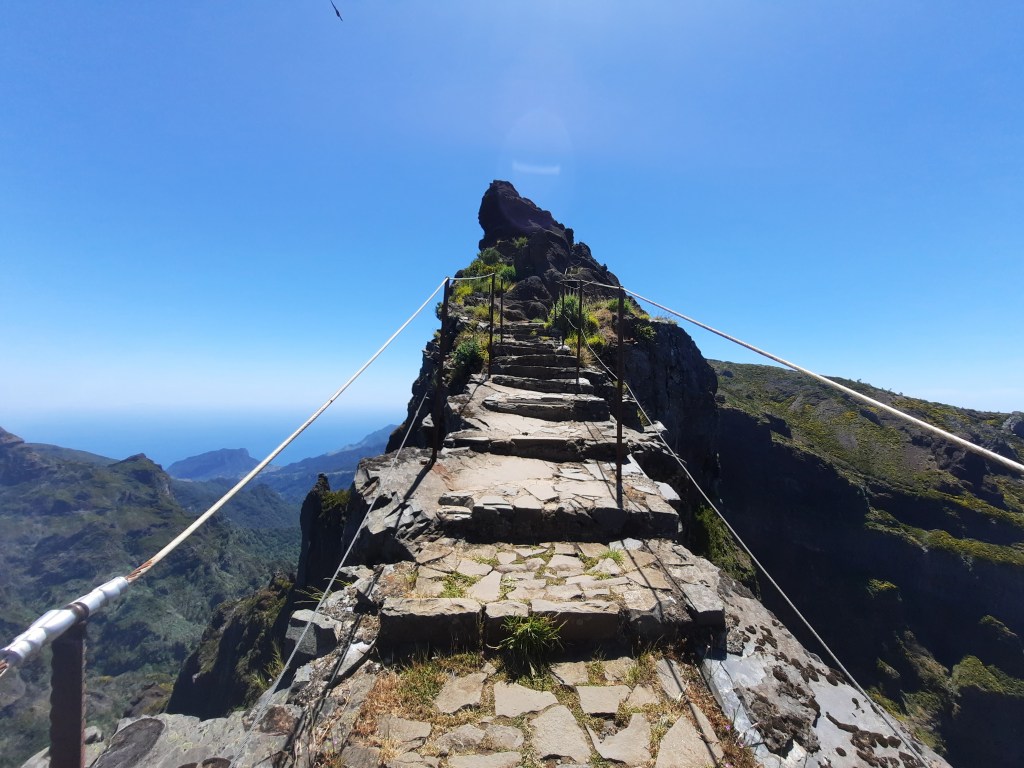
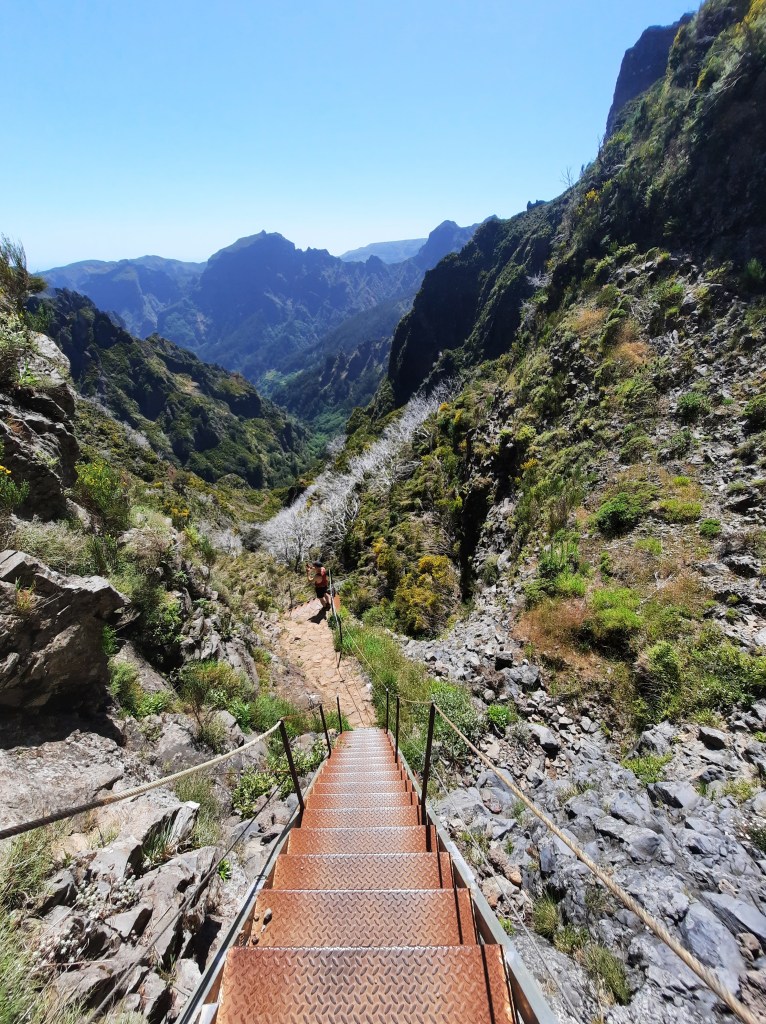
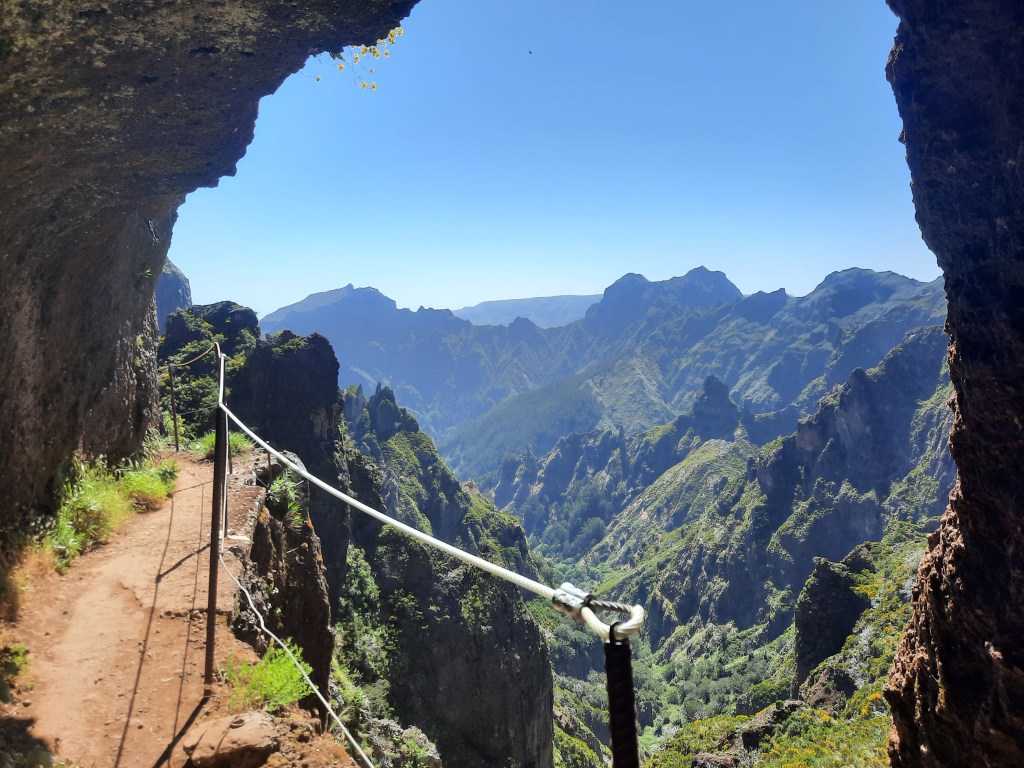
We spent the night at Porto da Cruz and had a quick relaxing bath at Piscinas Porto da Cruz, a public pool by the sea. We stayed in a small, quirky and stunning hotel called Rural San Roque. We were surprised to find out we were the only guests so we got to pick the best room, eat breakfast at our desired time, have the whole dining room to ourselves with its breathtaking view and spend some time with the owner talking about her struggles in the pandemic, her story with the town, tips and recommendations for the sunrise.
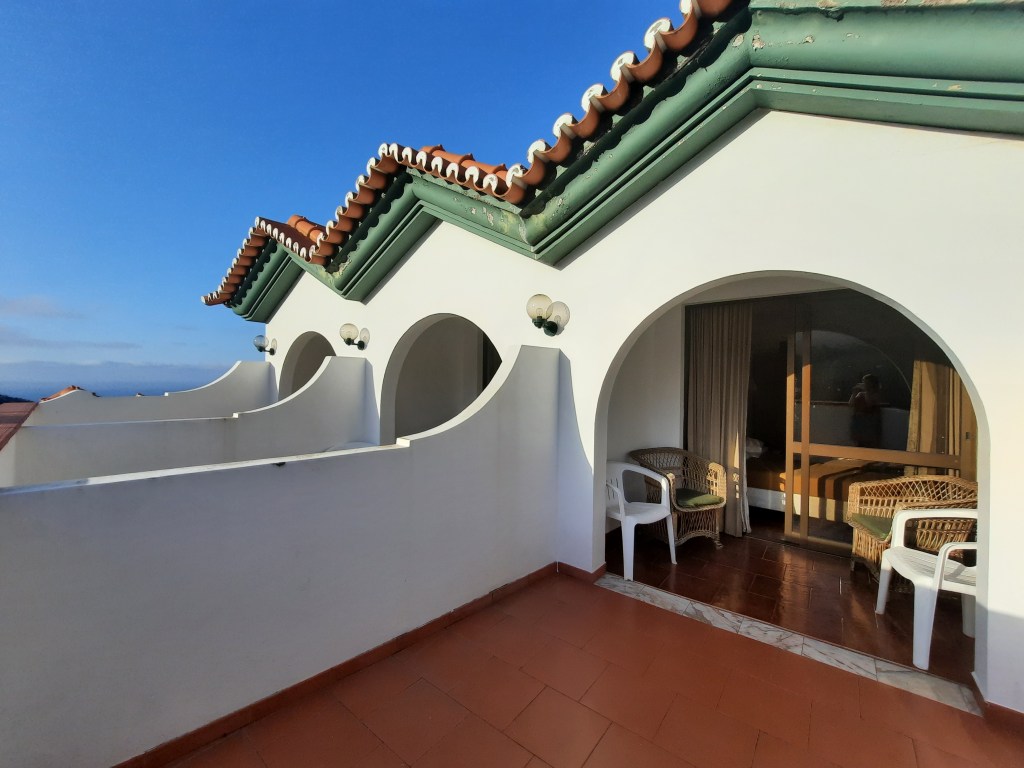
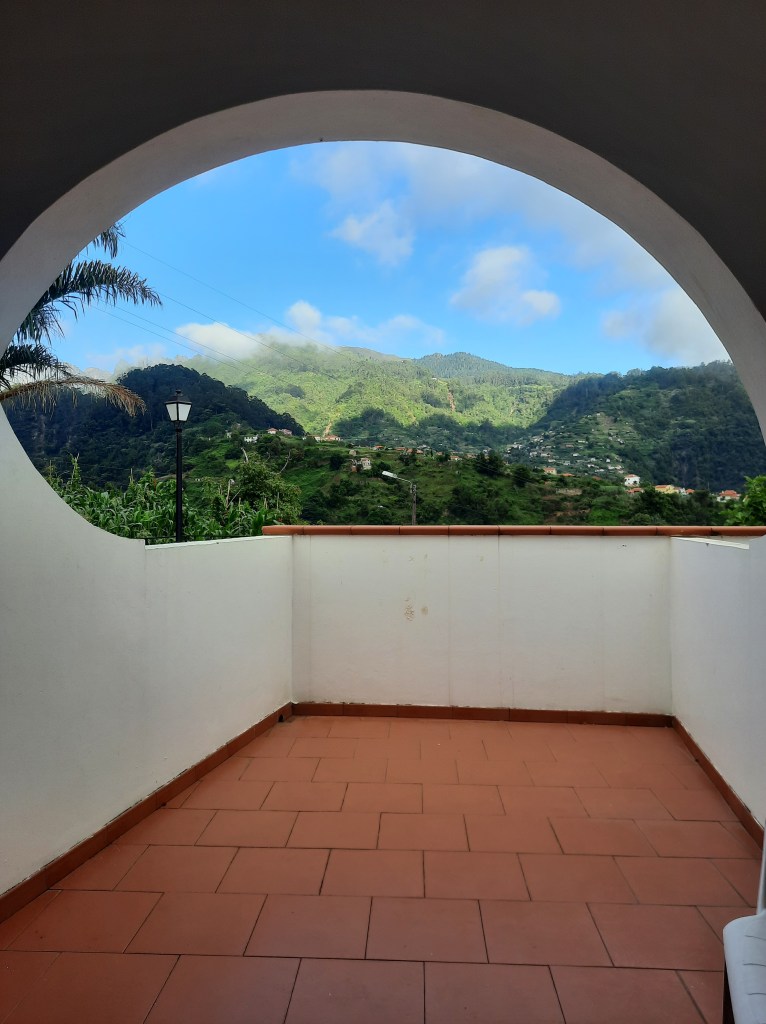
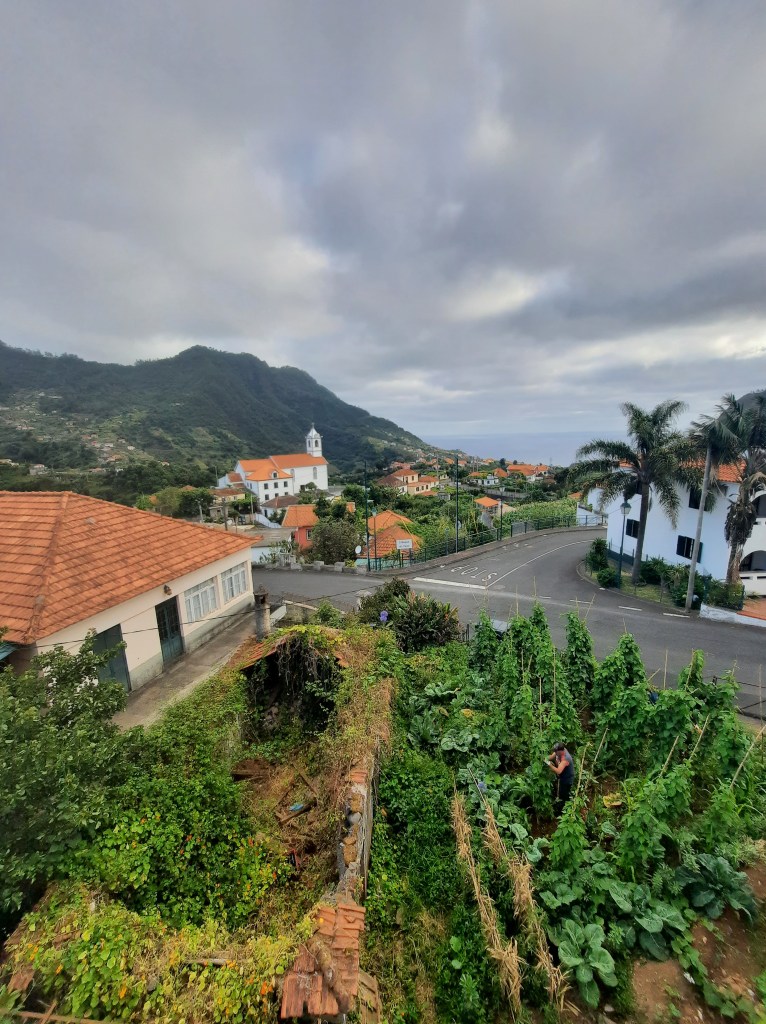
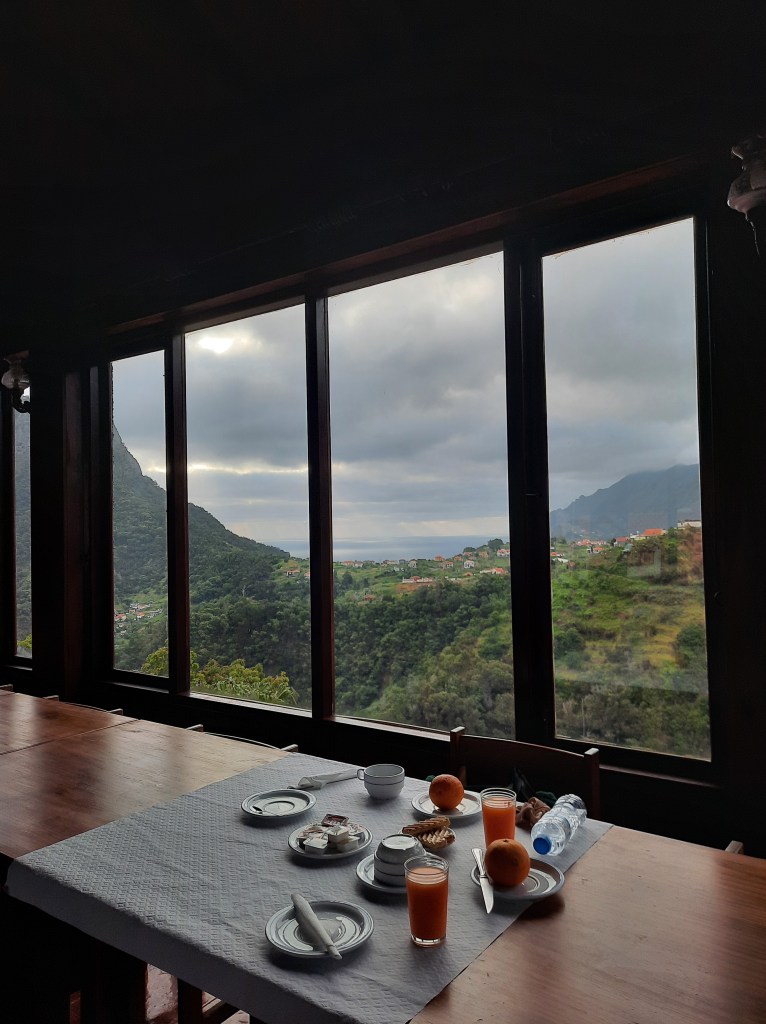
DAY 3 – We drove a few minutes to Miradouro do Guinaste for the sunrise as recommended by our host, just 9 minutes away from our hotel. The sunrise is always a gamble and in this case we only got a little sight of the sun but it was still refreshing to start the day by the sea.
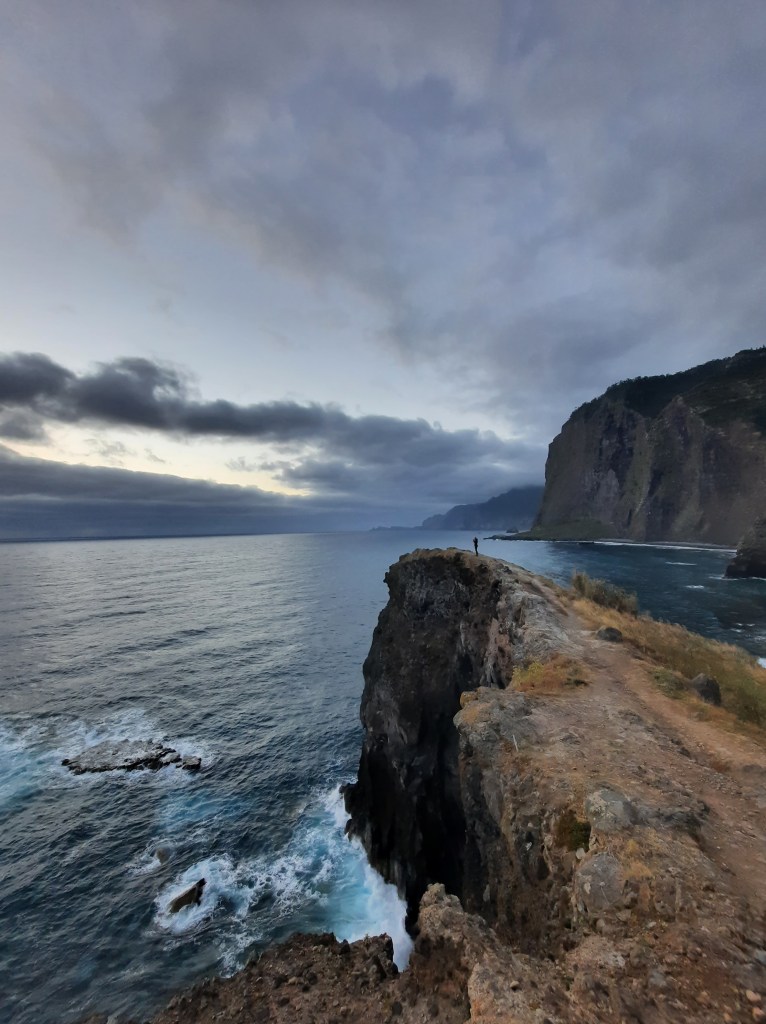
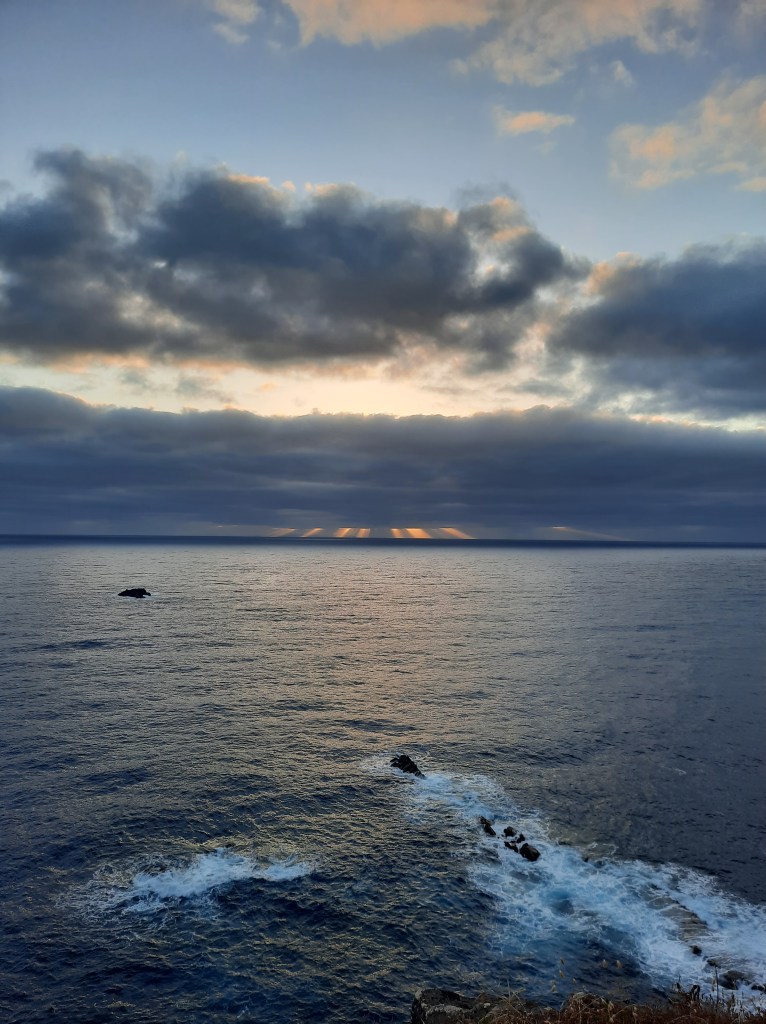
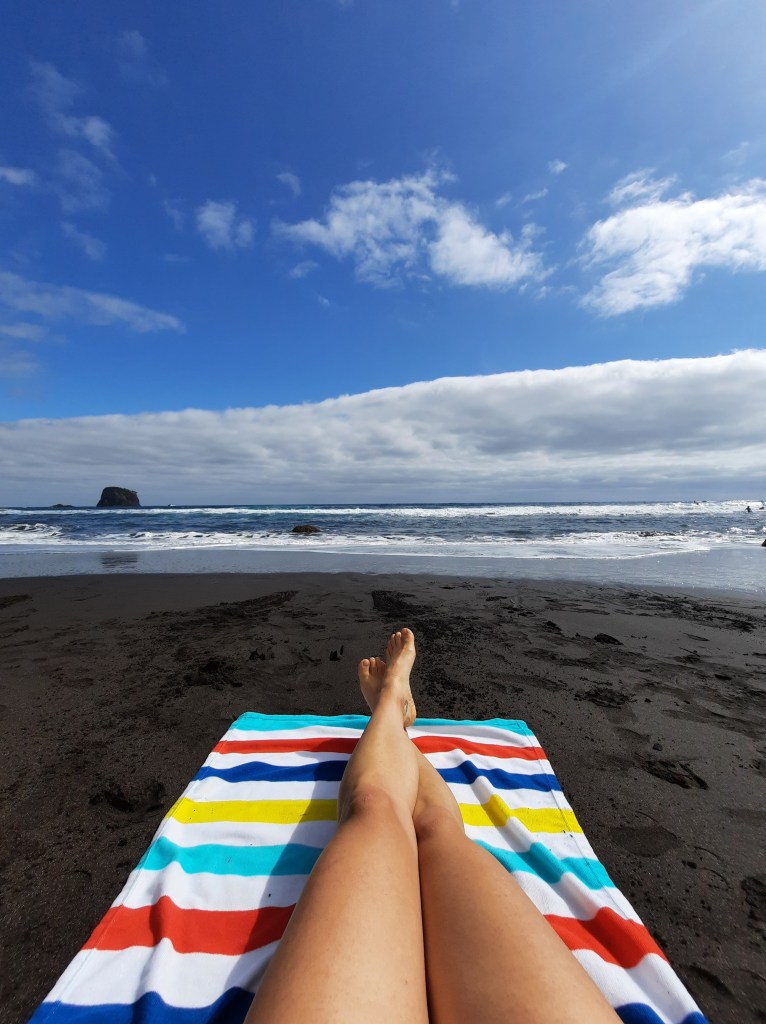
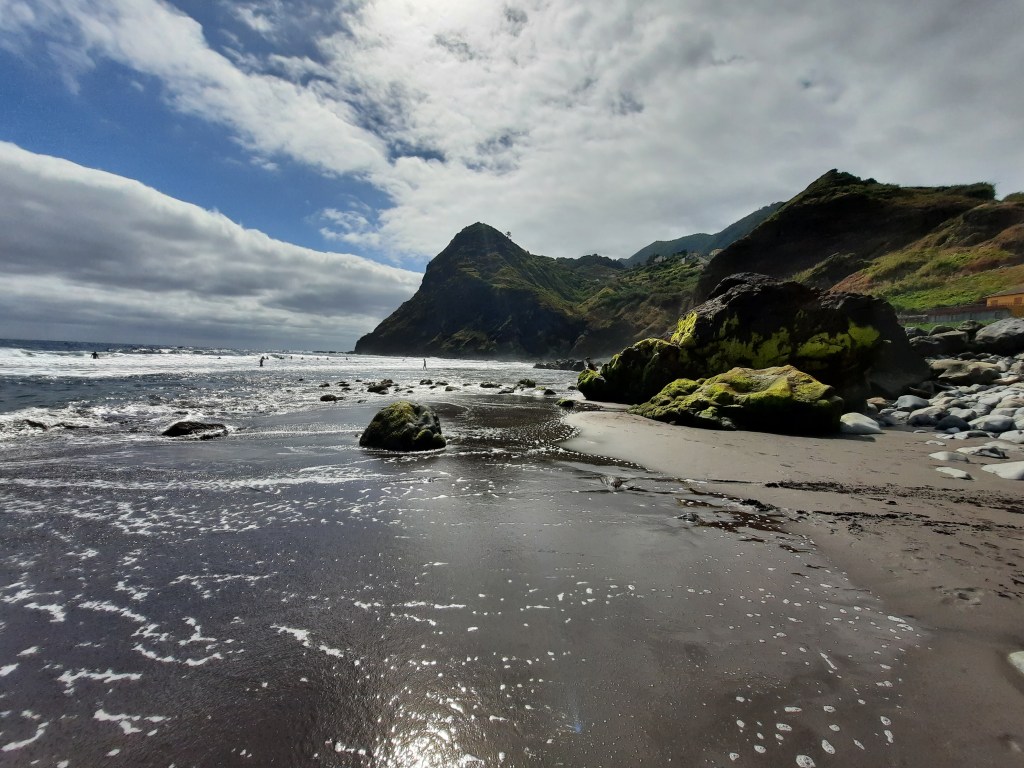
After our failed sunrise we went back to the hotel for breakfast and then headed to the black sandy beach of Praia da Maiata in Porto da Cruz.
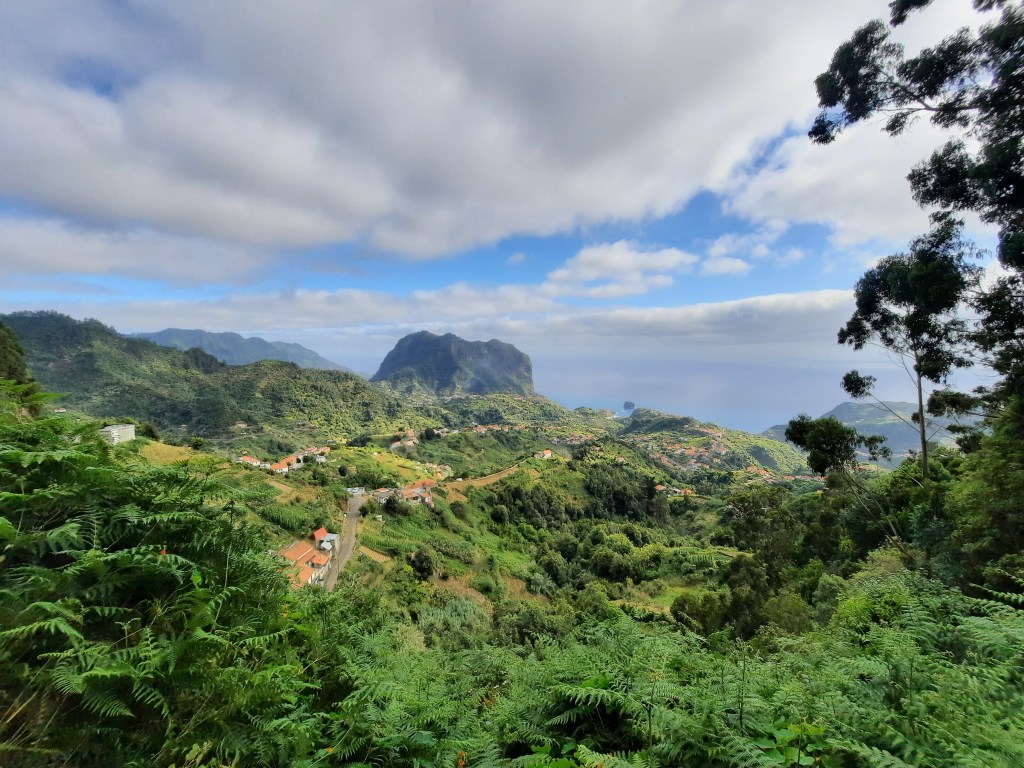
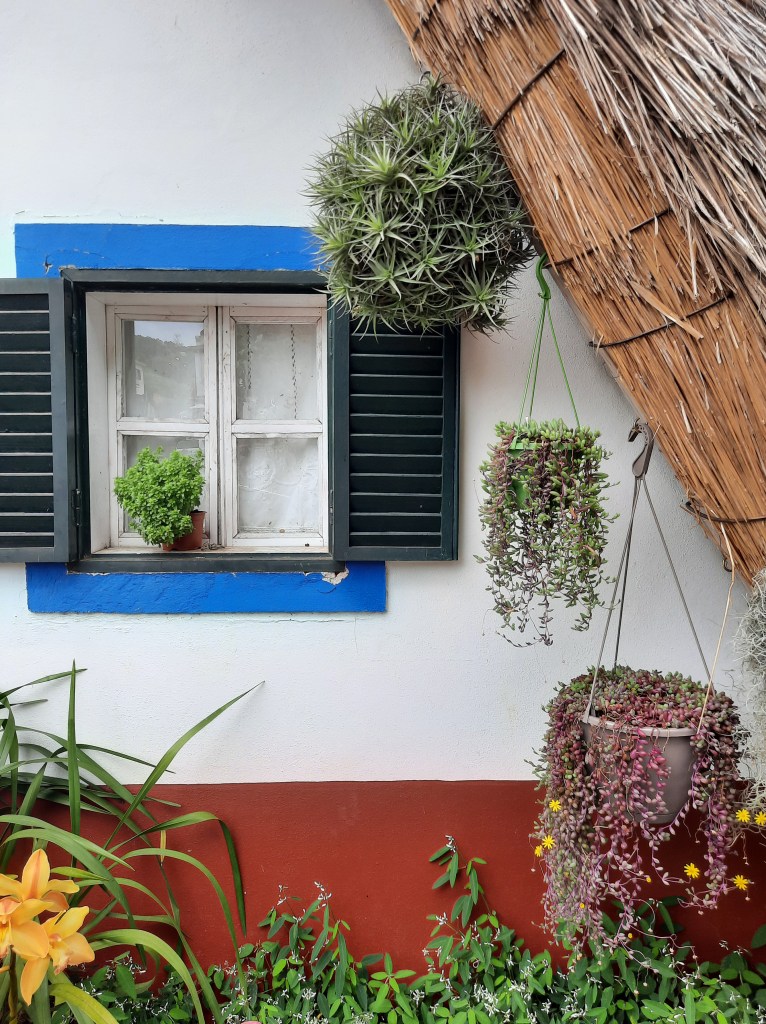
Santana is less than 20 minutes away from Praia da Maiata. The typical houses of Santana are a very emblematic picture of Madeira. You can try traditional Poncha and other local foods. There is also a modest fresh food market where we bought provisions for our hike the following day.

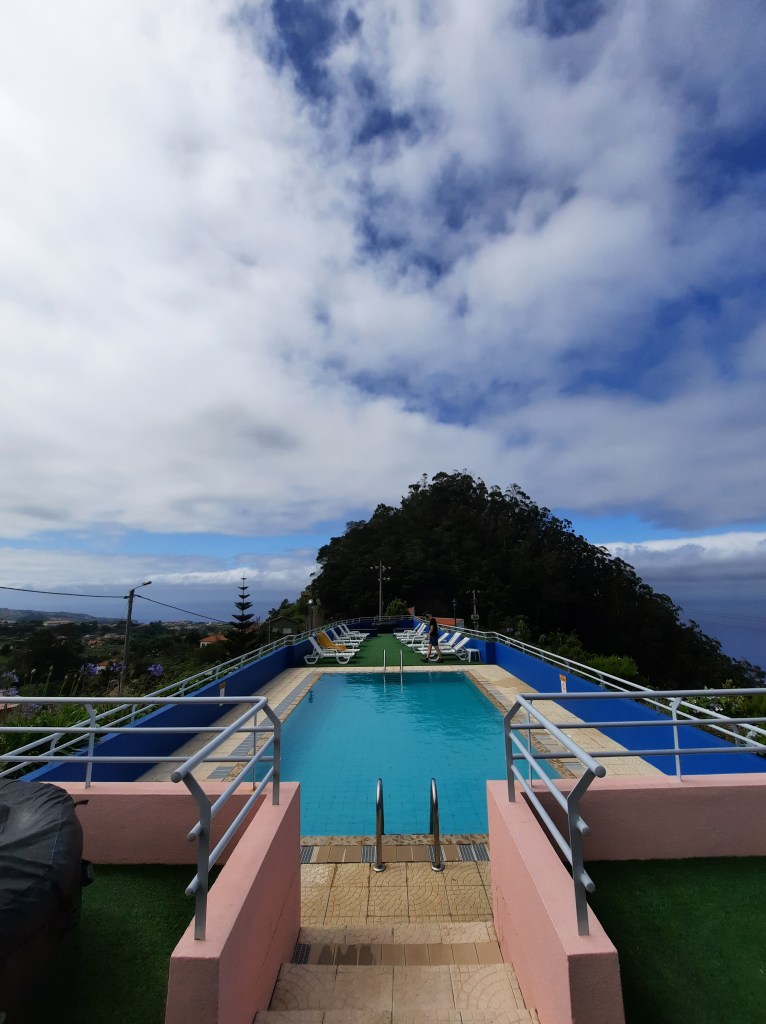
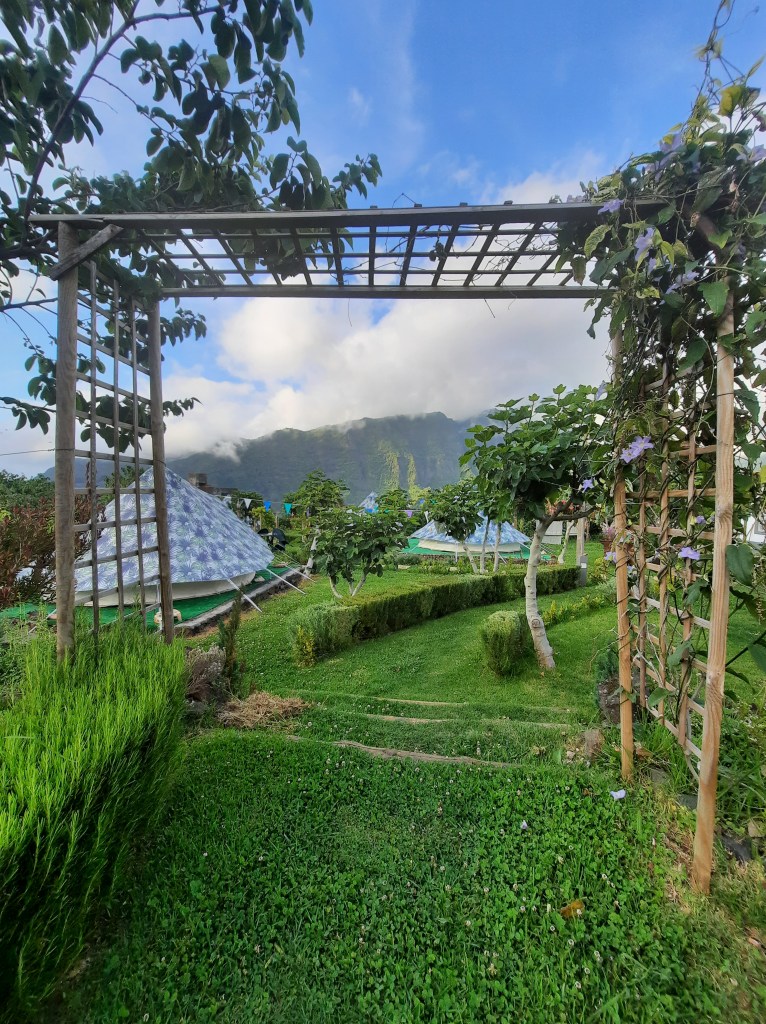
We planned for a relaxing beach day and commuting to a viewpoint for the sunset but unfortunately it was cold and cloudy so instead we took advantage of the hot tub and swimming pool of the hotel we had booked on top of the hill. We were two of the few guests and were able to have the terrace to ourselves. Again, one of the beautiful advantages of staying in remote areas instead of taking the same route everyone does, staying in the big city or big resorts. The restaurant across the road was part of the hotel and with the little Portuguese we were able to speak, we communicated with the staff well enough to share some drinks with them after their shifts.
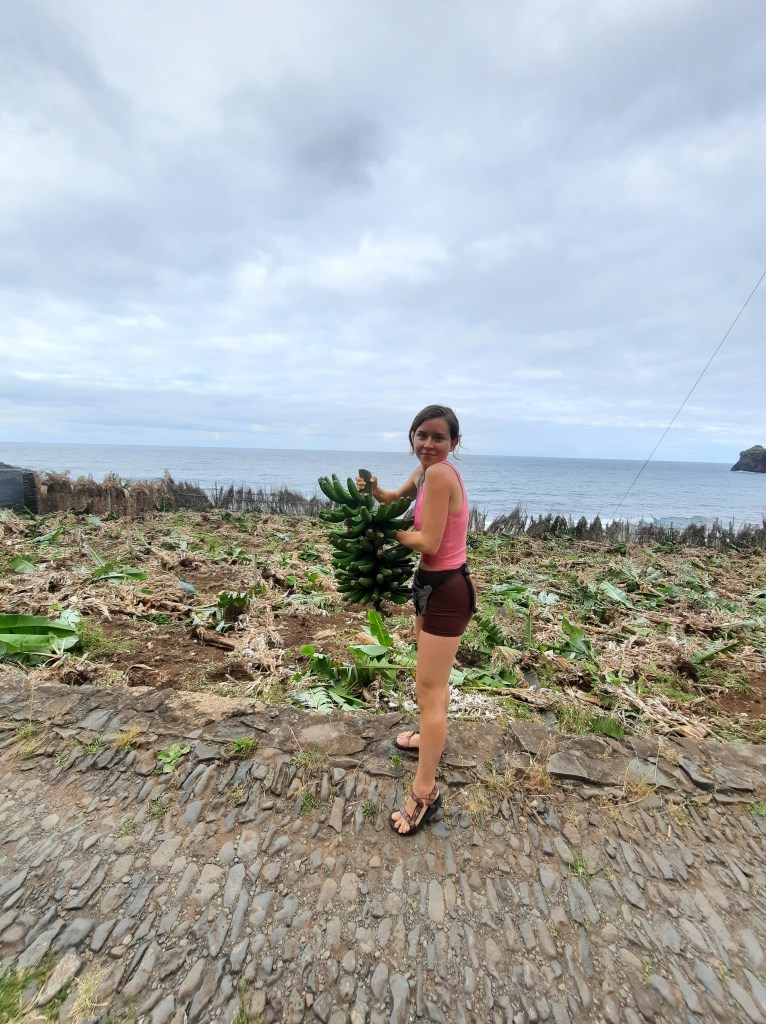
DAY 4 – We were hoping for a sunrise but it was too cloudy, we still woke up for it and began our day. The hours of daylight in Madeira only fluctuate from 10 hours in December to 14 hours in June.
We only had to drive ten minutes to the start of our hike. We parked at the Um Caminho para todos which offers a placid and easy walk in the woods before arriving at the Queimadas Parking Lot where most tourists start. Since the rest of the hike is completely in the nature, the café is a good chance to grab a hot drink and a pastel de nata. In fact, having driven through remote villages and deserted hotels, eaten in restaurants with only other locals, we were impressed by the amount of tourists we encountered on this hike.
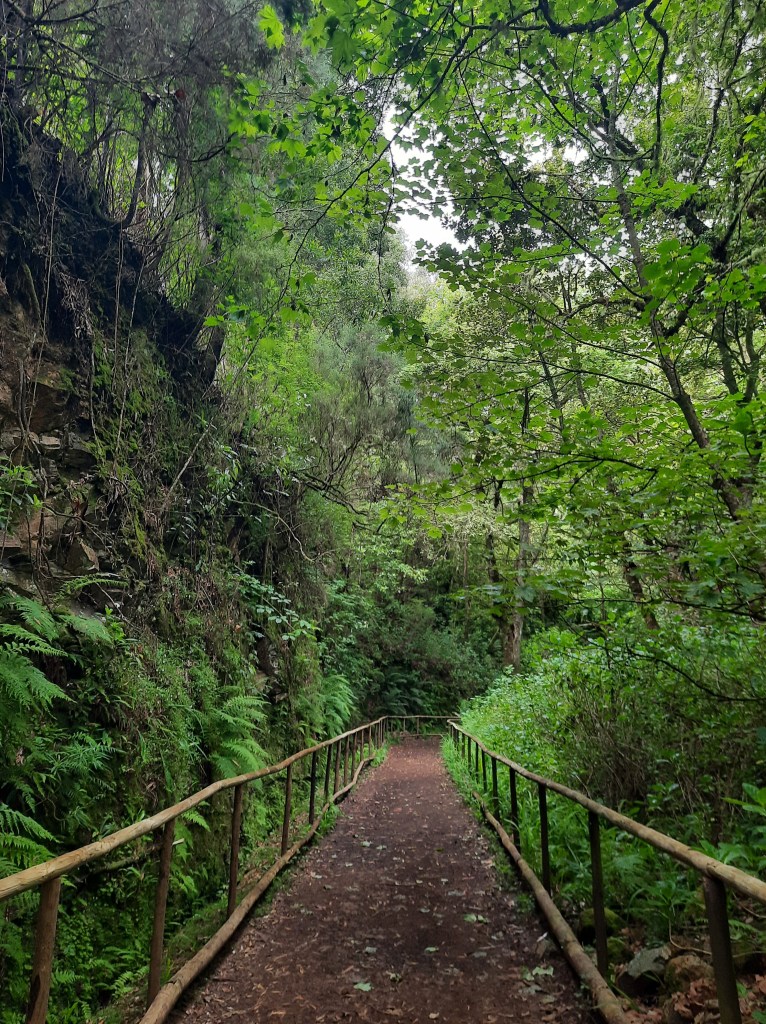
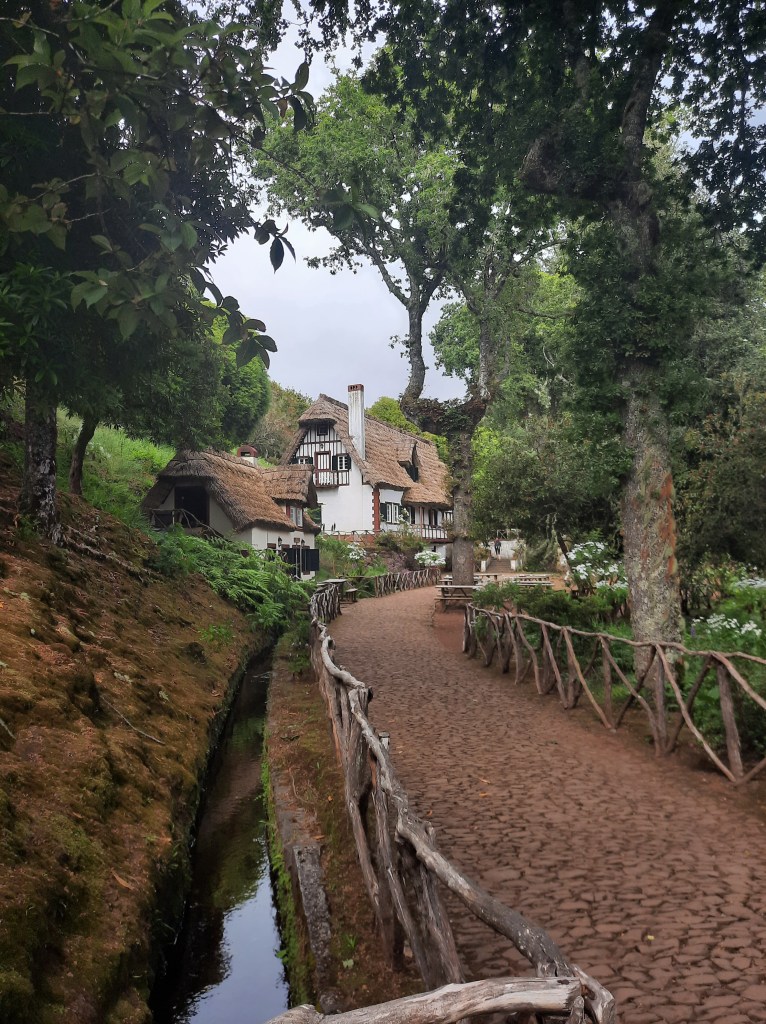
While it is an easy flat hike, the Levada Caldeirão Verde (13km return) is nonetheless tight so when people are walking back, it can cause some delays. Bear that in mind in high seasons and when planning time for your hike.
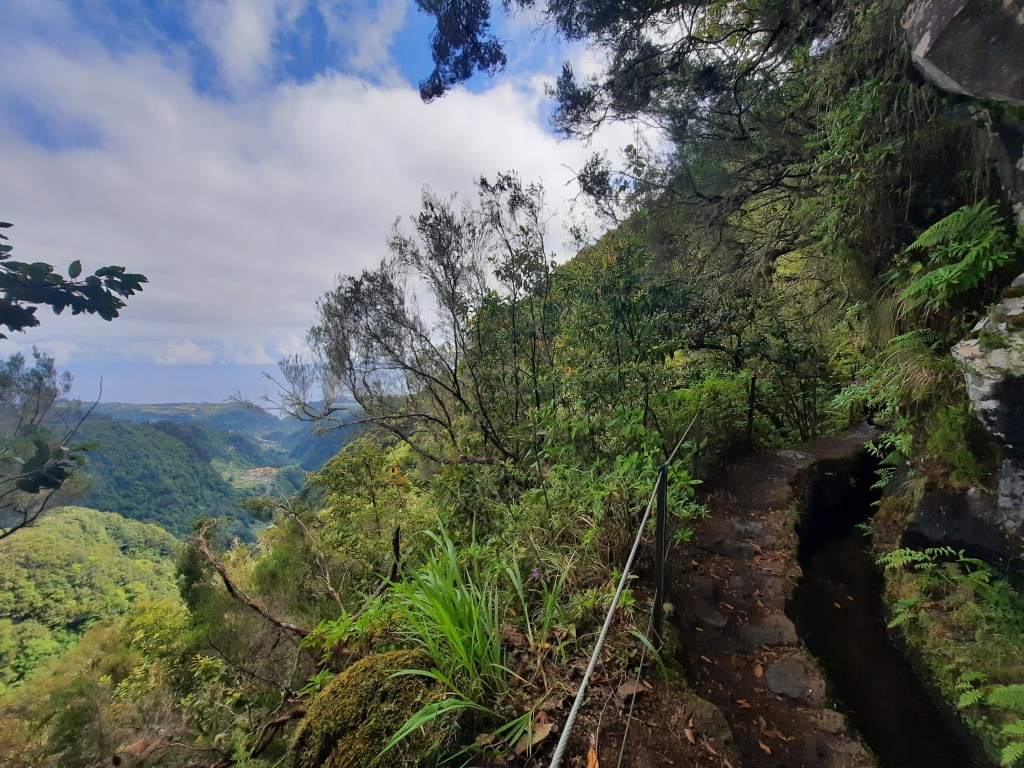
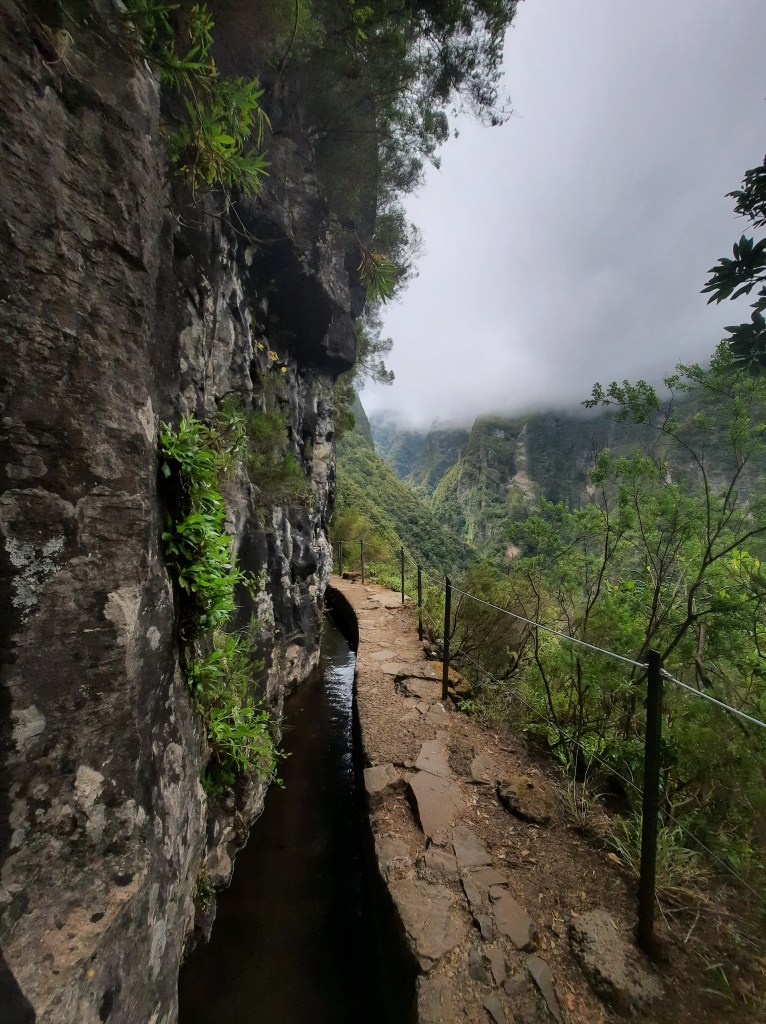
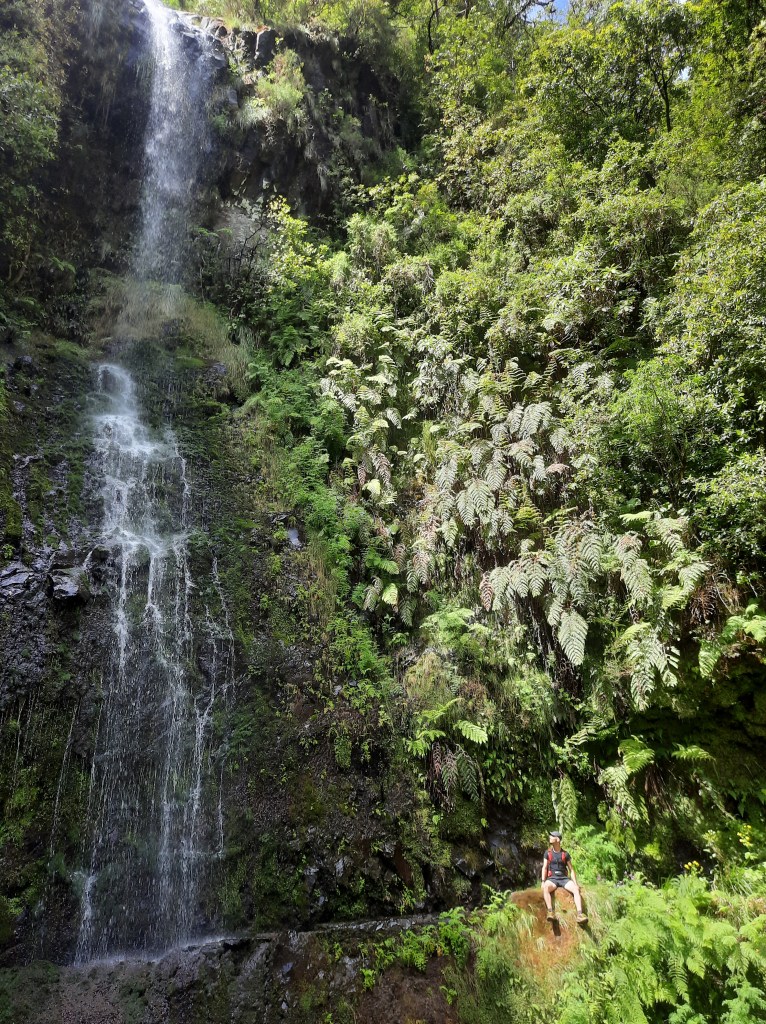
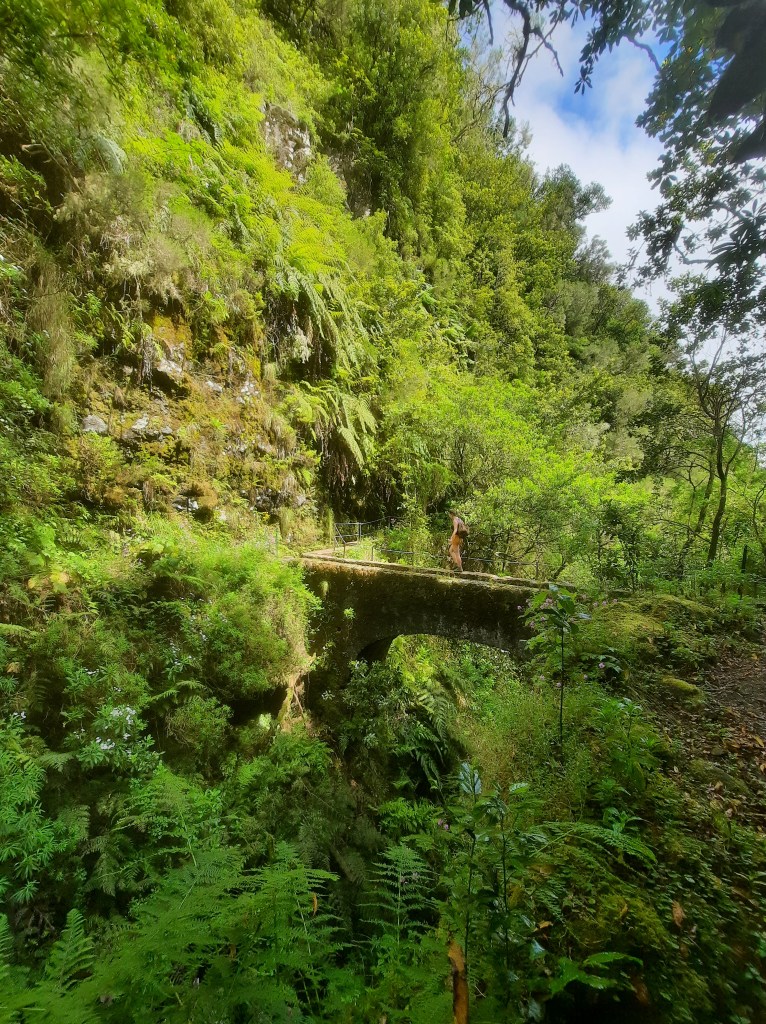
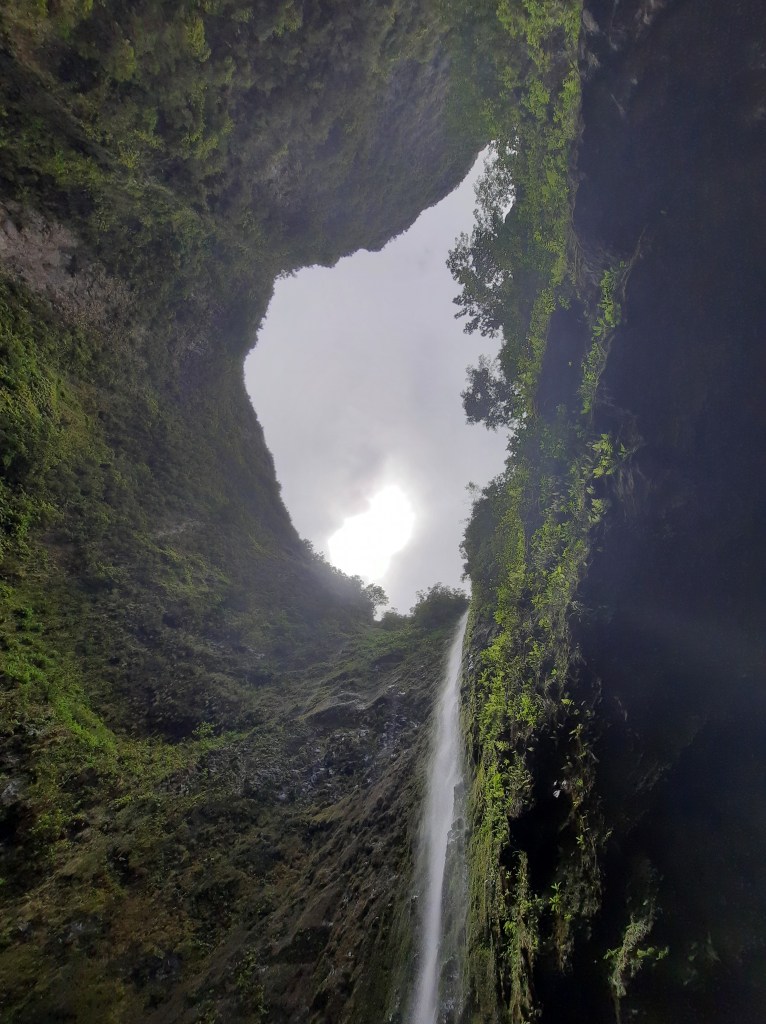
After arriving at Caldeirão Verde, which was busy with people taking pictures, we noticed a sign we didn’t anticipate to Caldeirão do Inferno. This is a tougher hike but was the highlight of the day.
Bear in mind there is no way to get transport from there, so you will have to walk all that back. But think of the delicious Lapas, Bolo do caco and scabbardfish with banana you will deserve afterwards. If you choose to walk all that way, do pack a lot of snacks.
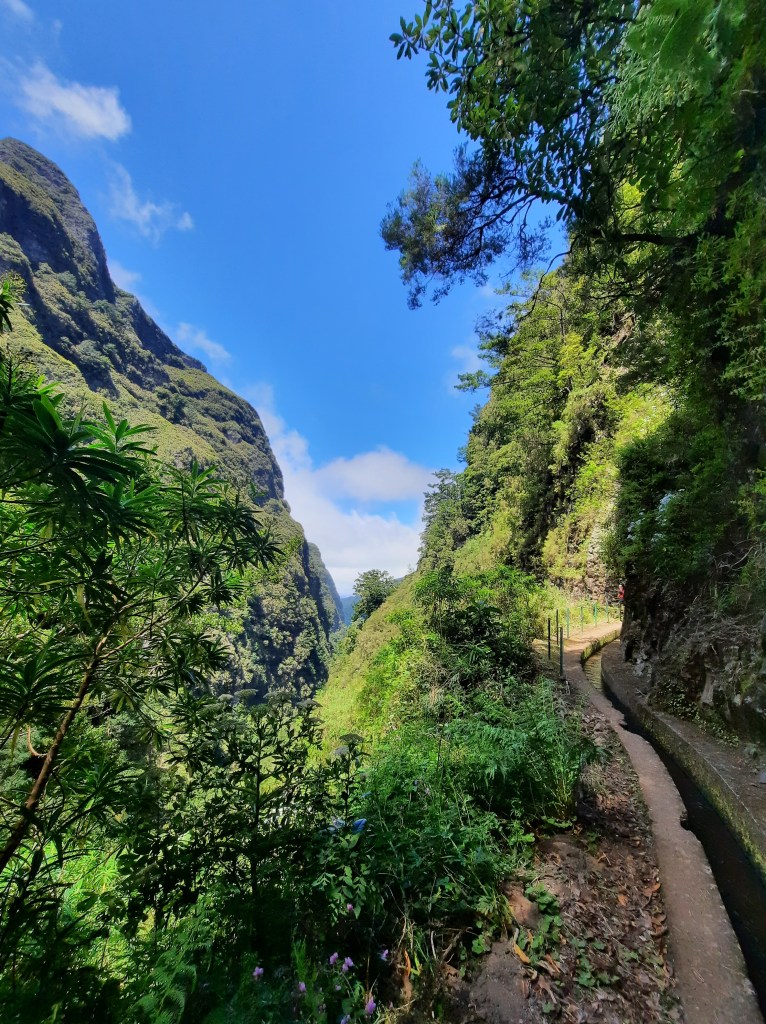
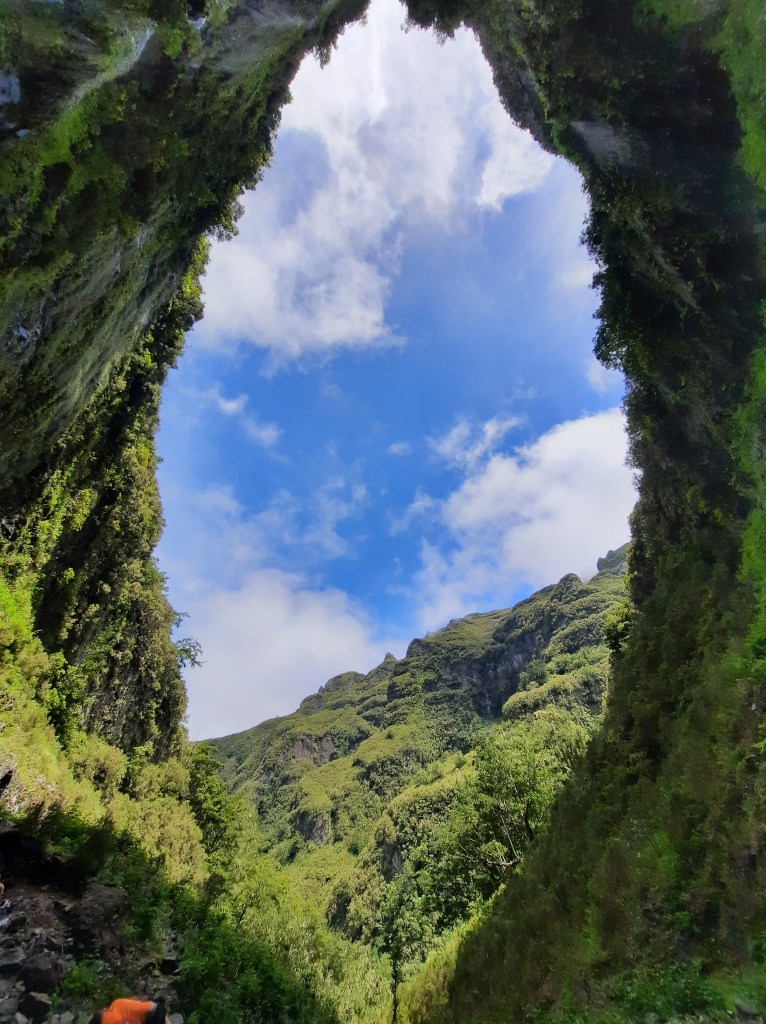
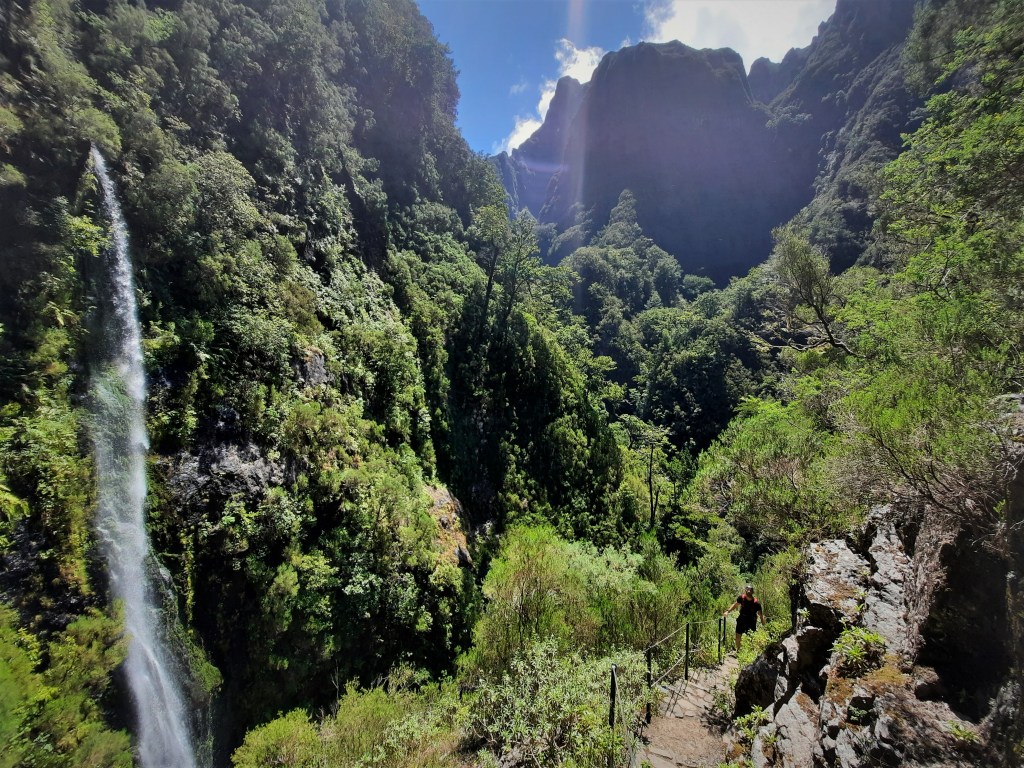
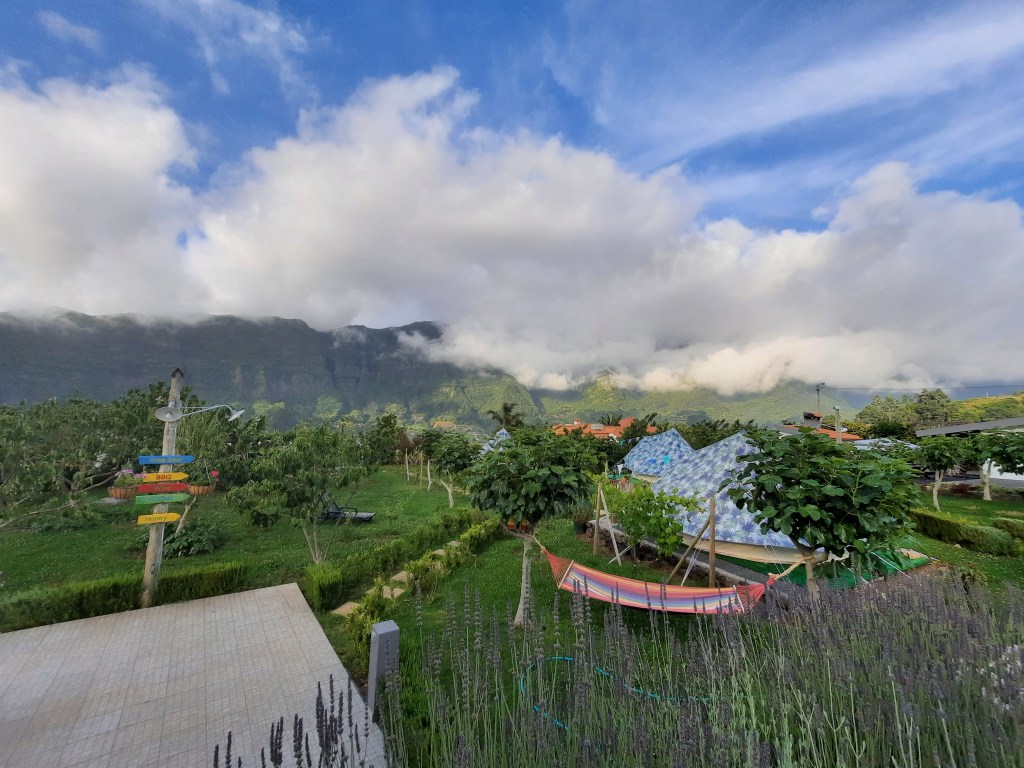
We then drove to the accommodation with the most stunning views which I so highly recommend, Granny’s Farm in São Vicente. This was an hour drive from where we had parked our car but at least we didn’t drive back on ourselves.
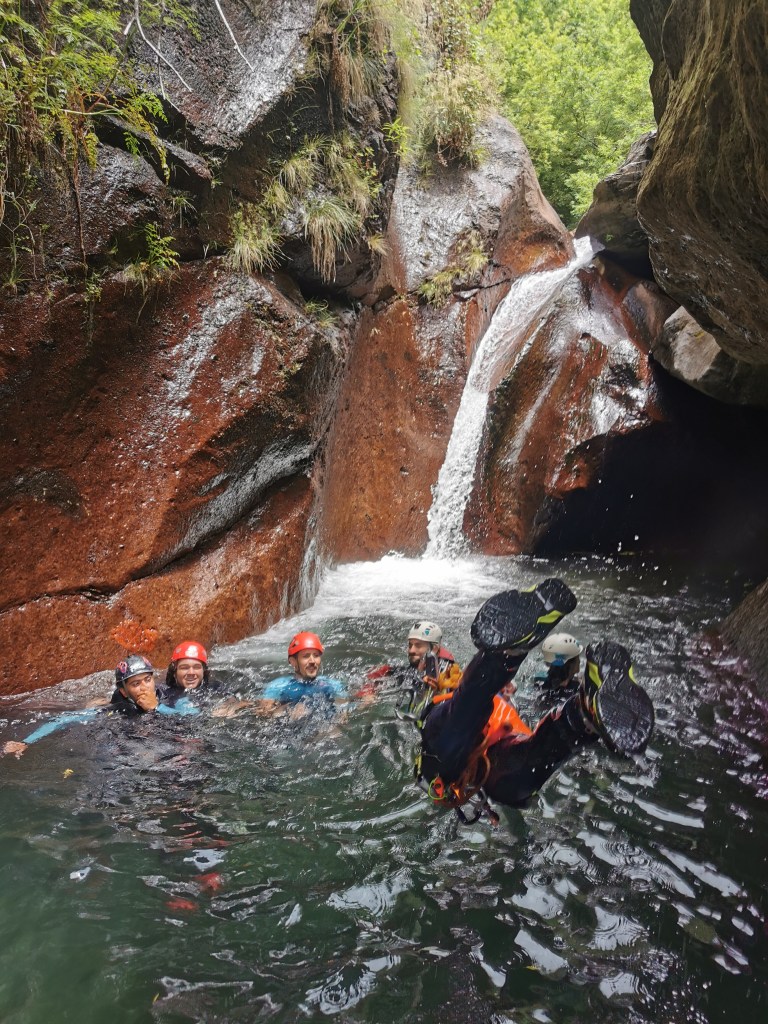
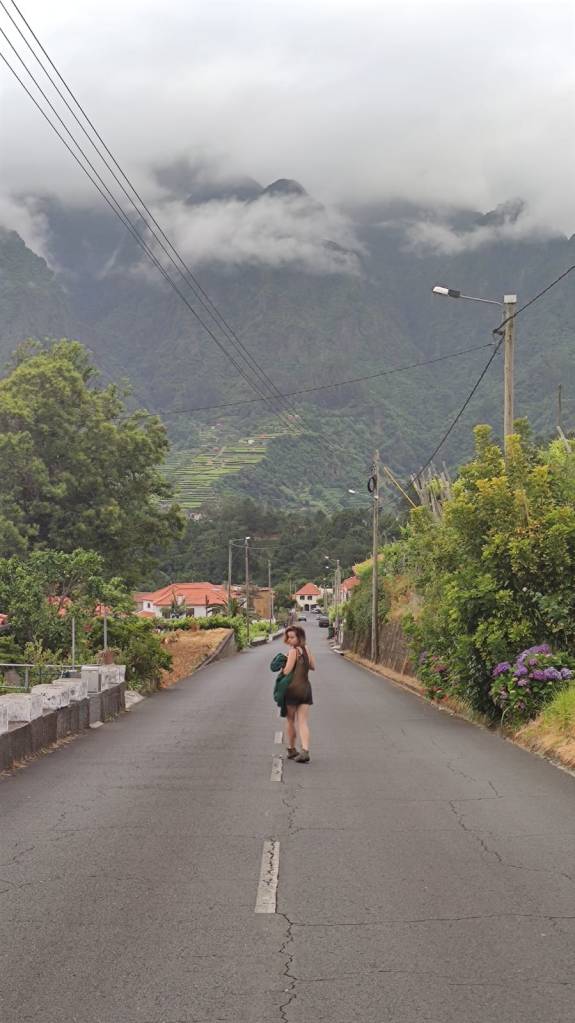
DAY 5 – We got picked up at our accommodation by Epic Madeira for a canyoning day. Before that we decided to buy some snacks and venture ourselves up the hill where we were chased by a goat that escaped from one of the houses. This was before 8am and my cousin and I were running down the hill screaming for help (in English…) with an enormous male goat behind us. We took a turn into the courtyard of one of the houses and attempted to hide behind a car. The goat jumped on top of the vehicle and we found ourselves between the car and the wall yelling HELP (yes, in English and again, this was before 8am no less). A woman still in her dressing gown looking very much asleep opened the door in horror and urged us to come inside in some Portuguese word choice we certainly understood. The goat, still dragging his heavy chain, ran to the door and then jumped on top of the house echoing the sound of the chain all over the roof. Finally the lady managed to find out the owner’s phone number and asked him to come. He would have had this goat since it was much smaller than him and obeyed when he grabbed him.
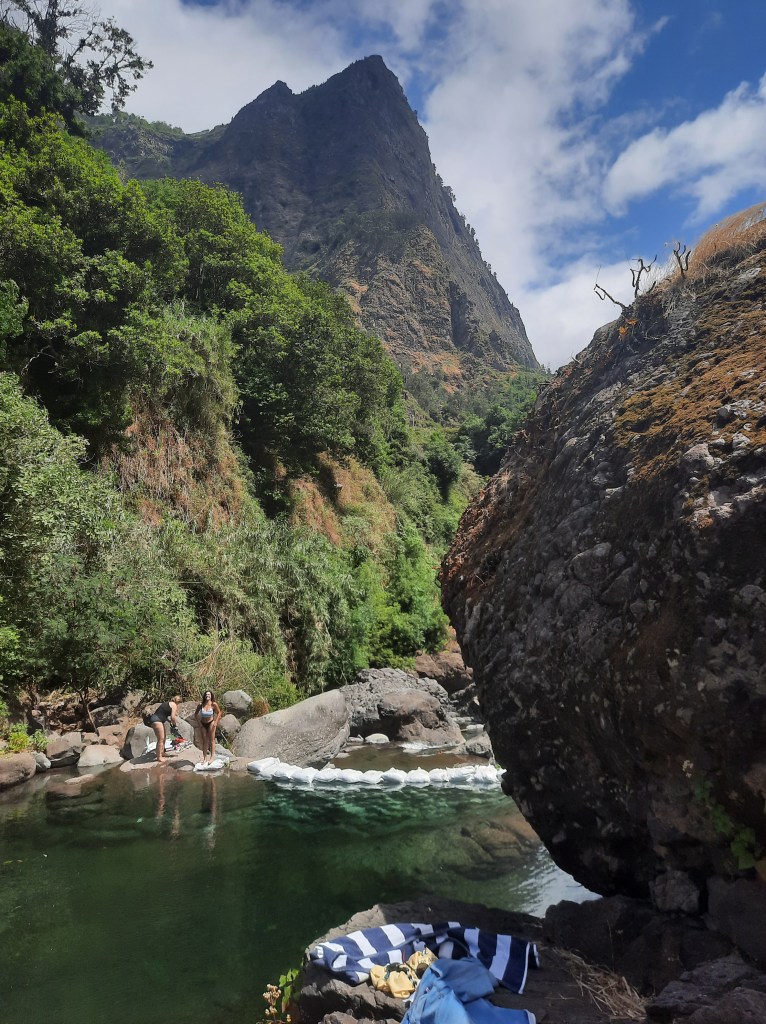
After the meal, the restaurant staff took us to their secret swimming spot, a location only locals would know. After swimming in the river, they took us to La Perla, their restaurant specialised in their local produce of chestnuts (Castanha in Portuguese). They had reimagined what could be done with a nut that was wasted year after year and developed their very own recipes with it.
goat in São Vicente
So we didn’t manage to buy any snacks but Epic Madeira provided everything. We ended up being the only non-Portuguese people in the group. Besides two Portuguese soap opera stars we were grouped with the staff of a family run restaurant on their team building day. Not only did we learn a lot of the language that day but we learned about Madeirans relationship and impression of mainland Portugal and likewise of these city tourists from Lisboa of the life in the Island. The four member team from Epic Madeira, the actors, the staff of the restaurant and us ended up having lunch together. Some very traditional delicacies that we were terribly embarrassed not to be able to appreciate as we were both vegans making fish, dairy and egg exceptions while being in remote areas where everything being locally sourced was certainly a way to contribute to the local economy.
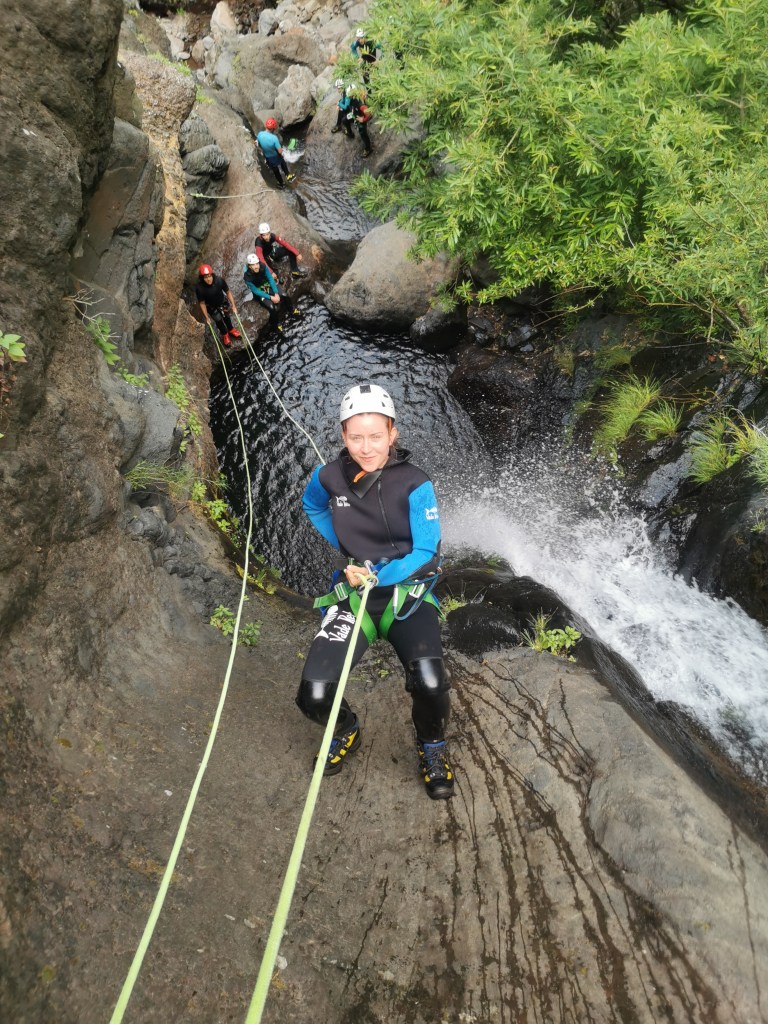
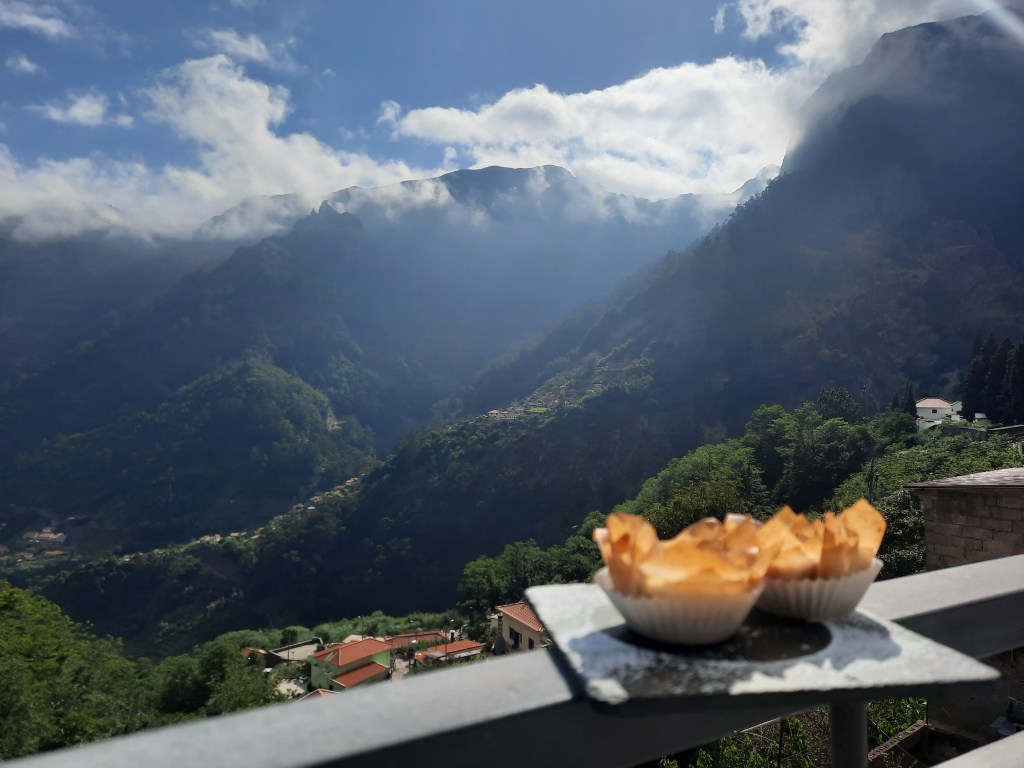
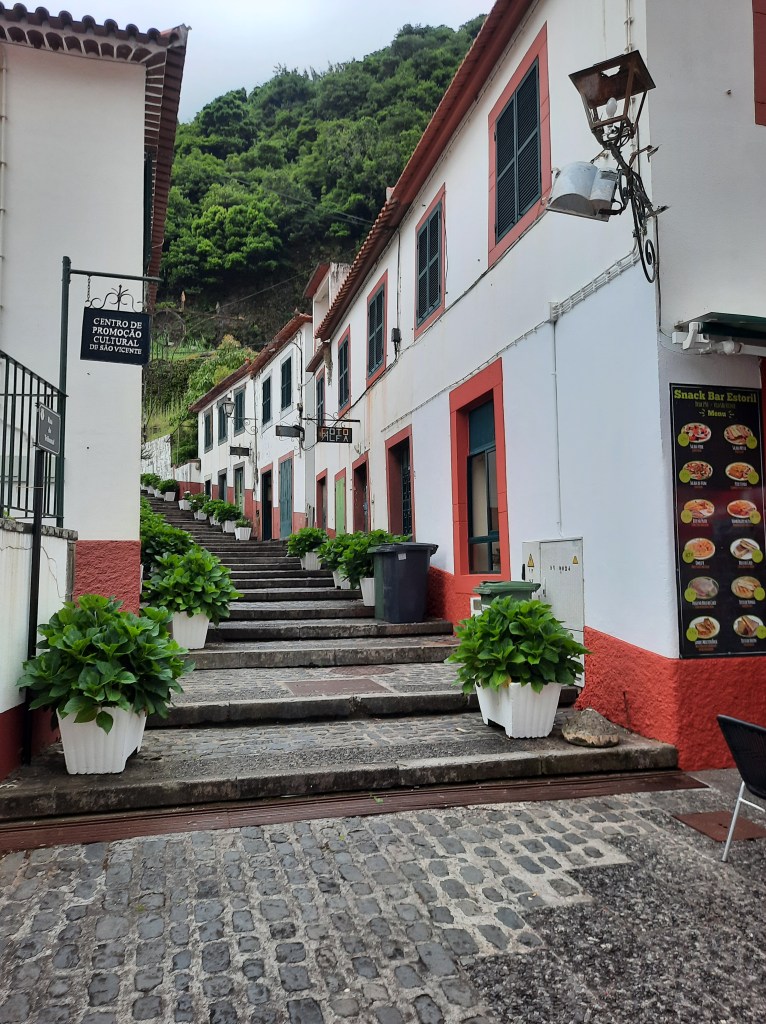
We spent two nights in our next accommodation in São Vicente, a lovely spot called North Coast Guest House.
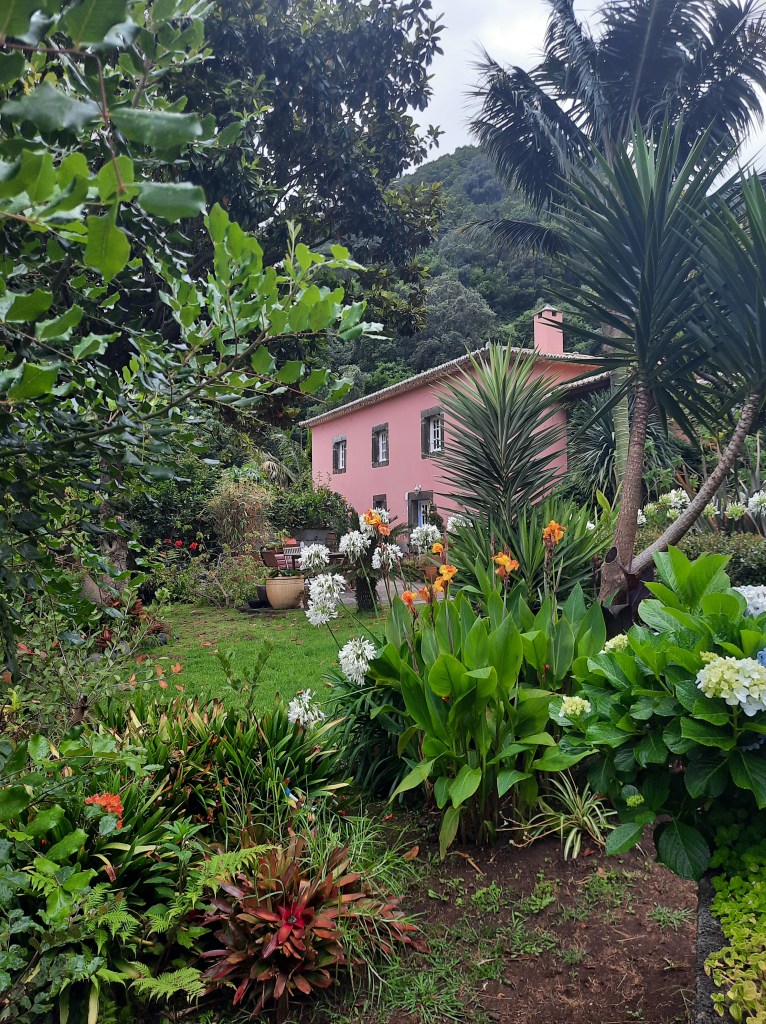
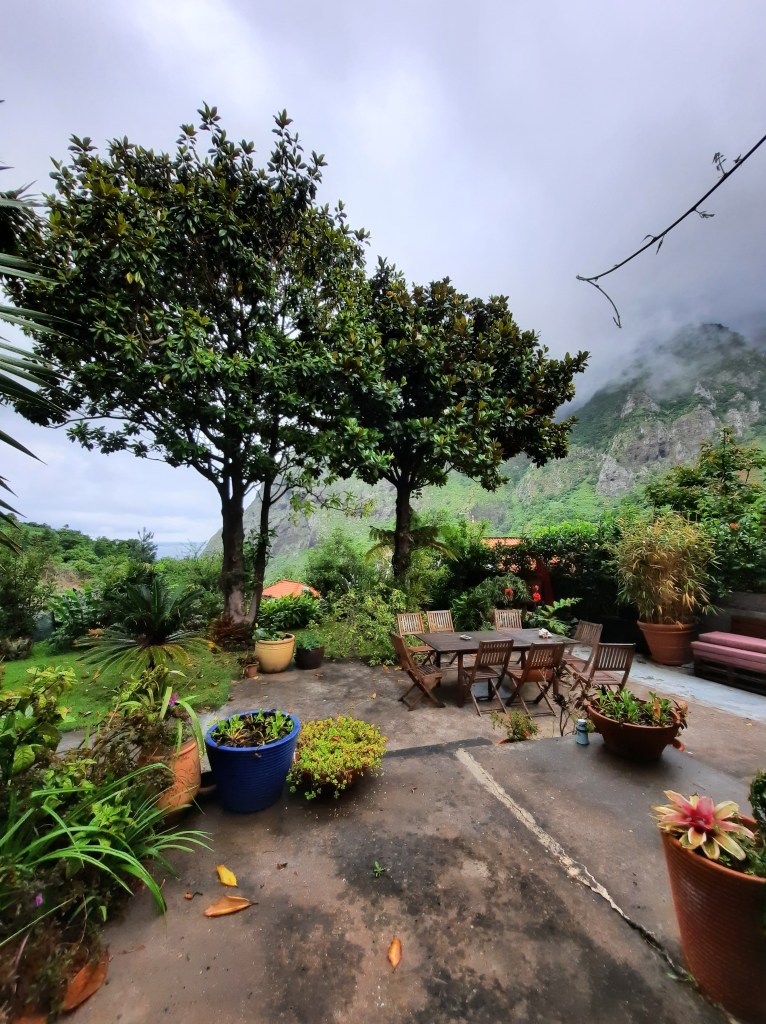
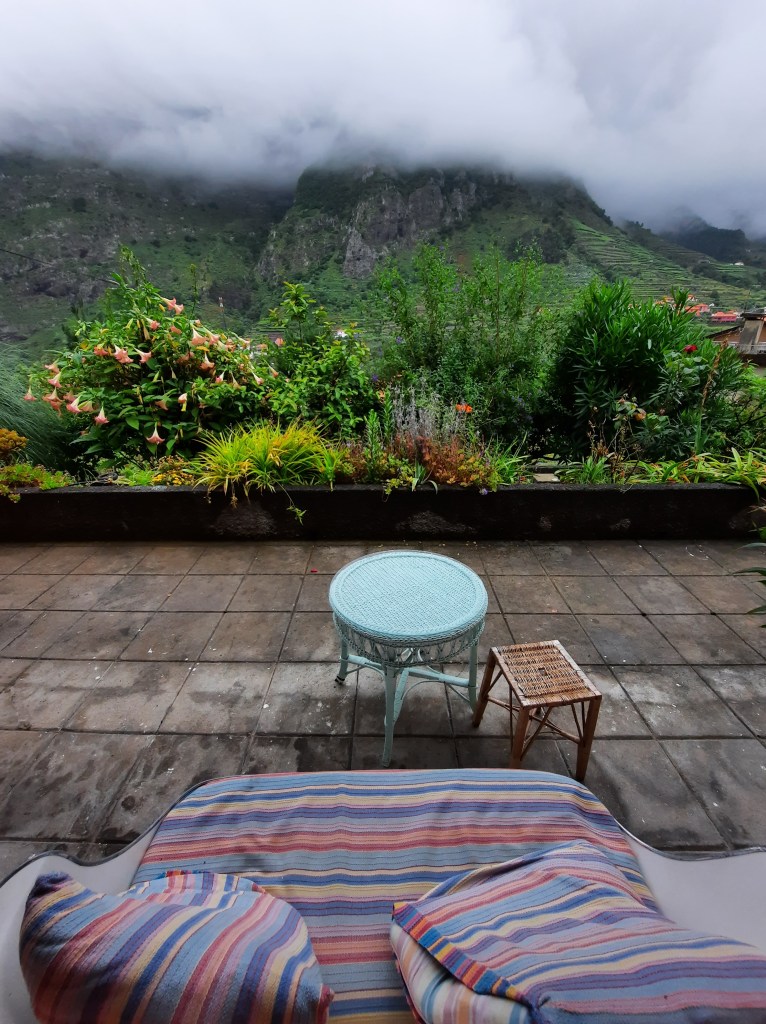
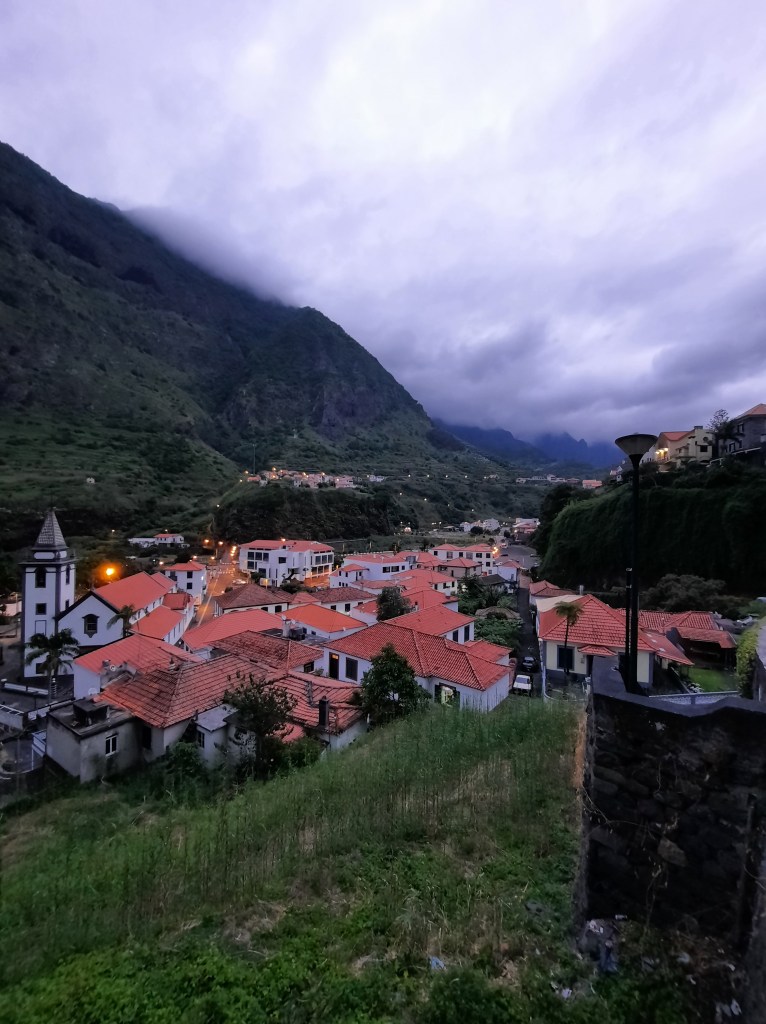
Day 6 – We decided to stay in São Vicente because we loved the feel of the village, the views of the valley and its proximity to our next destination.
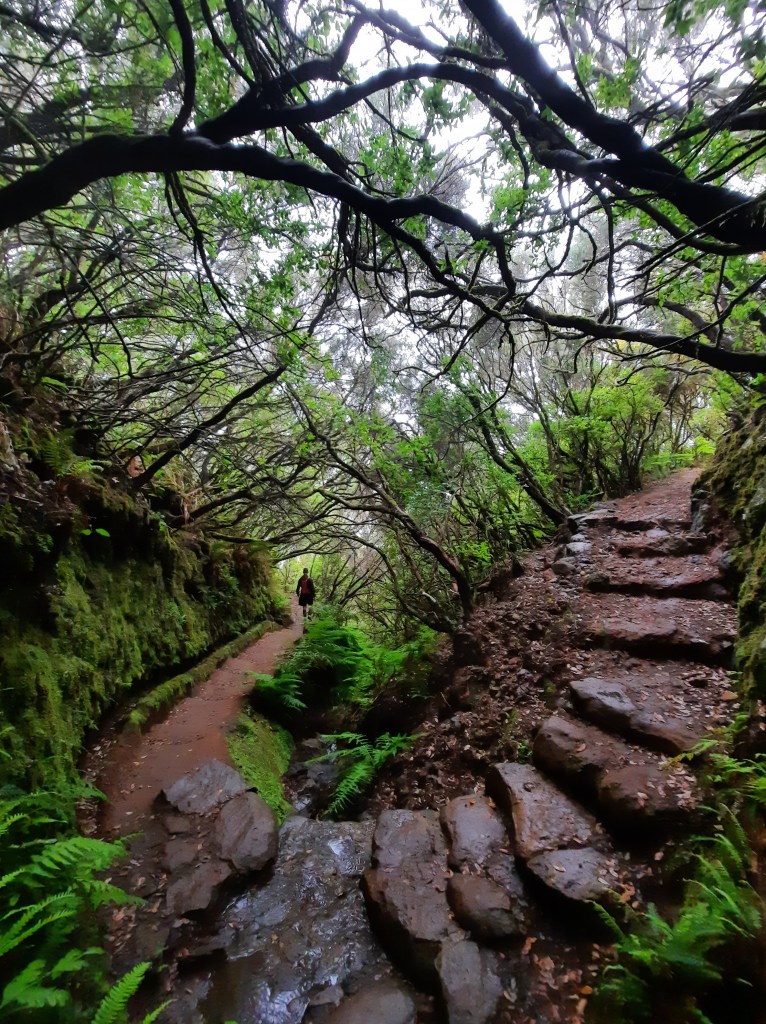
Driving to the trail of Chao dos Louros took us only 16 minutes. That location links several levadas to the 25 Fontes Falls and Risco Waterfall. The route here is less clear as there are multiple ways, but that makes for a lot of fun and the opportunity to engage with other people hiking to ask where they have walked to and from. We had downloaded maps but we wanted to get lost and we did, a few times. However, every route you take is clear, safe and signposted so if you get lost, you will still be in some trail and it is easy to simply walk back on your steps to the last split of the path.
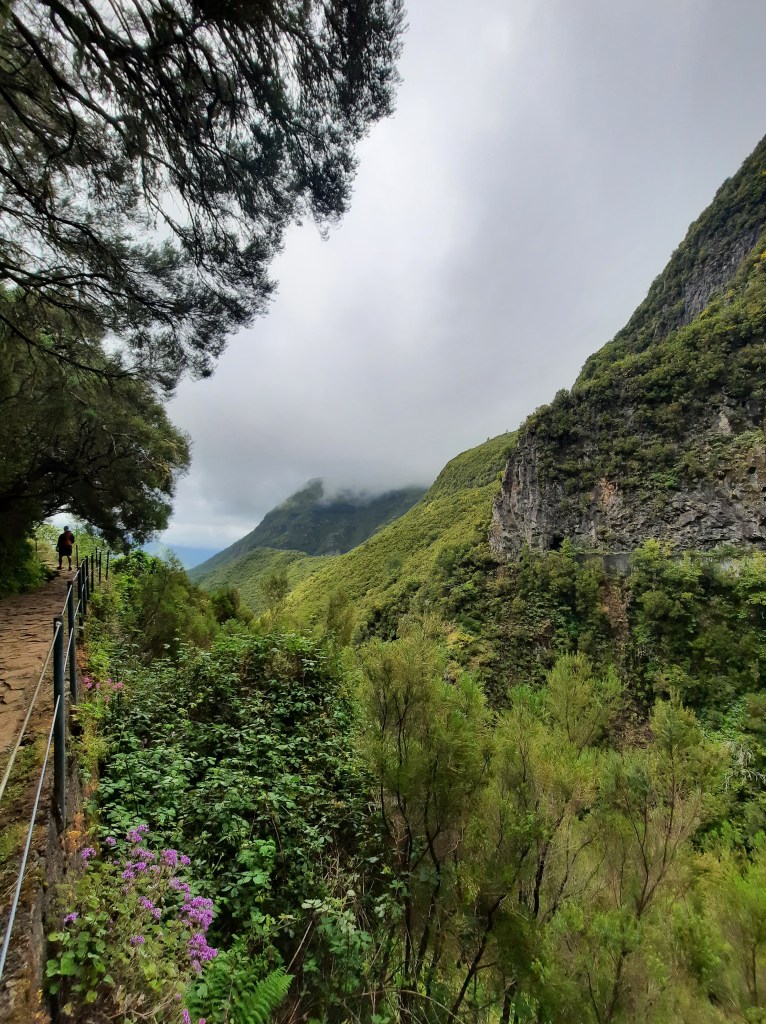
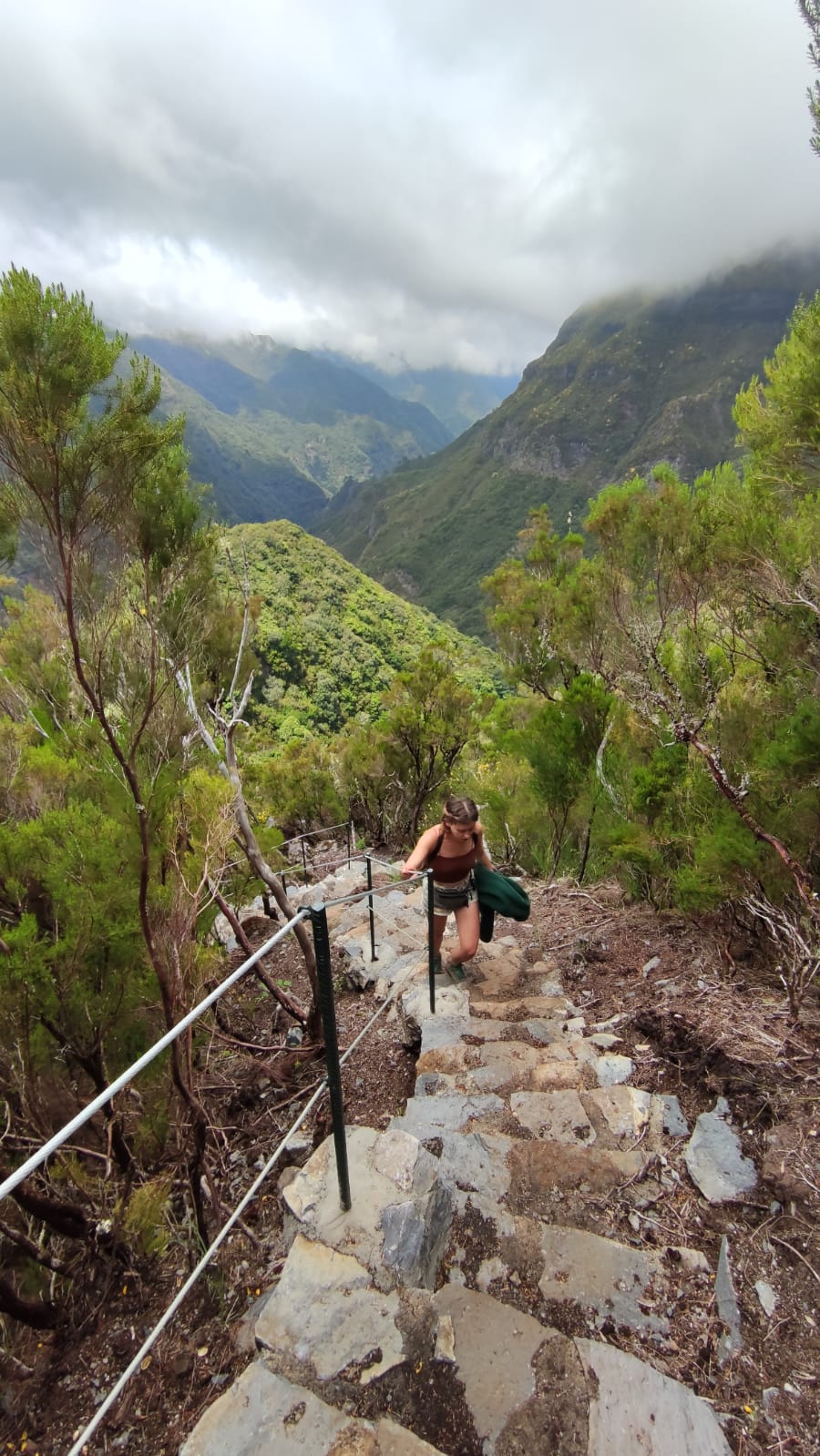
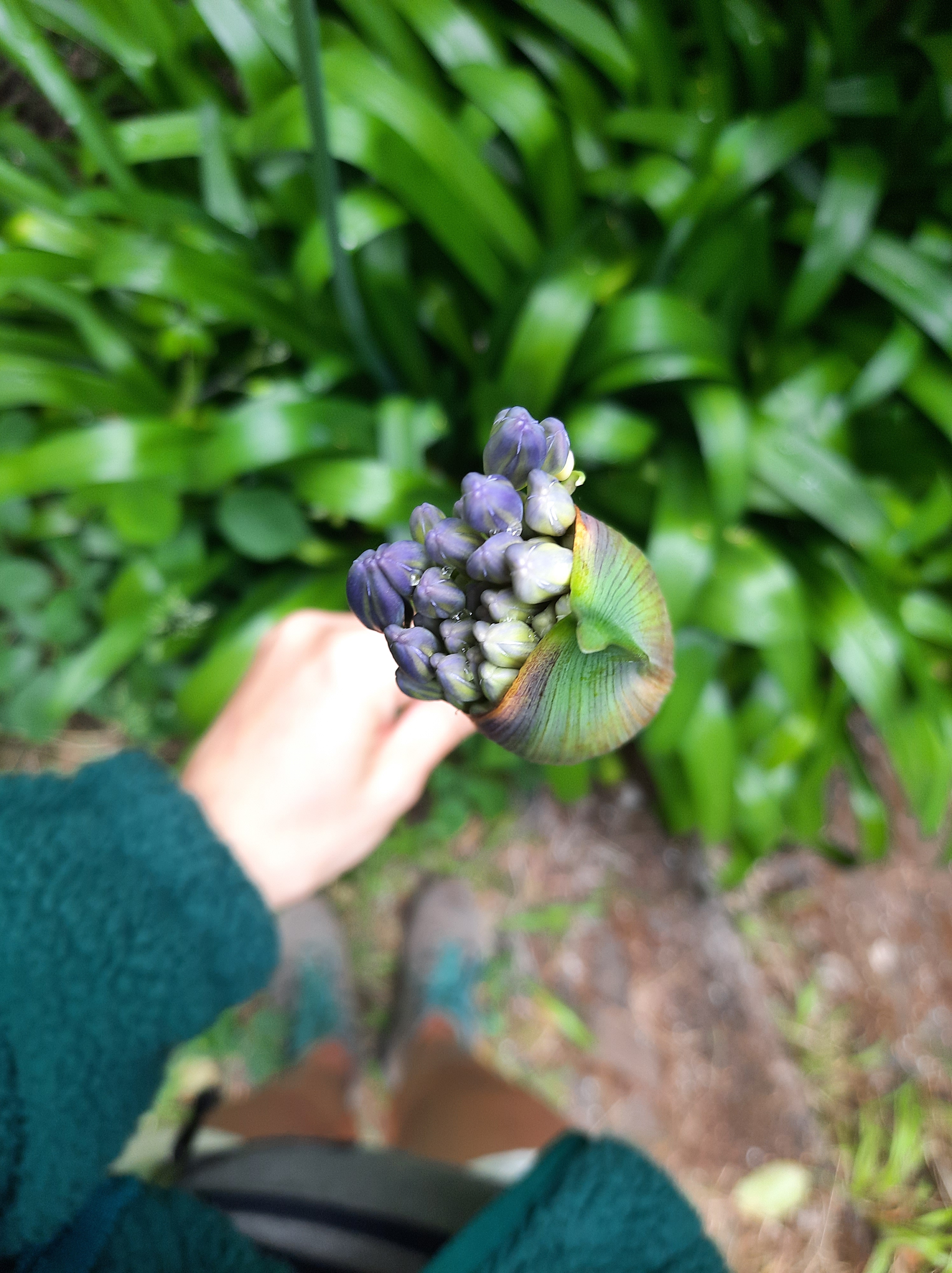
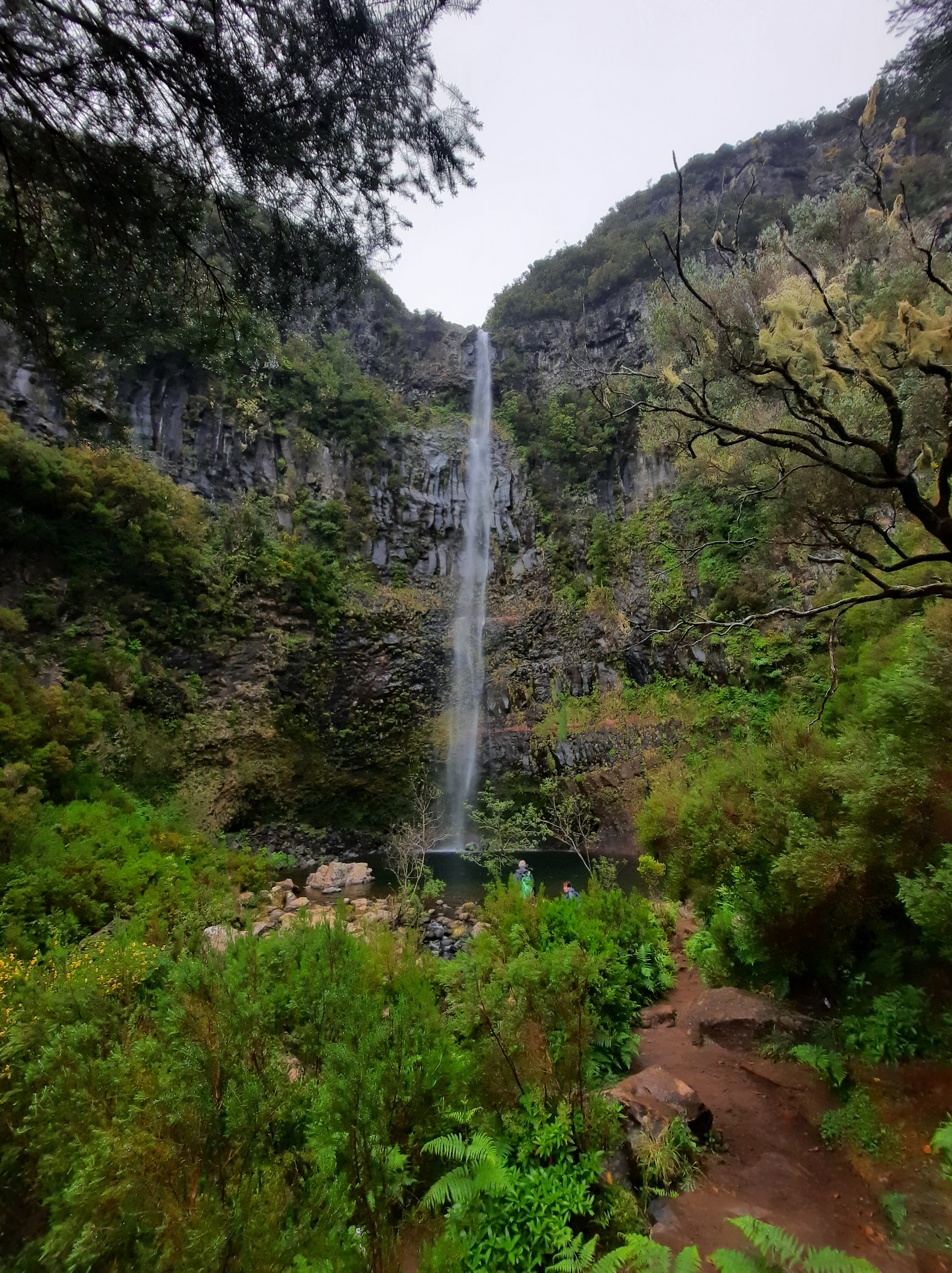
DAY 7 – This was designed to be another beach day in the sun but that was not the case in the north of the island where we had been staying. The rain was torrential in places but in such a mountainous island like Madeira, the weather can be completely the opposite a few metres away. We still visited Seixal and its natural pools (13 minutes drive away from our accommodation) but as you can see below, the weather didn’t make for a beach day so we decided to instead explore more towns around the island and begin our descent to the sunny southern coast.

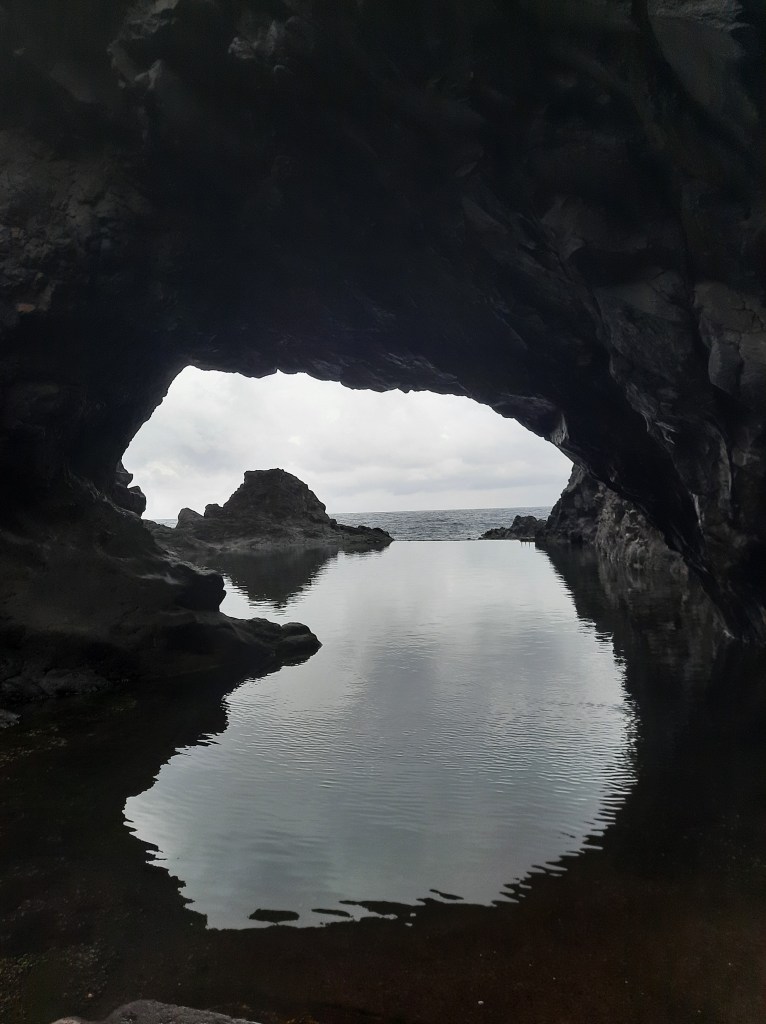

Before we headed south we made one last stop in the less popular northern coast of Madeira and checked the more popular village and natural pools of Porto Moniz (14 minute drive from Seixal).
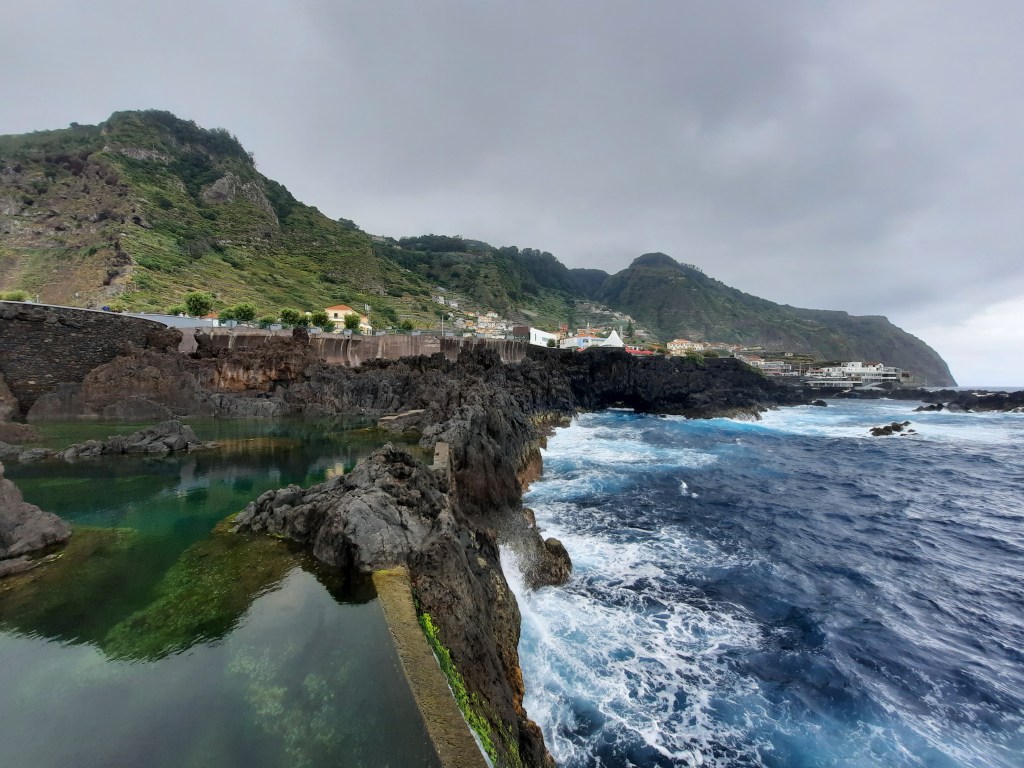

On our drive to Paul do Mar we wanted to stop at Ponta do Pargo but the visibility in the most western edge of the island was blinding and we drove to meet the sun again at Paul do Mar. We spent the rest of the day absorbing the missed sun, exploring the village and eating.
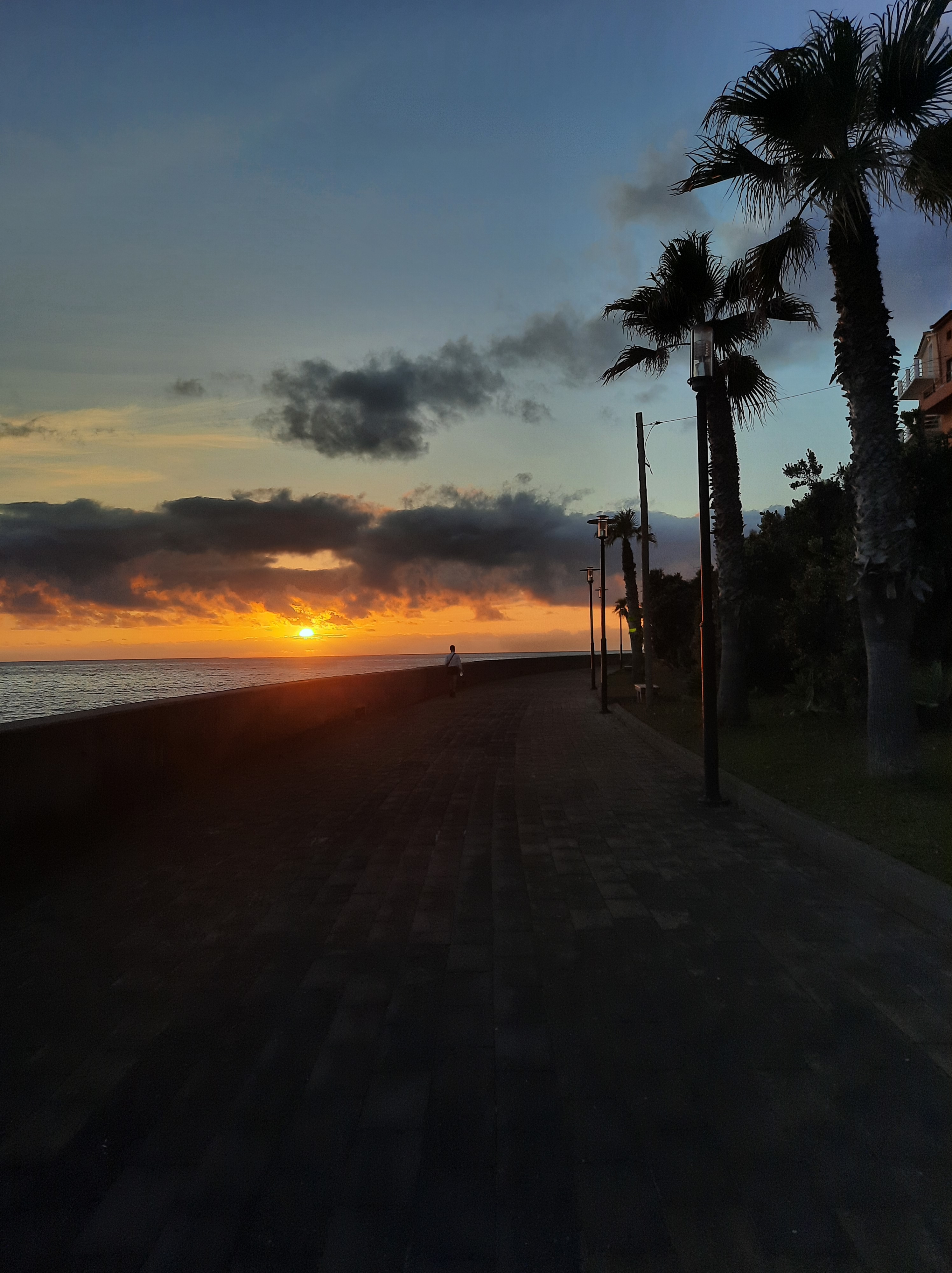
And finally, after days of early starts to catch the sunrise and failed attempts to see the sunset, we got the most epic descent of the sun behind the waves and the warm breeze of the south (looking back at the pictures I have definitely witnessed much better sunsets but my recollection of the moment was magical).
Had we had more time, we would have explored more beaches in the south but we read it was rather more touristy and we were there for the hikes.
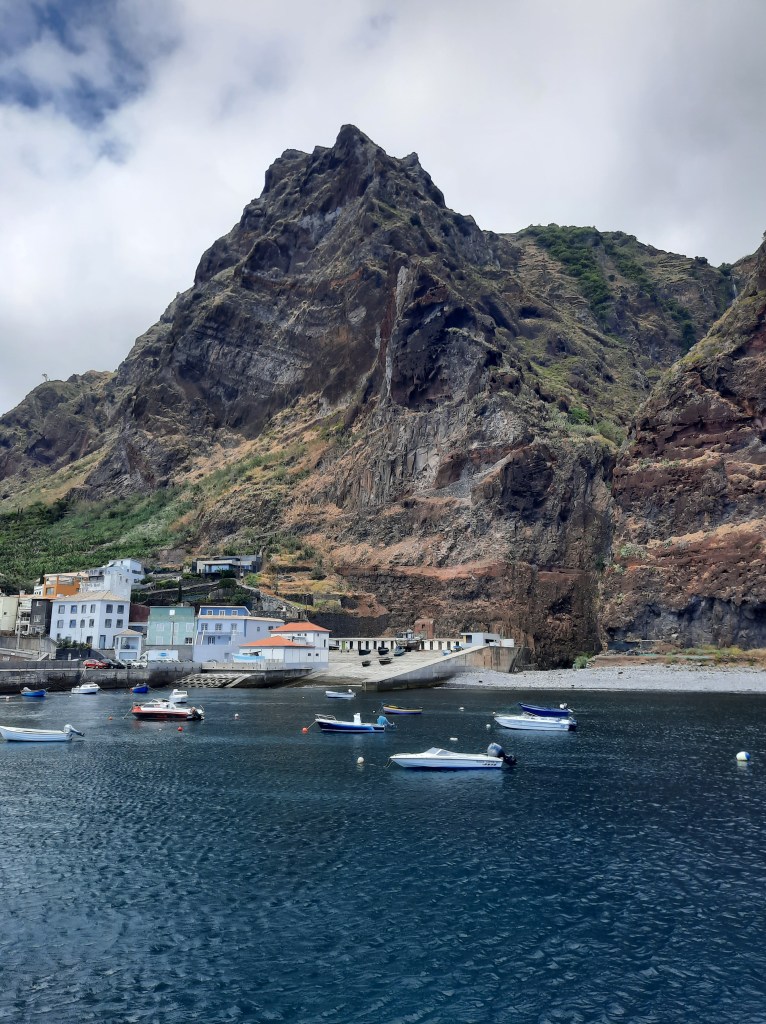
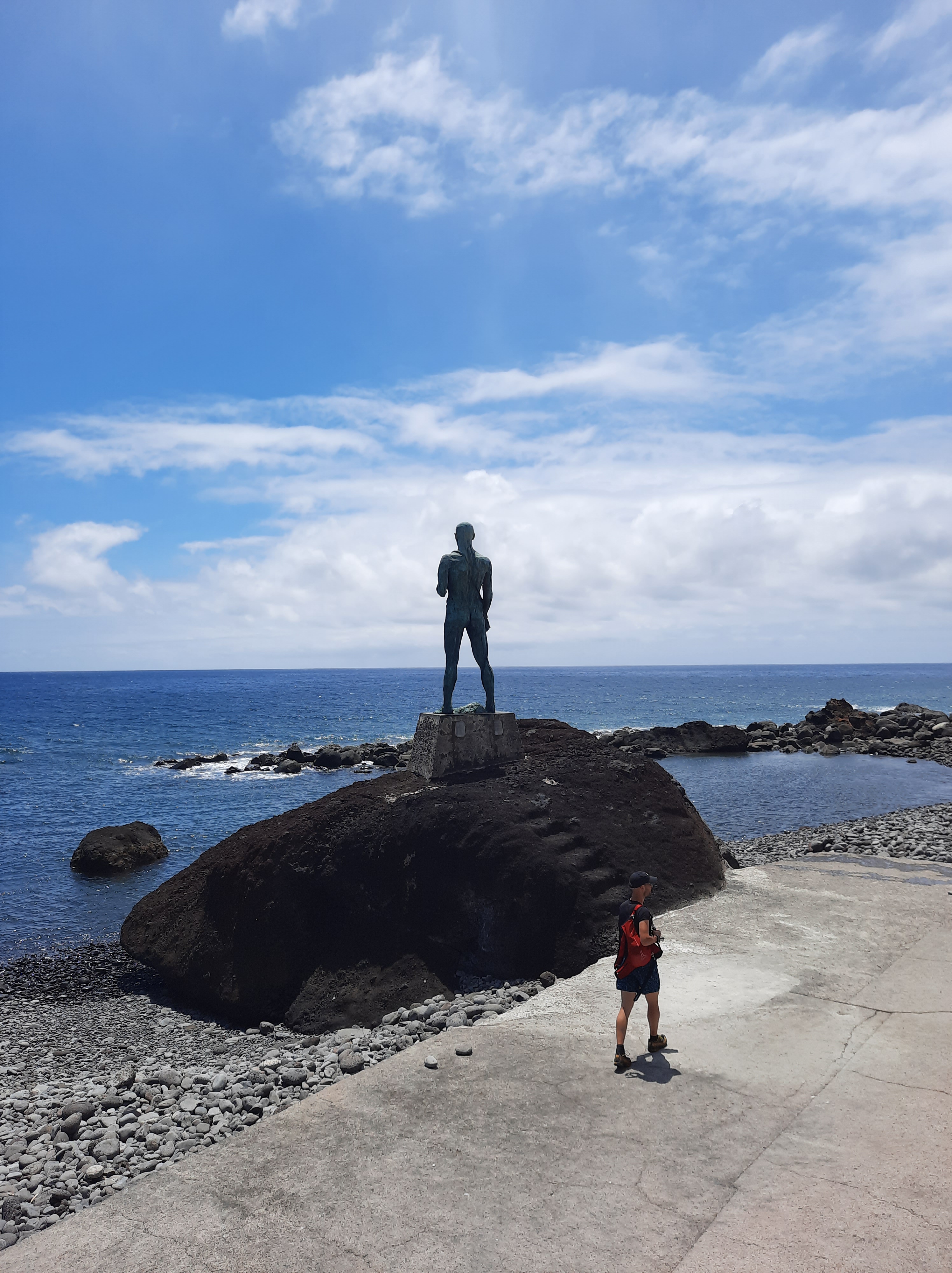
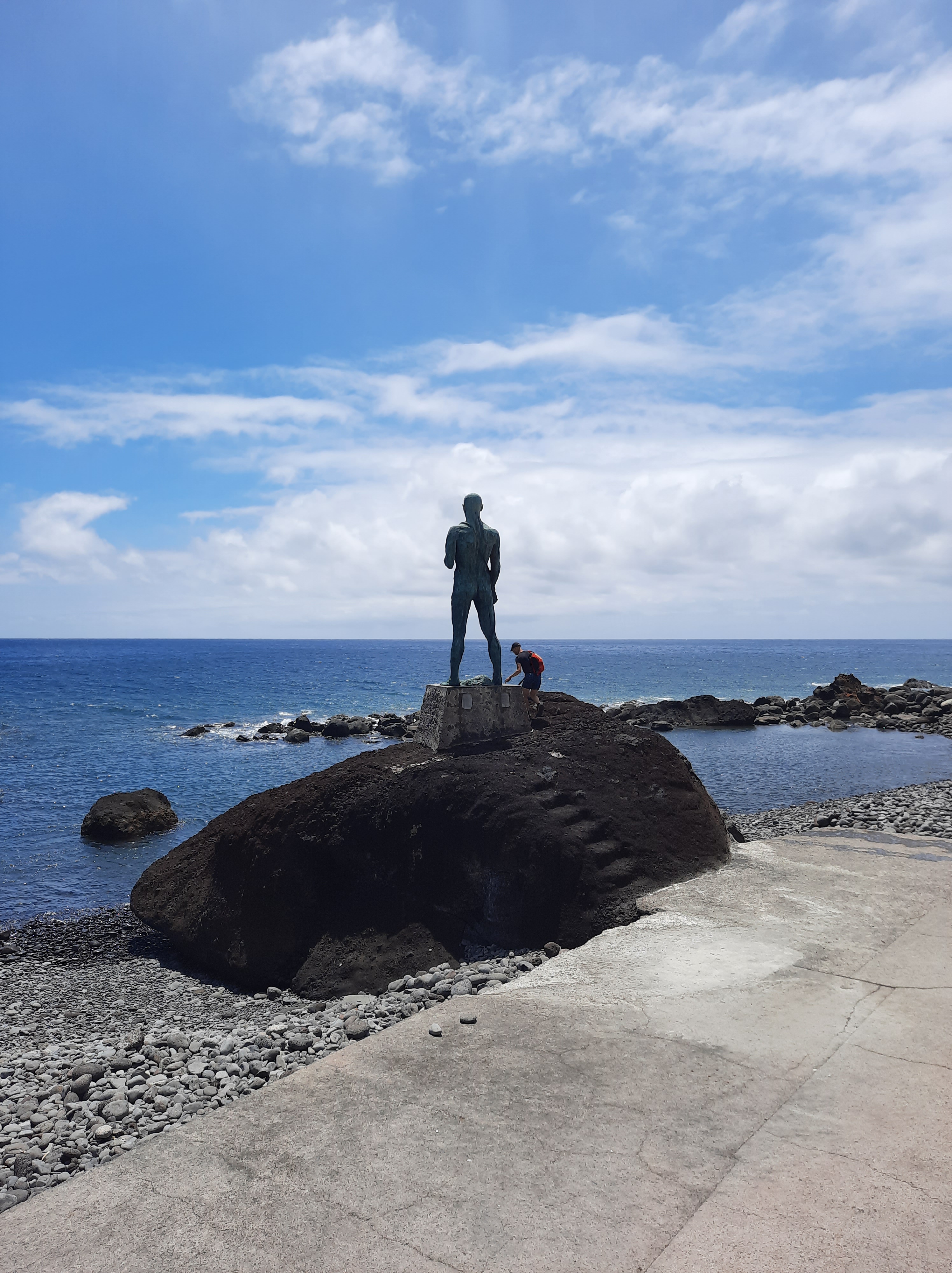
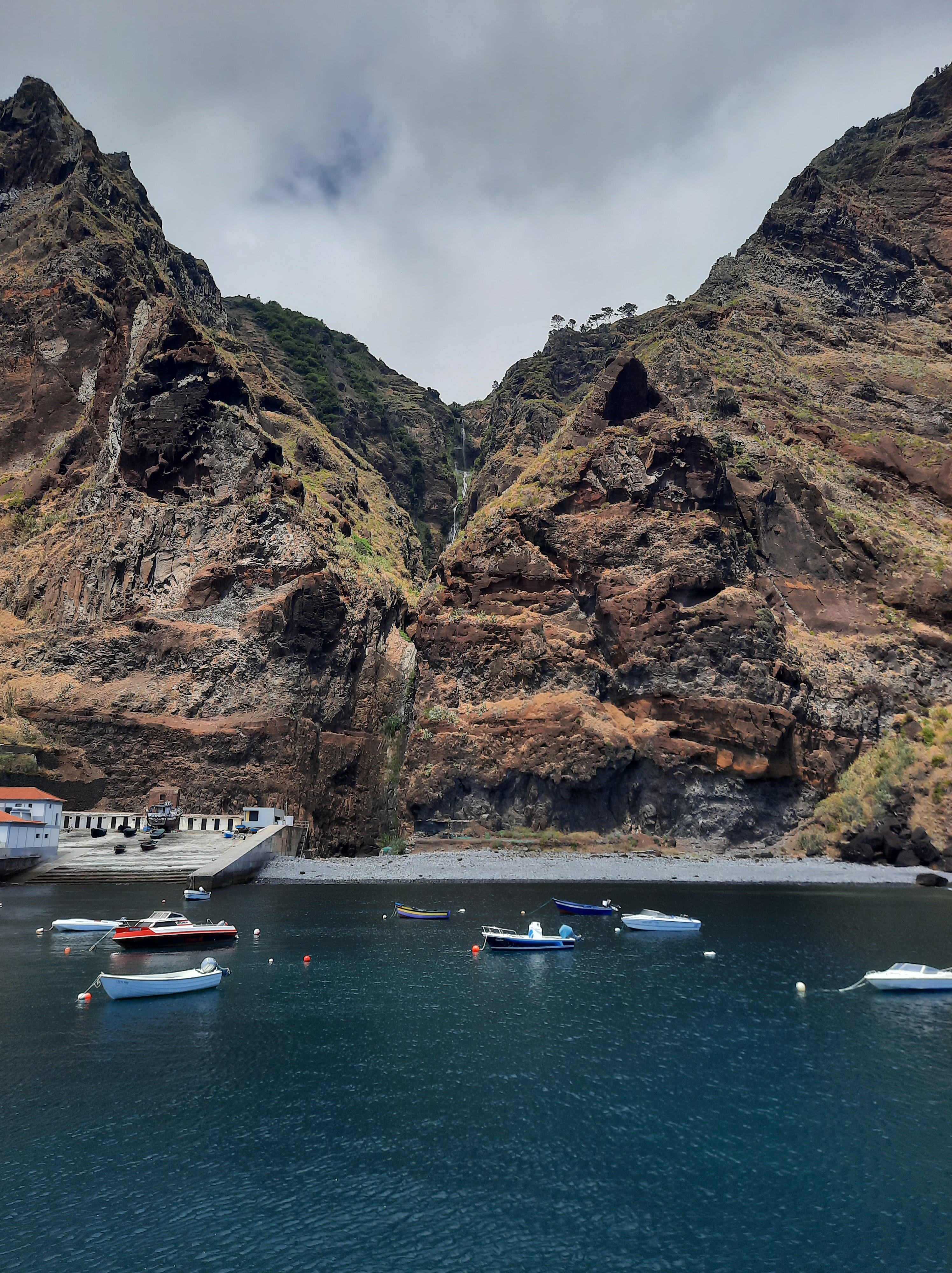
DAY 8 – We drove to Funchal, dropped the car at the airport and got the bus to the city. While the centre is pretty, I thought that the almost depopulated remote villages of the north had way more character. We noticed the average age of those towns was very high with barely any young people at all. We wondered if that was the case for the whole island and whether people were migrating to mainland Portugal. But then we arrived at the city of Funchal and realised the villages in the north were at risk. While being a close drive away from the capital, they cannot offer what the city does for young people leaving those villages with less resources and the elderly people with much less support. Agriculture and fishing are tough industries and most of the tourists spend their stay in the capital.
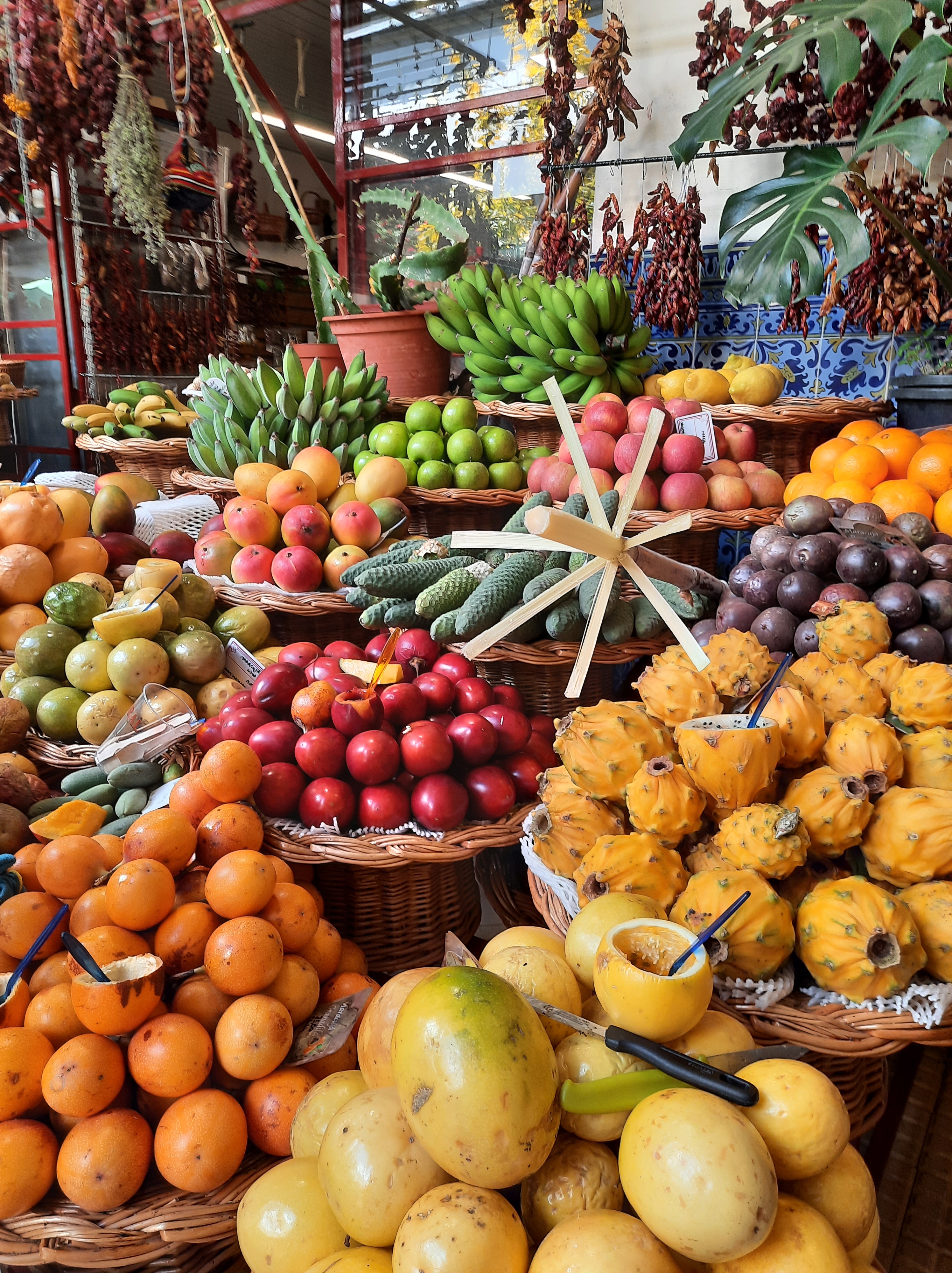
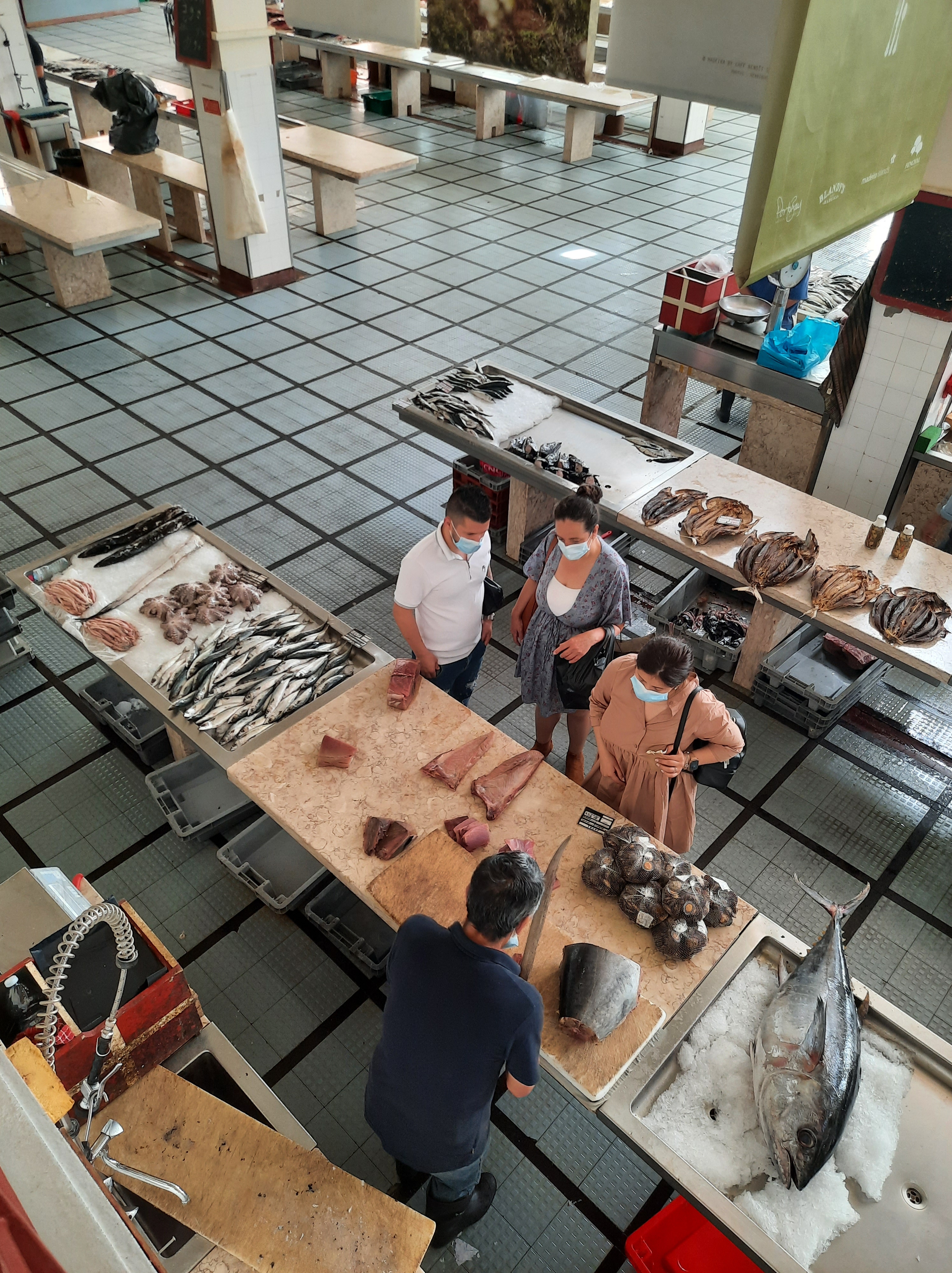
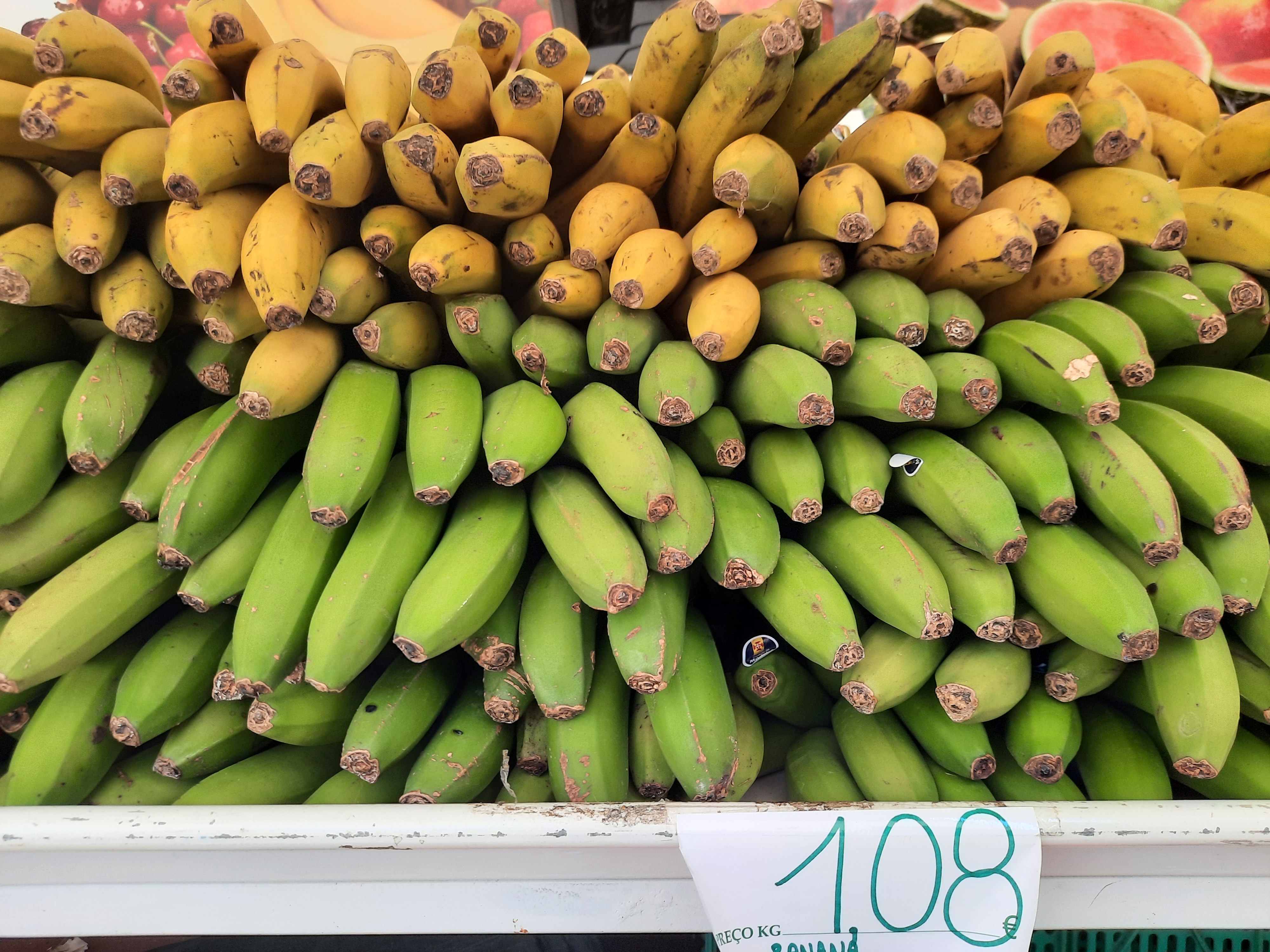
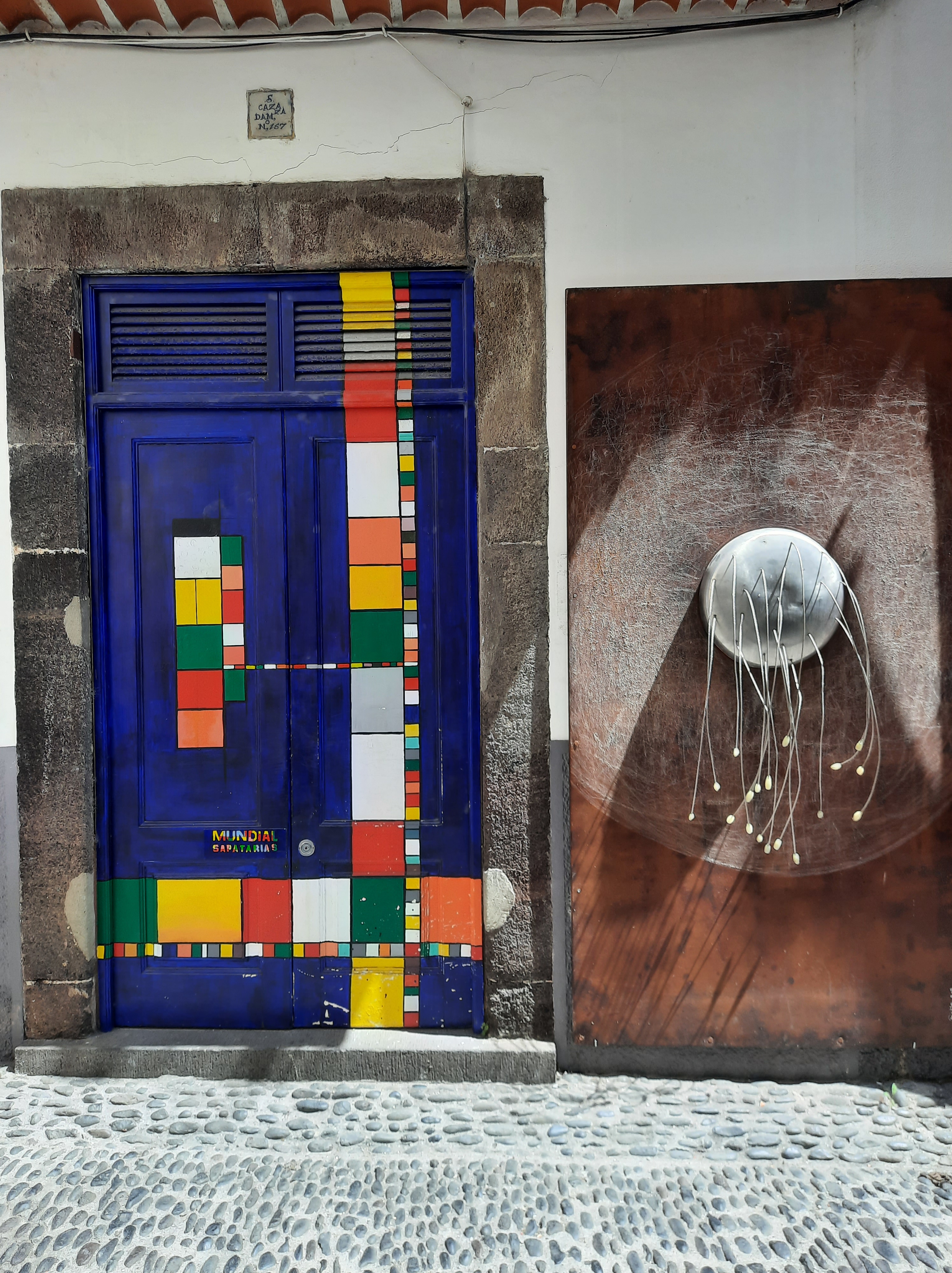
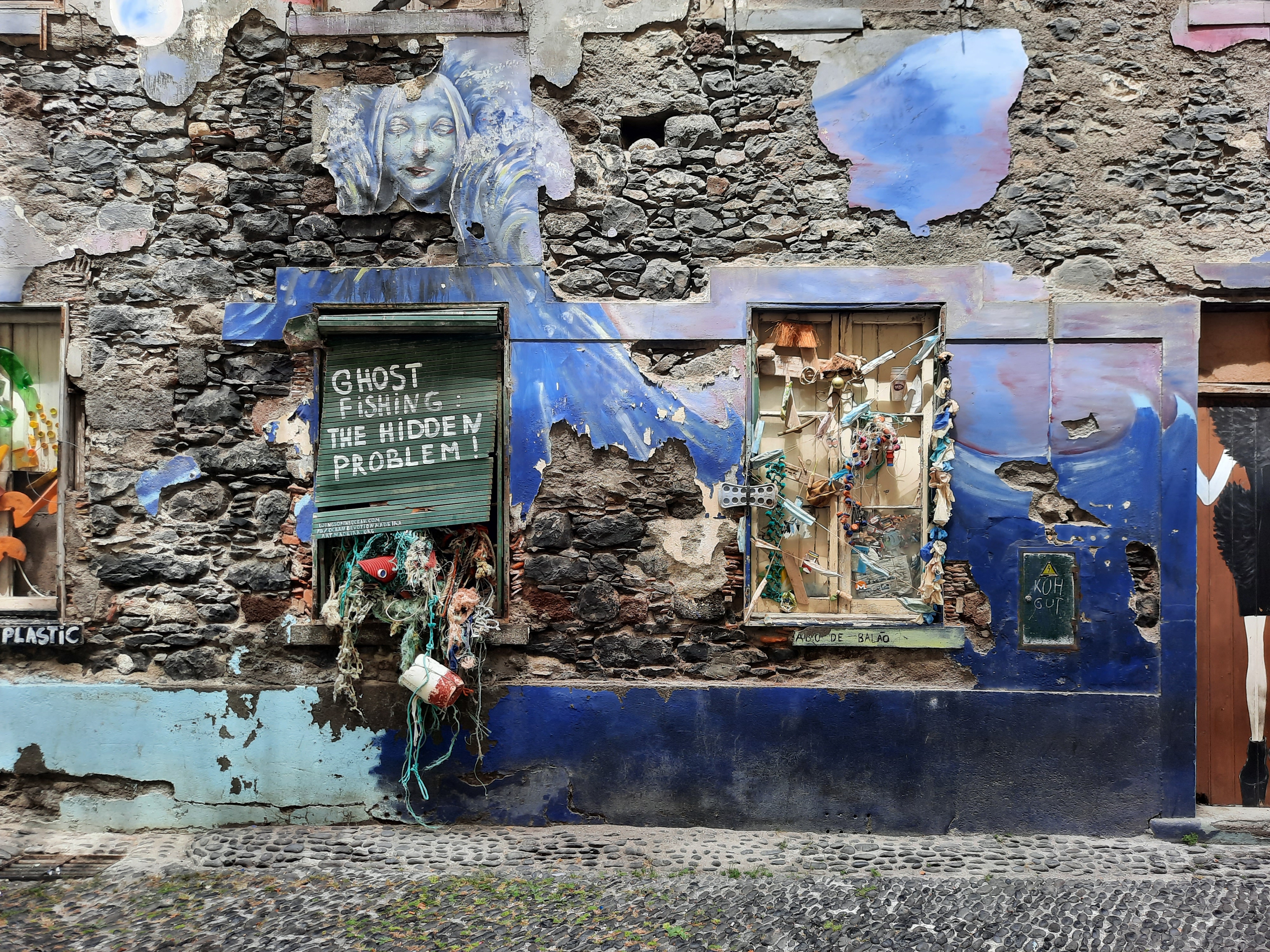
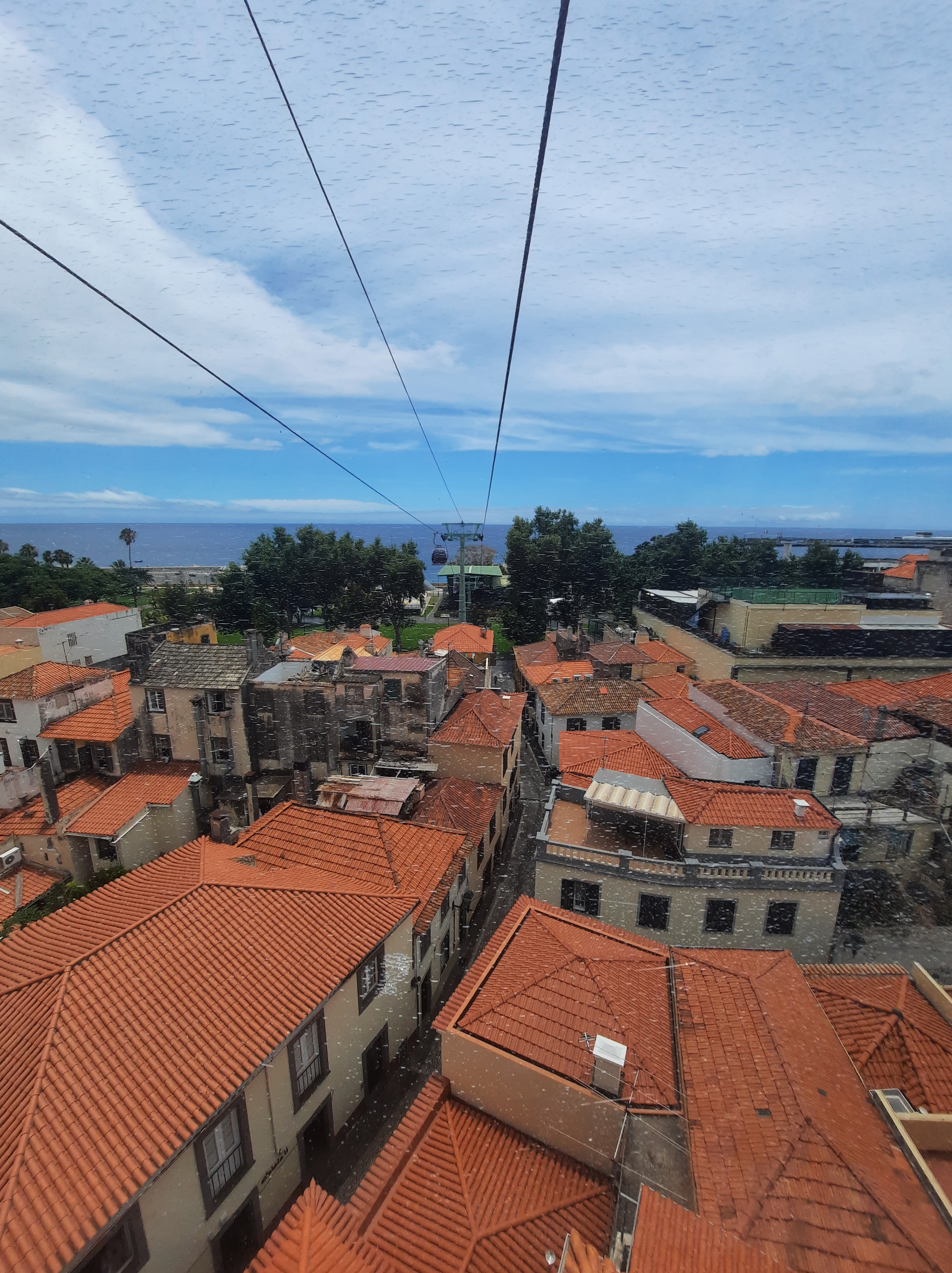
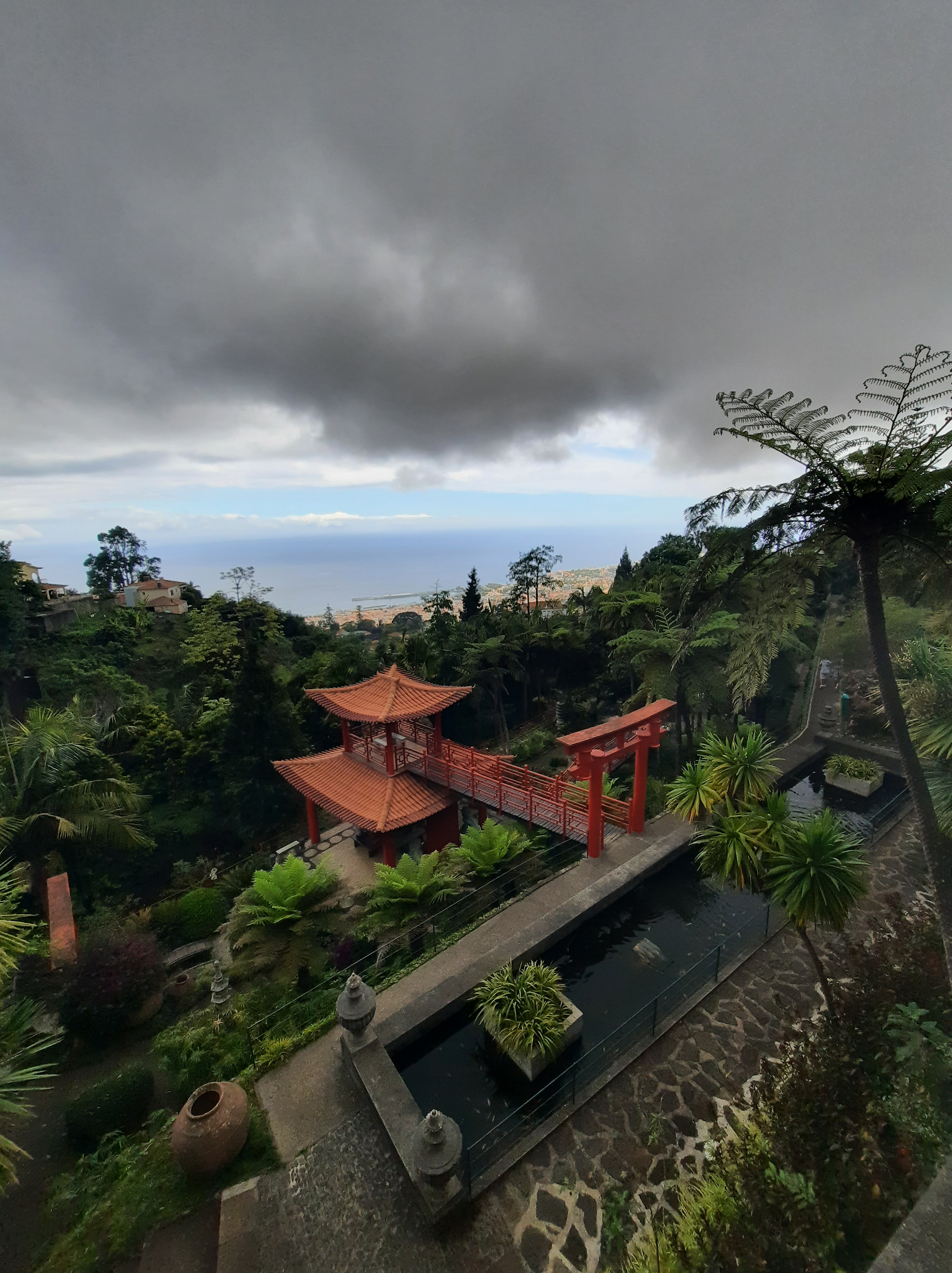
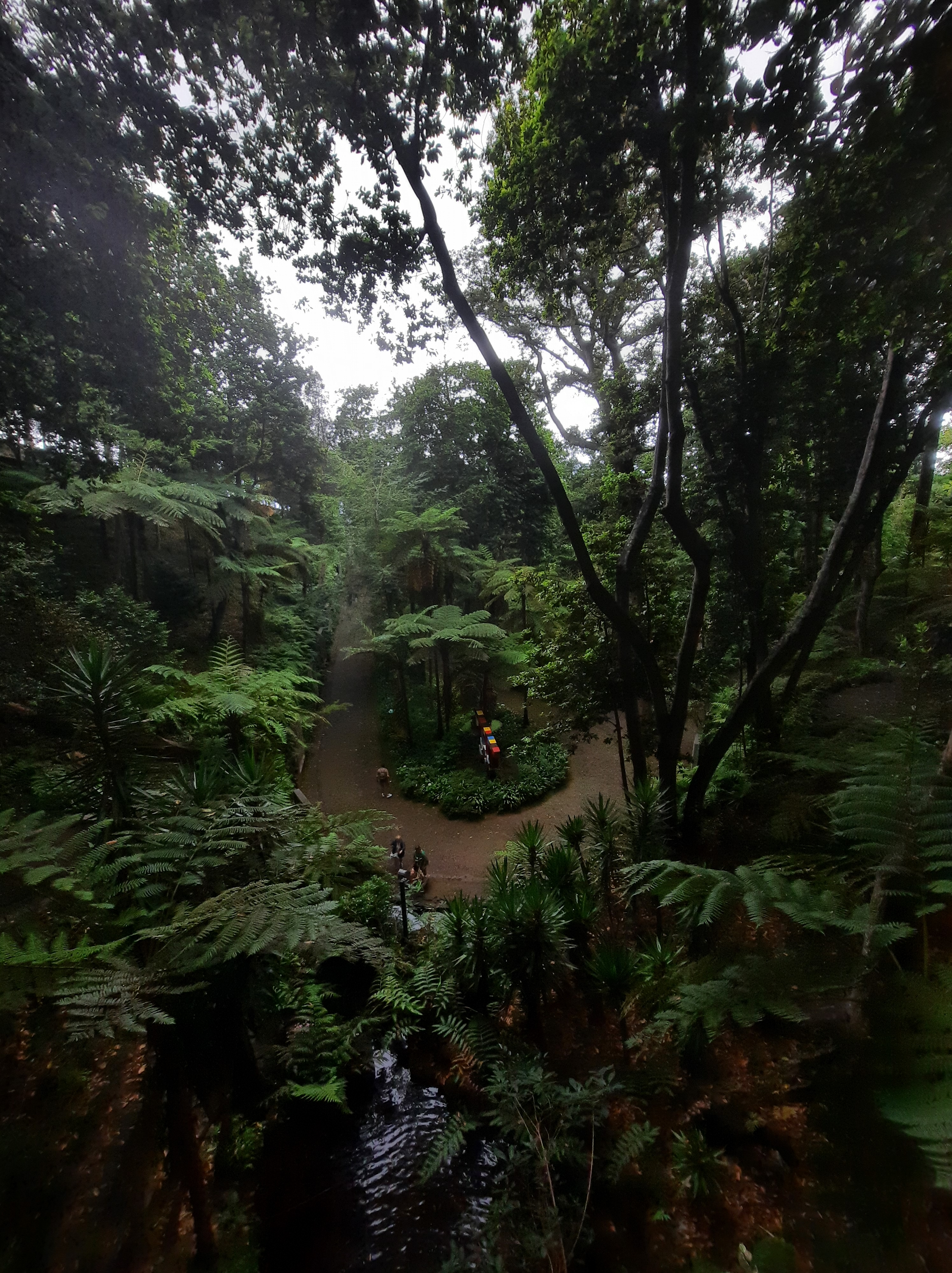
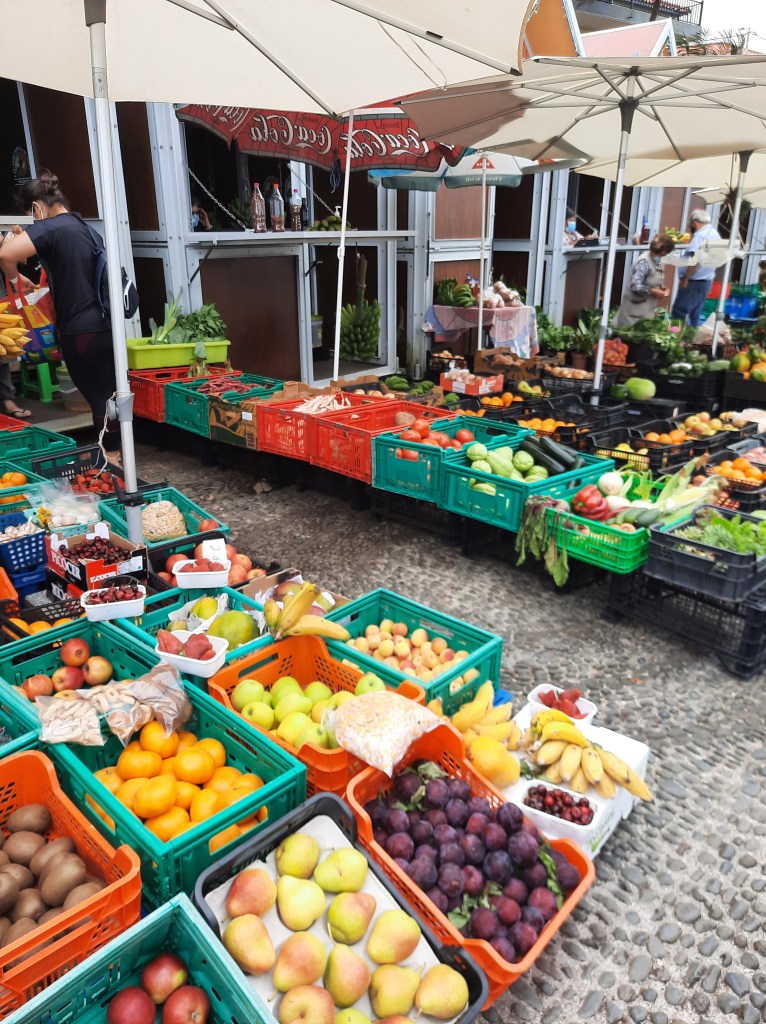
The highlights of Funchal for me were the farmer’s market Mercado dos Lavradores, Rua de Santa Maria (good for street art but we purposely decided not to eat there and find somewhere more tucked away), the cable car to the Monte Palace and the gardens of this Japan and Africa inspired blend which tells much of the story of Madeira and Portugal.
We walked back to the sea front from the top of the hill and witnessed some of the famous Carreiros do Monte sliding down the hill.
As much as we had hiked up and down for days on the island, that walk downhill definitely damaged my knees more. But I always love to see how cities transition from the outskirts into the centre. We walked past some beautiful houses with breathtaking views of the city. We saw how compensating the incline of the uneven terrain is part of the landscape and everything built is to balance it. We visited the Madeira Story Centre which is in a few words very interesting and either tacky or if you have a good sense of humour you will find it funnily immersive. The museum covers its history with its strategic value for Portugal as a shore in the Atlantic, the challenges of its topography, its history with slave trade and pirates, how it became a popular tourist destination and how that shifted the economy of the island. The history of Madeira is very rich with connections to Europe and Africa. I have linked more information on this below.
On our last night we headed to Largo do Corpo Santo for food and drinks. This street is filled with restaurants (definitely the most expensive of the whole trip), musicians playing between the tables of all the restaurants and catches the golden hour perfectly. We befriended the waitress whose music teacher was playing music with his wife in the street and once again we were glad we tried to engage with the language because ending on our last night having drinks with them would not have happened otherwise.
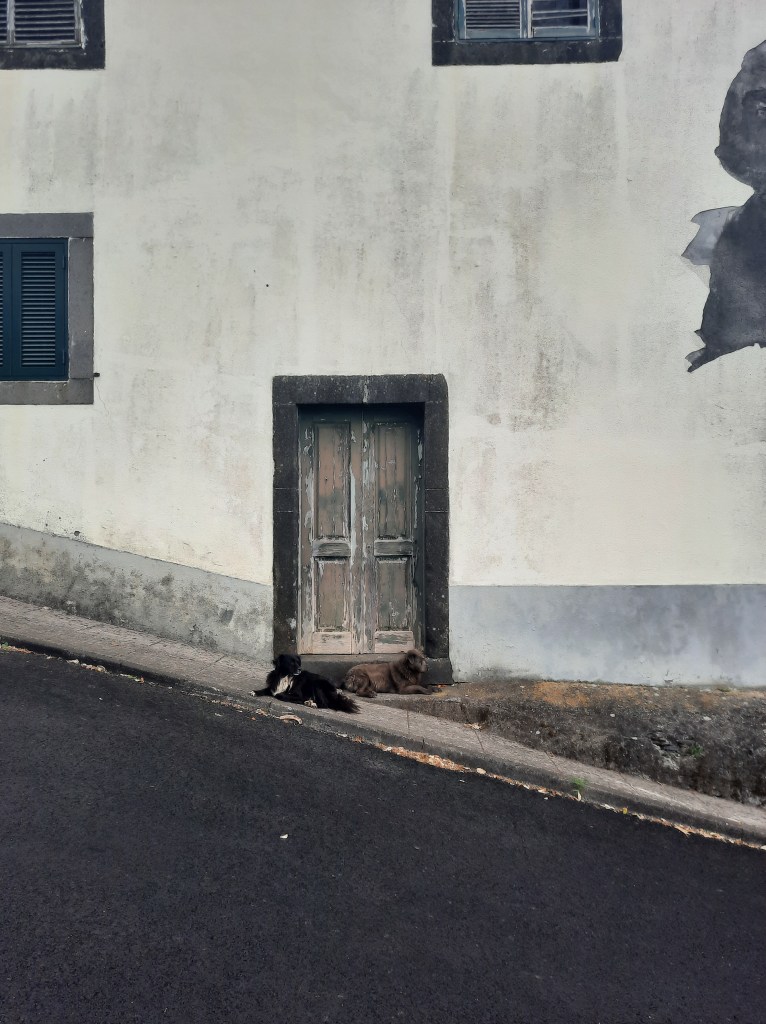
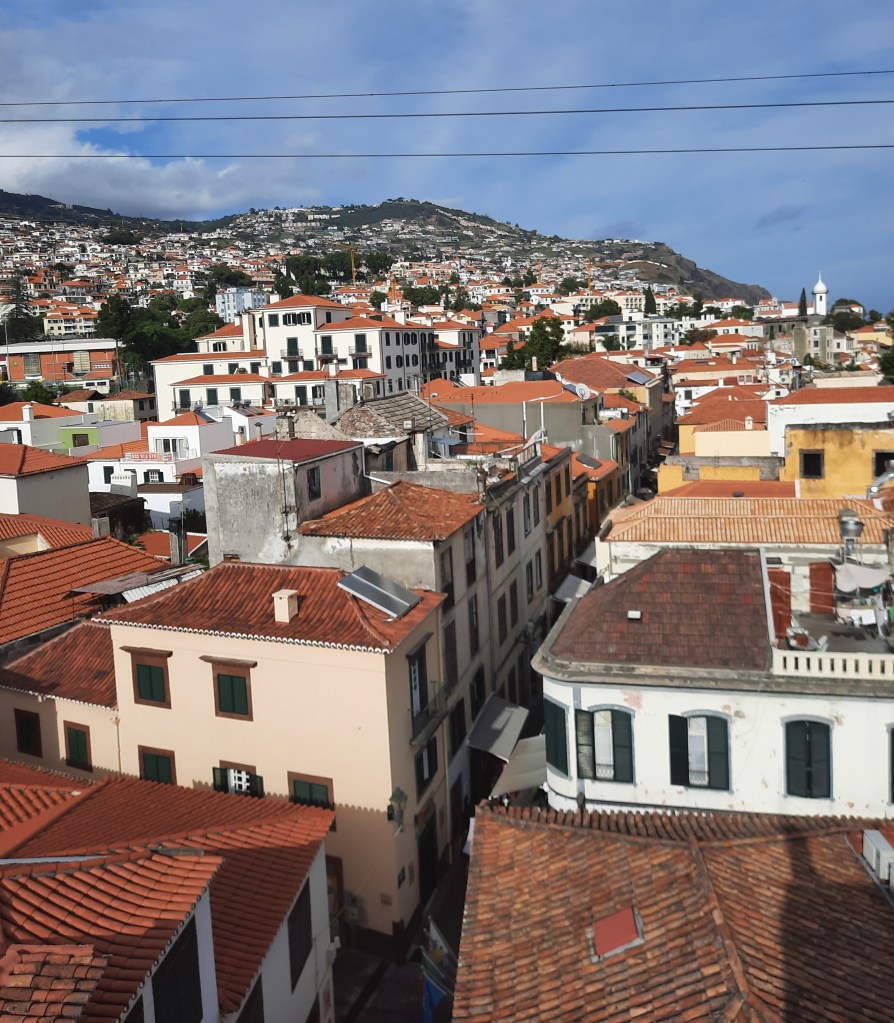
Madeira Story Center
DAY 9 – Day to fly back to the UK but before I stopped by the market to buy some of the beautiful fruit I knew I would not be able to find in England (not in full flavour at least).
General Information on Madeira
Food in Madeira, special mention to their house bread made with sweet potato and offered in every restaurant of the island.
What are Levadas? A lot of hikes are facilitated by Levadas, aqueducts designed to transport water from the foggy north to the drier south of the island.
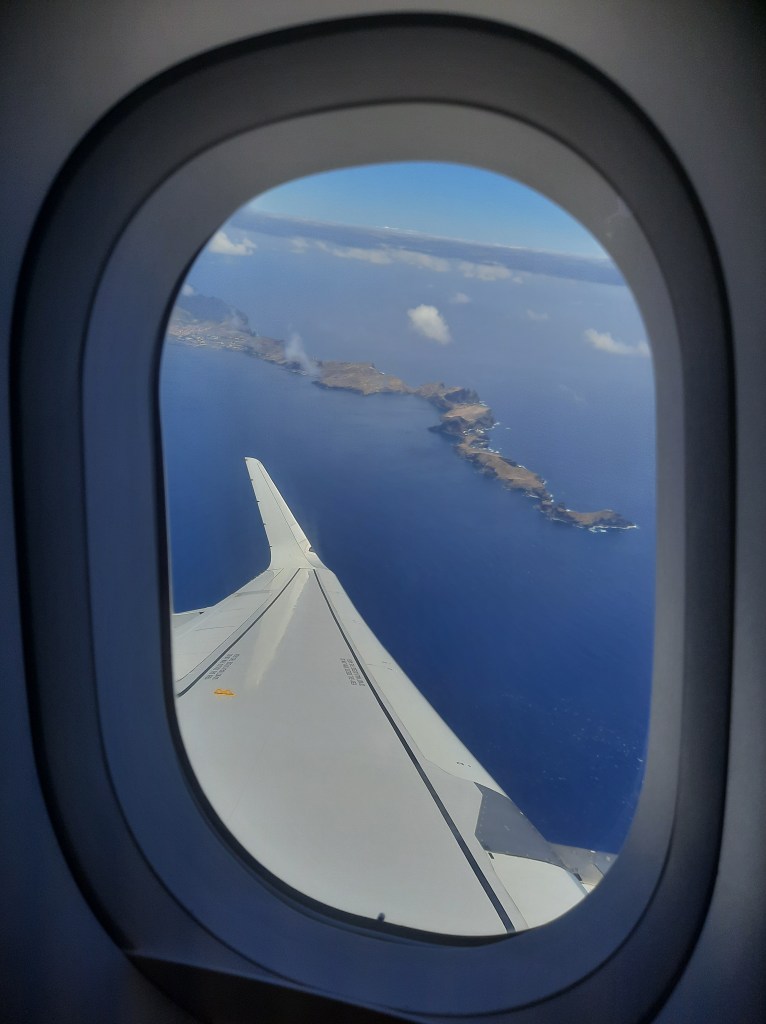
from the plane
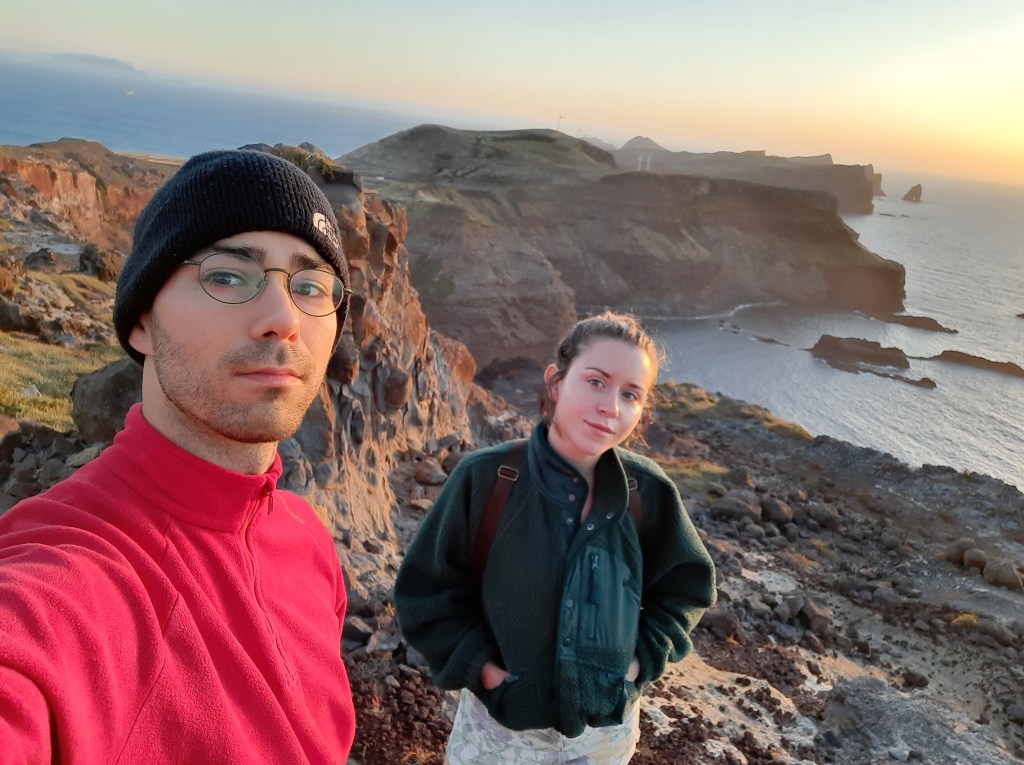

This trip was very special as it was the first time I had seen my cousin since before the pandemic.
Marcel and I grew up very close, we are only six months apart, went to the same school and lived in the same neighbourhood in Barcelona. Growing up we spent every weekend and holidays together in country house we shared between three families living like a big family of 10.
He flew from Barcelona and I from Devon. We had travelled together before and lived abroad together but after this trip we decided to turn this into an annual reunion.
 Purposeful Disorientation